
Ready To Grow Your Gym?
Ready To
Grow Your Gym?
We help gym owners grow and scale their gyms to make more money. Book a demo to find out how our Flywheel Attraction System can help you get more members and work less hours
Stop Trading Time for Money. Start Building an Asset.
WHERE
GYMS MEET PROFITABILITY
Welcome to Gym Academy. We specialize in transforming passionate gym owners into profitable CEOs. Many gym owners get stuck in the 'owner-operator' trap, working 60 hours a week just to pay the bills. We launched Gym Academy to change that. We deliver real, no-fluff strategies that move you out of the day-to-day grind and turn your facility into a scalable, high-profit asset.
Join the program that has helped hundreds of gym owners scale their business
Our method makes marketing and client acquisition accessible to any gym owner, even those who've failed with other programs!
Real results from real gym owners
A new era in gym marketing:
where AI meets client acquisition
Where Less Clients Means More Money
AI is amongst the most disruptive technologies of the last decade. Our proprietary AI marketing and sales system now helps you streamline your business in a way that's never been possible before…
From AI-powered lead nurturing to automated follow-ups, client acquisition & so much more.
500+ Gym Owners & Counting
We're in the business of helping gym owners get the most out of their business while working less.
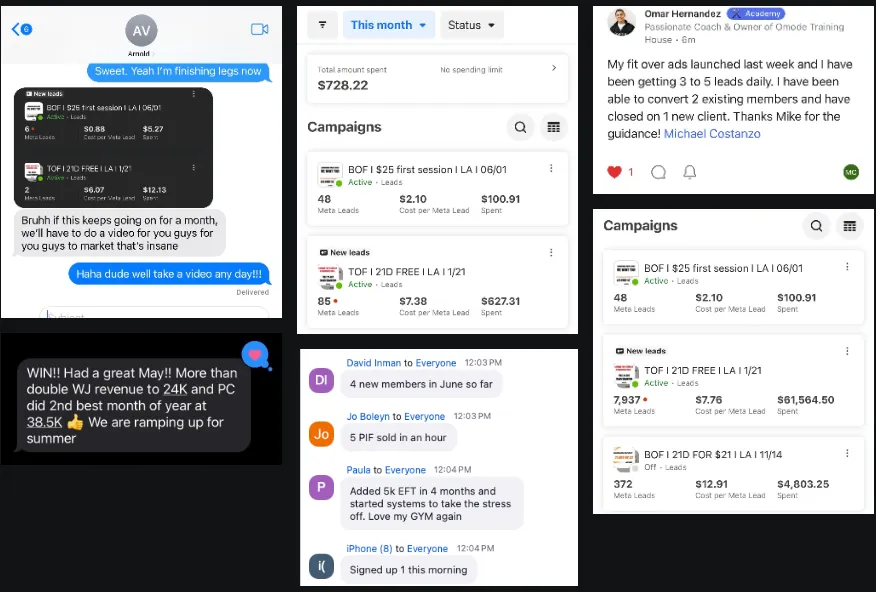
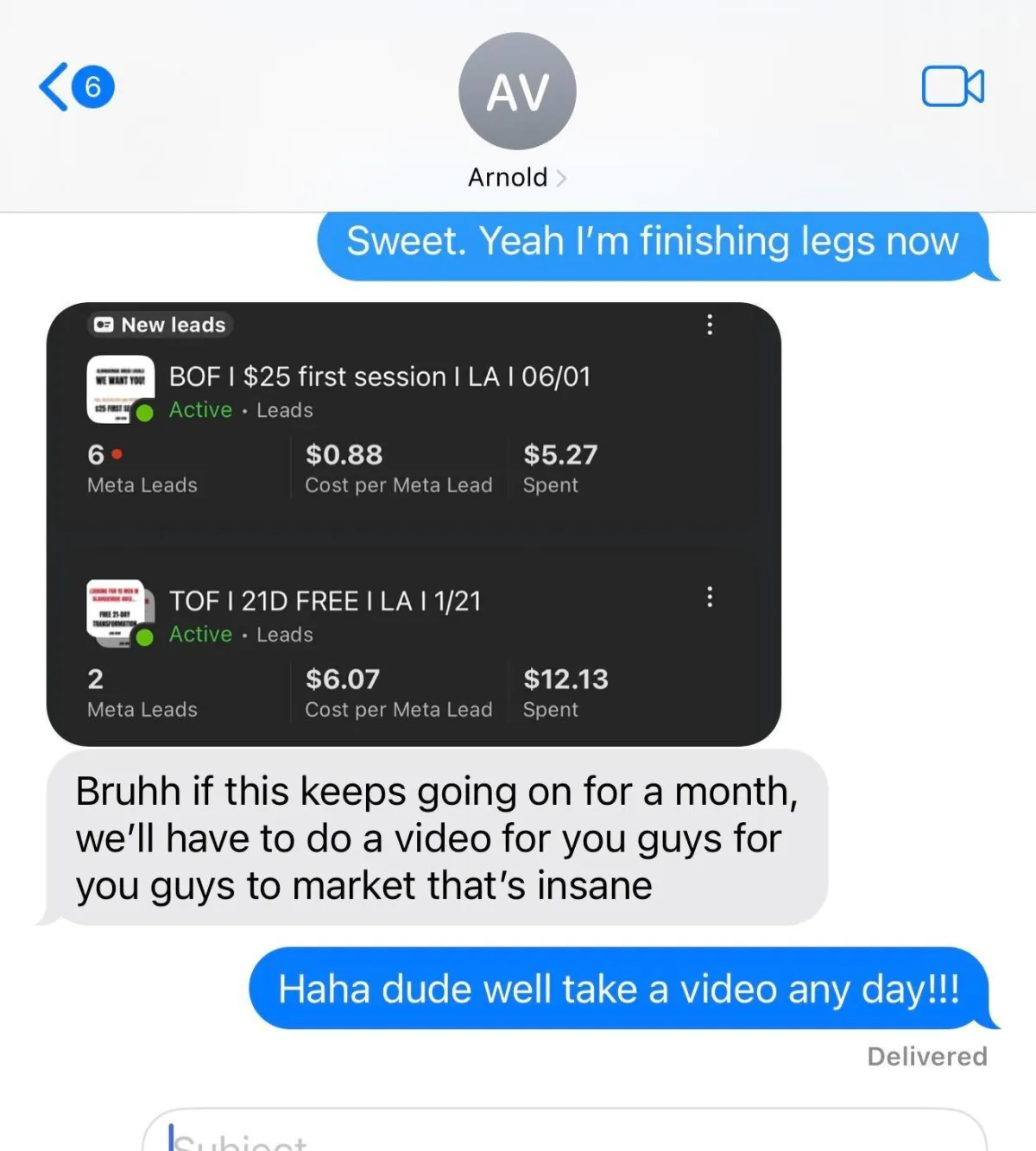
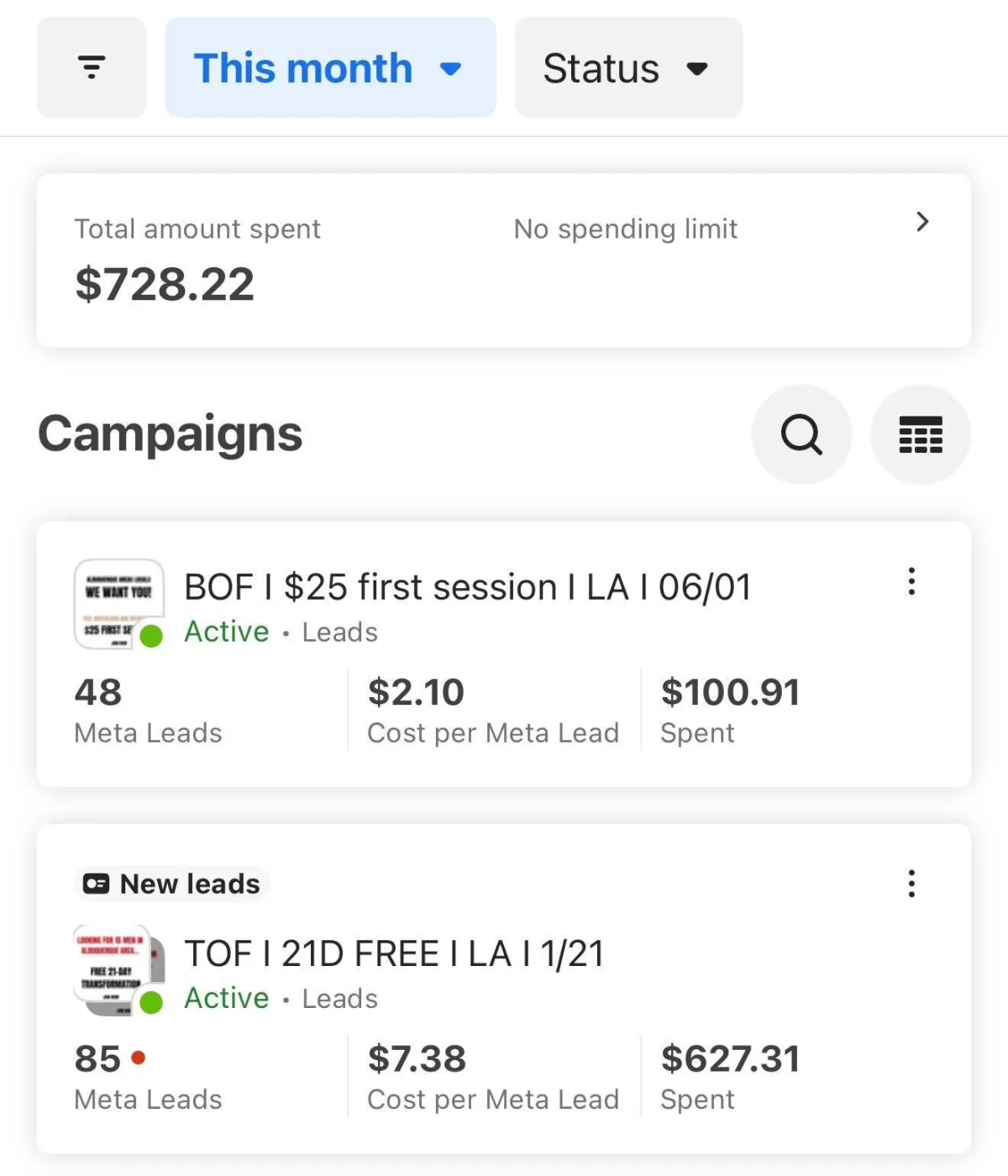
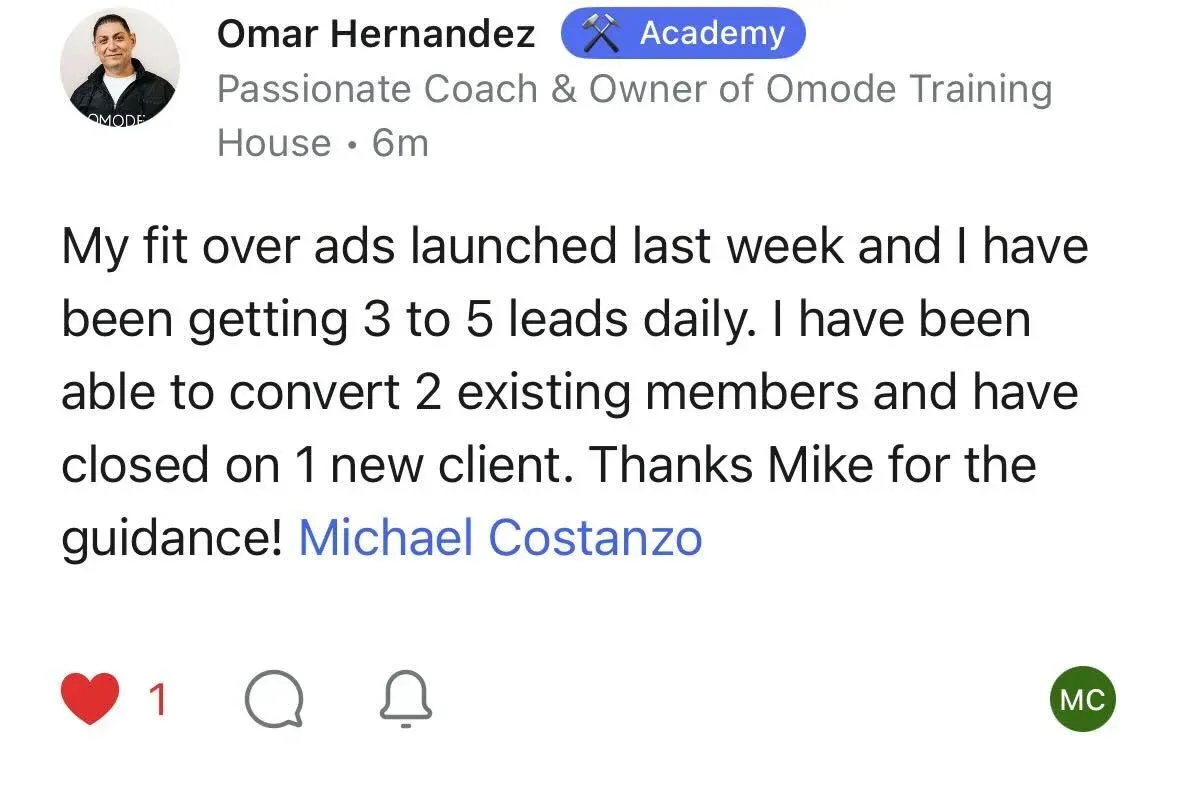
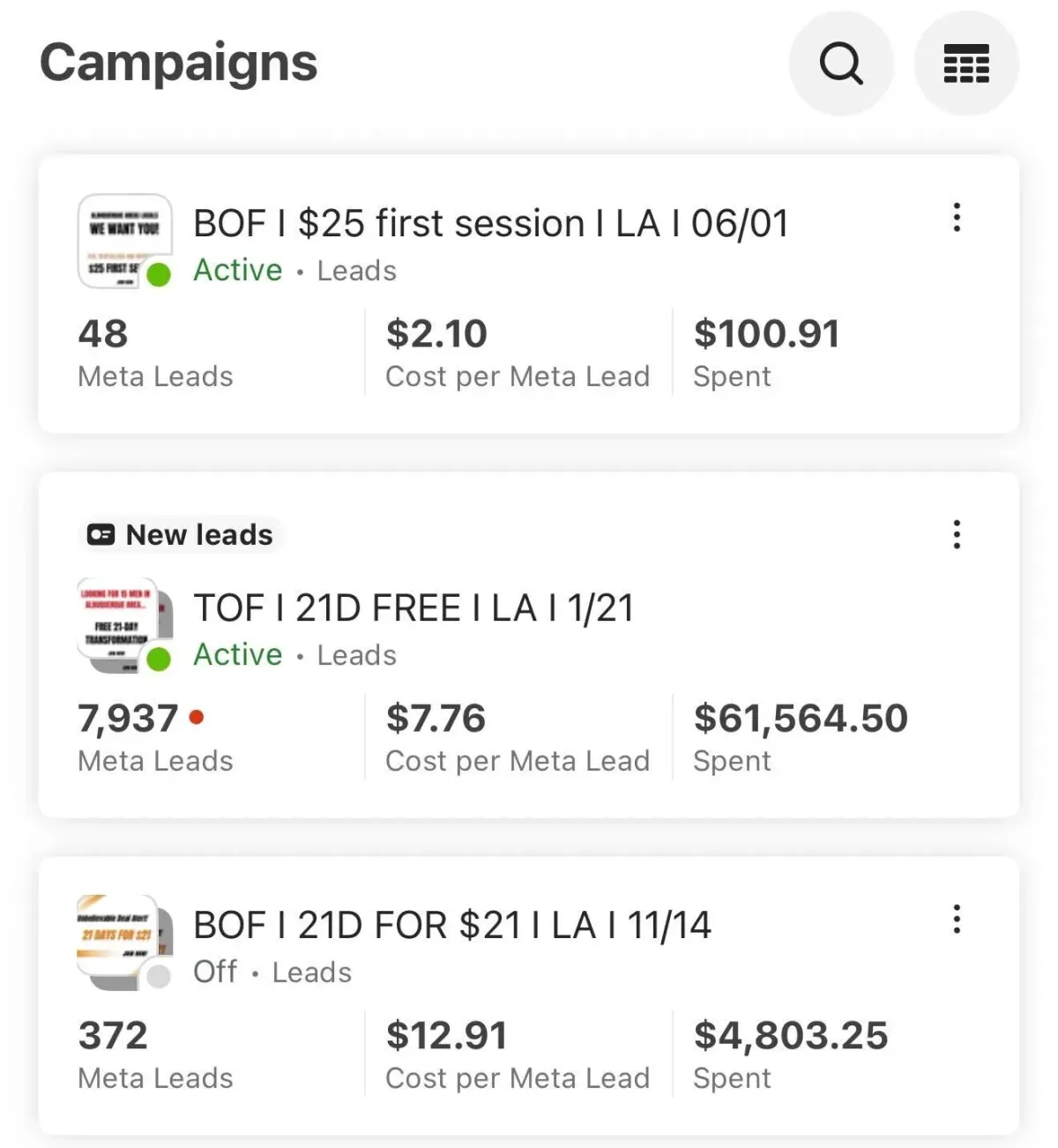
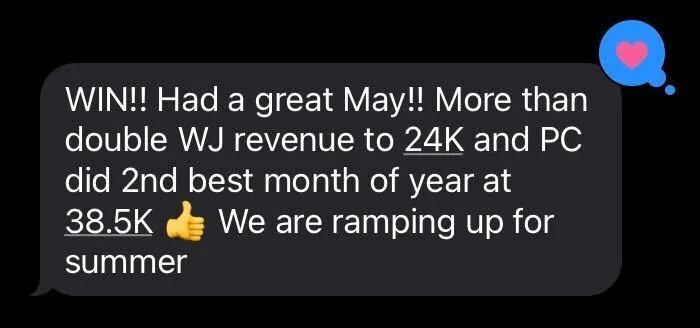
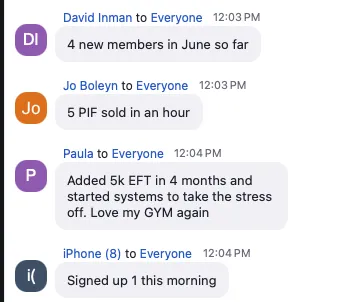
This is a collection of our top reviews from Google.
4.8/5 stars in 100+ reviews

Gym Academy has helped me get a grasp of my business and taught me to operate my personal training and gym in business like an actual business understanding numbers like my ad spend, where my revenue is coming from, where I need to focus my efforts to grow my business, How to assemble a team and manage a team. A lot of stuff I really had no idea about With their help, I’ve taken my gym from 6000 recurring to 21,000 monthly recurring in nine months
I’ve worked in retail, functional medicine, and now as the GM of Temple Fitness since December 2024. I can honestly say working with Gym Academy has completely transformed my approach to leadership and growth. The quality of training and systems they provide is unmatched. Ryan’s sales training compressed years of growth into just months, while Mike helped me bring my onboarding and team-building experience into the gym world. Josh and Bob are down-to-earth, hands-on leaders who empower you to be the best version of yourself and build systems that drive success. I’ve been in the fitness world my whole life but hesitated to make it a career due to industry challenges. Gym Academy has made it possible to thrive—if you’re serious about growing your gym and changing lives, this is where you should invest.
I am thoroughly enjoying the process of growing my gym. The gym academy team is awesome. Everyone that I have worked with has been understanding and caring about the issues with my business while having a solution to solve those problems. I have already made back my investment plus some in a little over 30 days. They teach you how to operate your business properly while increasing income long term. Highly recommend!
They are great if you have a traditional gym. If you are any type of specialty studio there cookie cutter methods do not work well. Be prepared to shell out 10k in your first 30 days. Wouldn’t recommend.
Joining Gym Academy has been a total game-changer for my fitness studio! Six months ago, I was struggling—keeping my doors open was costing me money, and despite trying multiple marketing companies, I wasn’t seeing real growth. What I quickly realized after joining Gym Academy is that running a successful studio is so much more than just good ads. With Bob and the team’s constant guidance (shout out to my CSM, Ryan), I’ve learned how to have effective conversations that actually convert leads into long-term members while keeping attrition low. Mindset is EVERYTHING too. Beyond that, my entire operational structure has been optimized—I’ve eliminated inefficiencies, cut waste, and now run my studio in a way that’s profitable and scalable. The daily Sales and Marketing calls provide invaluable insights, and the community of studio owners supporting each other makes all the difference. If I ever have a challenge, I know I can ask for help, and immediate, actionable advice is always there. I’m no longer alone on an island, trying to figure things out. No more sleepless nights worried if I'm going to make rent or payroll. Joining Gym Academy has been the single most important strategic move I’ve made since opening my doors. If you're a studio owner struggling to grow, don’t wait—this is the place you need to be! 💪🔥 #GameChanger #GymAcademy #StudioSuccess
Gym Academy has been the best experience. As a result I feel in complete control of my business, I have a clear and doable program seriously accelerating the growth of my studio! Ryan Simpson Shares genuine excitement with my wins. It’s been exciting and inspiring and brought new hope and life back into my relationship with my business!
Before joining Gym Academy I was in a desperate spot. I had a great product a beautiful gym and NOT ENOUGH CLIENTS to survive! However, since joining Gym Academy last year my yearly sales DOUBLED. This is a no joke program... no secret sauce, no hidden magic formula, just tried and true sales and marketing training that will get you a reliable stream of clients so you can finally have the gym of your dreams!

"LITERALLY SAVED MY GYM AND MY SANITY"
. Felicia B.
Gym Academy's Blog
Facebook Ads for Gyms: The 2026 Strategy That Actually Works
Facebook Ads for Gyms: The 2026 Strategy That Actually Works
Facebook ads for gyms work when they target local audiences with specific transformation offers, use real member results in creative, and drive to landing pages with clear program information. Most gym owners waste ad budgets by promoting discounts that attract price shoppers, targeting too broadly, or using generic fitness stock photos instead of authentic member transformations. The strategy that works in 2026 focuses on building local authority through content-focused ads combined with direct response campaigns that promote high-value transformation programs.
Expect to spend $20-50 per lead in most markets with conversion rates of 25-35% from consultation to member when ads target properly. This means acquiring each new member costs $60-200 depending on your consultation conversion rate and ad performance. Gyms using the Local Authority Ad Strategy from Gym Academy combine awareness-building content ads with conversion-focused offer ads to create sustainable acquisition systems that generate 15-30 leads monthly per $1,000 in ad spend.
Why Most Gym Facebook Ads Fail (The Discount Trap)
Most gym Facebook ads follow a predictable pattern: offer a heavily discounted trial, use generic stock photos or facility shots, target broad audiences, and wonder why leads don't convert or cancel quickly after joining. This approach fails for specific reasons that compound into poor ROI.
The discount trap:
"$19 for your first month" or "Free week trial" ads attract price shoppers actively looking for the cheapest option. These leads respond to discounts, not your gym's value. They'll cancel when the trial ends or when another gym offers a better deal.
Discount marketing trains your market to wait for deals instead of joining at full price. Once you establish yourself as the gym that discounts, prospects learn to wait. "I'll check back next month when they run another promotion."
Price shoppers rarely refer friends. Someone who joined because you were cheapest isn't committed enough to recommend you. They don't love your gym. They love the deal. Your best acquisition channel (referrals) stays dormant because discount members don't evangelize.
Even worse, discount offers make premium pricing impossible later. If someone joined at $19 for the first month then $99 ongoing, how do you later sell them $349 semi-private training? You've anchored them to budget pricing. Moving them up is nearly impossible.
The generic creative problem:
Stock photos of attractive fitness models don't stop the scroll. They blend into the thousands of other fitness ads using identical imagery. Prospects scroll past because nothing differentiates you.
Facility photos highlighting equipment or amenities focus on features instead of outcomes. "Look at our clean facility" doesn't answer the question prospects care about: "Will this gym help me achieve my goals?"
Generic creative attracts generic responses. When your ads look like everyone else's, you get lumped in with everyone else. Price becomes the only differentiator because nothing else stands out.
The targeting mistakes:
Broad targeting like "people interested in fitness" within 25 miles generates high volume but low quality. You're advertising to people who follow fitness influencers on Instagram but have no intention of joining a gym. They just like looking at fitness content.
Demographic-only targeting ("women 25-45 in my area") misses behavioral and interest signals that indicate readiness. Someone fitting your demographic might have zero interest in gym membership right now.
No exclusions waste budget on people who already know about you. Why spend money advertising to current members or people who already inquired but didn't join? Exclude these audiences.
The landing page disconnect:
Ads promise one thing, landing pages deliver another. Ad says "12-week transformation program," landing page shows generic gym membership options. This disconnect confuses prospects and kills conversion.
Landing pages without clear calls to action make prospects hunt for next steps. They clicked your ad but now what? Book consultation? Fill out form? Come visit? Unclear paths create drop-off.
Mobile-unfriendly pages destroy conversion. Most ad traffic comes from mobile devices. If your landing page loads slowly or displays poorly on phones, you're wasting 60-70% of your ad spend.
The follow-up failure:
Leads come in but don't get contacted quickly. Someone fills out your form at 2pm. You respond at 9am the next day. They've already contacted three other gyms and scheduled consultations. Speed matters enormously in lead conversion.
Inconsistent follow-up abandons leads after 2-3 attempts. Most leads need 5-12 touchpoints before converting. Manual follow-up can't maintain this consistency at scale, so leads disappear into the void.
Why these approaches fail financially:
Discount ads might generate 50 leads monthly at $30 per lead. Feels successful initially. But when only 15% convert and average member stays 6 months, your customer acquisition cost relative to lifetime value is terrible. You're spending $200 to acquire members worth $900, leaving minimal margin.
Compare to premium offer ads that generate 25 leads monthly at $40 per lead. Higher lead cost seems worse. But when 40% convert and average member stays 18 months at higher prices, you're spending $100 to acquire members worth $3,600. Much healthier unit economics.
The discount trap creates volume metrics that look good (50 leads!) but economics that don't work. Focus on quality over quantity.
The Local Authority Ad Strategy vs. Direct Response
Two different ad strategies serve different purposes. Local Authority ads build awareness and position you as the expert. Direct Response ads drive immediate lead generation and consultations. Smart gyms use both in combination.
Local Authority Ad Strategy:
Local Authority ads focus on providing value through content rather than asking for immediate sale. These ads educate, demonstrate expertise, and build trust over time. Think of them as top-of-funnel awareness that creates familiarity.
Content that works for authority ads:
Educational posts about common fitness questions ("The real reason most people fail at weight loss")
Member transformation stories with specific results ("How Sarah lost 35 pounds in 16 weeks")
Exercise tutorials demonstrating proper technique
Nutrition tips that solve real problems
Gym culture content showing your community in action
These ads typically don't ask for anything except engagement (read, watch, share). You're investing in building recognition and trust. Over time, people who see this content repeatedly begin thinking of you as the local fitness expert.
Objectives and optimization:
Campaign objective: Awareness or Engagement
Optimization: Reach or Video Views for content
No direct call to action beyond "follow for more tips"
Budget allocation: 20-30% of total ad spend
Expected performance:
Cost per 1,000 impressions: $5-15
Reach: 3,000-10,000 local people monthly per $300-500 spend
Direct leads: Minimal (not the goal)
Long-term impact: Brand recognition, organic search traffic, eventual direct inquiries
Authority ads create the environment where direct response ads work better. When someone sees your transformation program offer after seeing your content 3-5 times, they're more likely to respond because you're familiar and credible.
Direct Response Ad Strategy:
Direct Response ads focus on immediate action: book consultation, claim spot in program, schedule tour. These are bottom-of-funnel conversion ads designed to generate leads now.
Offers that work for direct response:
Specific transformation programs with timelines ("12-Week Fat Loss: Lose 20 Pounds")
High-value consultations ("Free Goal-Setting Session")
Program launches with limited spots ("Summer Challenge starts June 1st - 12 spots available")
First-time visitor offers that aren't heavily discounted ("First month at $99 instead of regular $179")
These ads clearly state what you're offering and what action to take. The call to action is explicit and urgent.
Objectives and optimization:
Campaign objective: Conversions or Leads
Optimization: Landing page views or lead form submissions
Strong call to action ("Book your consultation," "Claim your spot")
Budget allocation: 70-80% of total ad spend
Expected performance:
Cost per lead: $20-50 depending on market
Leads per $1,000 spend: 20-50 leads
Consultation conversion: 40-60% for qualified leads
Member conversion: 25-35% of consultations
Direct response ads generate the leads that become revenue. These are your acquisition workhorse.
Using both strategies together:
Month 1-2: Focus primarily on direct response to generate immediate leads and validate your offers. Allocate 90% of budget here until you know what works.
Month 3-4: Add local authority ads at 20-30% of budget once direct response is optimized. Build awareness while continuing lead generation.
Month 5-6: Run both simultaneously with 70-80% on direct response and 20-30% on authority. Track how authority ads impact direct response performance over time.
Month 7+: Maintain balance. Authority ads make direct response more effective by pre-selling prospects. You'll notice direct response conversion improving as local recognition builds.
When to use which strategy:
Use Authority ads when:
You're in a crowded market and need differentiation
You're repositioning from budget to premium
You have great content showcasing member results
You want to build long-term brand value
Use Direct Response ads when:
You need leads immediately
You have validated offers that convert well
You're scaling proven acquisition systems
You want measurable ROI quickly
Most gyms should use both, weighted toward direct response. Authority builds the foundation that makes direct response more effective.
Understanding how these ad strategies connect to your complete acquisition system is important. Our guide on gym lead generation explains how Facebook ads fit into multi-channel approaches.
Creating Offers That Work in Paid Traffic
The offer you promote in ads determines lead quality more than targeting or creative. Great ads promoting weak offers generate low-quality leads who don't convert. Average ads promoting strong offers generate qualified leads who join.
What makes an offer work in paid traffic:
Specific outcome that's meaningful to your target audience. "Lose 20 pounds" resonates with people trying to lose weight. "Get fit" is too vague to motivate clicking.
Clear timeline that creates urgency. "12 weeks" feels achievable and creates natural urgency. "Join anytime" removes urgency and lets prospects procrastinate.
Defined value stack showing everything included. "Training 3x/week + Nutrition Plan + Accountability + Progress Tracking" demonstrates comprehensive support. "Gym membership" is vague and low-value perception.
Social proof from real members with similar goals. Before/after photos, testimonials, specific results achieved. Proof reduces risk and increases belief.
Clear entry point that matches where prospects are. Some want intensive programs. Others want to start smaller. Your offer should match their readiness level.
The three-tier offer structure for paid traffic:
Tier 1: Entry Consultation (Free or Low-Cost) Purpose: Lowest-barrier entry for prospects who aren't ready to commit to programs yet Offer: "Free Goal-Setting Session: Discover exactly what it will take to achieve your fitness goals" Pros: Highest response volume, good for building consultation pipeline Cons: Lower commitment level, requires strong sales process to convert
Example ad copy: "Not sure where to start with fitness? Book a free goal-setting session and we'll create a personalized roadmap for your goals. No pressure, just honest guidance."
Tier 2: Transformation Challenge (Mid-Ticket $297-997) Purpose: Main conversion offer for prospects ready for commitment but not premium pricing Offer: "6-Week Summer Shred: Lose 12-15 Pounds Before Beach Season" Pros: Clear outcome and timeline, moderate commitment level, high conversion Cons: Requires delivering real results quickly, needs program infrastructure
Example ad copy: "Want to look amazing by summer? Our 6-Week Summer Shred includes training 3x/week, custom nutrition, and daily accountability. Spots are limited - only 12 available for the May 1st start."
Tier 3: Premium Programs ($997-2,497+) Purpose: Attract serious prospects who value guaranteed results over low prices Offer: "12-Week Total Transformation: Lose 25+ Pounds with Our Proven System" Pros: High-quality leads, premium pricing, committed members Cons: Lower volume, requires strong proof and positioning
Example ad copy: "Ready to completely transform your body? Our 12-Week Total Transformation includes 36 personal training sessions, comprehensive nutrition plan, weekly coaching calls, and a money-back guarantee. Investment: $1,997."
Choosing your offer based on goals:
If you need volume and have strong sales process: Use Tier 1 consultation offers. Generate 30-50 leads monthly, convert 30-40% through consultations.
If you want balance of volume and quality: Use Tier 2 transformation challenges. Generate 15-25 leads monthly, convert 35-45% because commitment level is higher.
If you want premium positioning and members: Use Tier 3 premium programs. Generate 8-15 leads monthly, convert 40-50% because only serious prospects inquire.
Most gyms should test all three to see what works in their market. Some markets respond better to low-barrier entry. Others respond to premium positioning.
Offers that fail in paid traffic:
Generic membership promotions: "$150/month for unlimited access" doesn't differentiate you or create urgency.
Heavy discounts: "$19 first month" attracts price shoppers who cancel quickly.
Vague promises: "Transform your life" without specific outcomes or timelines.
Feature-focused offers: "Access to our equipment and classes" focuses on what you have, not what prospects get.
Open-ended commitments: "Join today and train forever" removes urgency and feels overwhelming.
Testing your offers:
Start with one offer per audience segment. Don't run 5 different offers simultaneously when starting. You won't know what's working.
Run for at least 14 days before judging. Facebook needs 50-100 conversions to optimize properly. Early performance isn't predictive.
Track cost per lead AND consultation conversion. An offer generating 40 leads at $25 but converting 15% is worse than an offer generating 20 leads at $35 but converting 40%.
Test new offers when current offers plateau. If lead costs spike or volume drops, your market may be saturated with your current offer. Introduce new angles.
Ad Creative That Stops the Scroll (Examples and Templates)
Ad creative is the image or video people see when scrolling. Great creative stops the scroll and earns attention in the first 1-2 seconds. Poor creative gets ignored no matter how good your targeting or offer.
What works in gym ad creative:
Real member transformations with visible results. Before/after photos showing actual member achievements outperform everything else by 3-5x. The transformation must be real, dramatic, and relatable.
Requirements:
Written permission from member to use images
Photos taken in similar lighting and angles
Time period mentioned ("12 weeks," "6 months")
Results specific ("Lost 30 pounds," "Gained 15 pounds of muscle")
Member looks happy and proud in after photo
Example: Before photo shows member at higher body weight, after photo shows visible fat loss and muscle definition. Caption: "Sarah lost 35 pounds in 16 weeks with our transformation program. Ready to get similar results?"
Action shots of real training sessions. Photos capturing the energy and intensity of actual workouts at your gym. Not posed. Not stock. Real moments with real members.
What works:
Coach providing hands-on instruction
Members supporting each other during tough exercises
Visible effort and intensity on faces
Community atmosphere evident
Mix of fitness levels represented
What doesn't work:
Staged photos that look fake
Everyone perfectly positioned facing camera
Too polished and professional
Can't see actual gym or recognize as real place
Video testimonials from real members. 15-30 second clips of members explaining what they achieved and why they chose your gym. Authentic testimonials convert better than professional productions.
Format:
Member speaks directly to camera
Mentions specific result achieved
Explains what was different about your gym
Recorded on phones (authentic feel beats production quality)
Subtitles essential (most watch with sound off)
Example script: "I lost 40 pounds in 6 months at [Gym Name]. What made the difference was the nutrition coaching and accountability. I'd tried other gyms but never had that support. If you're serious about results, this is where you need to be."
Transformation comparison videos. Side-by-side before/after clips showing member progress over time. These perform exceptionally well because the visual change is undeniable.
Format:
Split screen or before/after transitions
Same exercise demonstrated at start and end of program
Visible strength or body composition changes
Text overlay explaining timeline and program
15-20 seconds total
Creative formats ranked by performance:
Member transformation photos (best performing)
Video testimonials from real members
Transformation comparison videos
Action shots of real training
Coach explaining program benefits
Facility tours or equipment highlights (weakest)
Use top performers for direct response campaigns. Save lower performers for authority building if you use them at all.
Creative testing strategy:
Start with 3-4 different creative variations using same offer. One member transformation, one action shot, one video testimonial. Let Facebook optimize toward best performer.
Run for 7-10 days before declaring winners. Early performance can be misleading. Give algorithm time to optimize.
Retire underperformers after 14 days. If one creative consistently costs 50%+ more per lead, turn it off and test new options.
Refresh creative every 30-45 days even if performing well. Creative fatigue is real. After seeing the same ad 3-5 times, people stop engaging. Introduce new transformations, different angles, fresh members.
Creative mistakes that kill performance:
Using stock photos or models. These blend into thousands of identical ads. Prospects can tell when photos aren't real members from your gym.
Hiding member results or being vague about outcomes. If you helped someone achieve great results, show it. Vague claims create skepticism.
Too much text in images. Facebook penalizes ads with 20%+ text coverage in images. Keep text minimal or use text overlay during video rather than burned into image.
Poor mobile optimization. Most views happen on mobile. If your creative is text-heavy or requires zooming to see details, it fails.
Inconsistent branding across ads. Each ad should clearly be from your gym through logo, colors, or style. Random creative with no consistency builds nothing long-term.
Audience Targeting for Gym Owners in 2026
Facebook's targeting has changed significantly due to privacy updates and iOS changes. The targeting tactics from 2018-2020 don't work the same way. Here's what works now.
The new targeting reality:
Detailed targeting has reduced effectiveness due to privacy changes. You can't micro-target as precisely as before. Facebook's algorithm now relies more on machine learning than explicit interest targeting.
This shift favors broader targeting with strong creative and offers. Rather than targeting "people interested in CrossFit who follow specific pages," you target "fitness interested people in my area" and let the algorithm find the right prospects through conversion patterns.
Advantage+ campaigns give Facebook more control over targeting decisions. The platform optimizes based on who converts rather than who you think should convert. This often outperforms manual targeting.
Core targeting structure:
Start with geographic targeting (required)
10-15 mile radius for suburban/rural gyms
5-10 mile radius for urban gyms
Include only areas you actually serve
Exclude locations too far for members to realistically travel
Add age and gender if relevant
Only if your gym specifically serves one demographic
Example: Women-only studio targets women 25-55
Most gyms should target all genders 25-60 to maximize reach
Add broad fitness interests
"Fitness and wellness"
"Physical fitness"
"Healthy lifestyle"
Don't go narrower than these broad categories
Let Facebook optimize from there. The algorithm will learn who converts and find more people like them.
Advanced targeting tactics that still work:
Lookalike audiences based on customer list
Upload list of current members
Create 1-3% lookalike audience
Facebook finds people similar to your best customers
This usually outperforms interest targeting
Website custom audiences
Target people who visited your website but didn't convert
Create audiences based on specific page visits (pricing page, program pages)
Retarget these warm audiences with stronger offers
Engagement audiences
People who engaged with your Facebook/Instagram content
People who watched 50%+ of your videos
People who visited your Instagram profile These audiences are warmer than cold targeting
Exclusion targeting (critical):
Always exclude current members
Upload member list to custom audience
Exclude this audience from all campaigns
Don't waste money advertising to people already paying you
Exclude recent leads
Create custom audience of people who submitted forms in last 90 days
Exclude from lead generation campaigns
Why pay for the same lead twice?
Consider excluding past non-converters
People who inquired 6+ months ago but didn't join
These prospects may not be good fits
Test including vs excluding to see if they convert on different offers
Testing new audiences:
Launch with broad targeting first
Geographic + basic demographics + broad fitness interest
Let run for 14 days to establish baseline
Note cost per lead and lead quality
Test lookalike audiences
Create 1% lookalike from customer list
Run against broad targeting
Compare cost per lead and conversion rates
Test exclusions
Try excluding vs including people under 25 or over 60
Some demographics convert poorly for some gyms
Data shows you who to focus on
Refine based on data, not assumptions. Your assumptions about who your ideal member is might be wrong. Let actual conversion data guide targeting decisions.
Budget allocation across audiences:
Cold audiences (new prospects): 60-70% of budget Retargeting (website visitors, video watchers): 20-30% of budget Lookalike audiences: 10-20% of budget if available
Adjust based on performance. If lookalikes dramatically outperform cold audiences, shift budget accordingly.
Ad Copy Framework That Converts
Ad copy is the text accompanying your creative. Great copy communicates value quickly and compels action. Poor copy confuses or bores prospects.
The proven ad copy structure:
Hook (first 1-2 sentences): Grab attention immediately Stop the scroll with a question, bold statement, or relatable problem. This is the only part most people read, so make it count.
Examples:
"Tried everything to lose weight but nothing works?"
"Most people fail at fitness because of one missing element: accountability."
"Want to lose 20 pounds by summer without living in the gym?"
The hook must resonate with your target audience's current situation or desired outcome.
Bridge (middle 2-4 sentences): Explain the solution Connect the problem in your hook to your solution. This is where you introduce your program and what makes it different.
Examples:
"Our 12-Week Transformation combines personal training, nutrition coaching, and daily accountability. That's how Sarah lost 35 pounds - not through extreme dieting but through sustainable habits."
"Our semi-private training gives you personal attention at a fraction of private training cost. Small groups of 3-6 mean you get coaching customized to your goals while building accountability through community."
Focus on outcomes and differentiation, not features. Explain what prospects get (results, support, experience) not what you have (equipment, space, hours).
Call to Action (final 1-2 sentences): Tell them what to do next Be explicit about the next step. Don't assume prospects know what action to take.
Examples:
"Book your free goal-setting session and we'll create a personalized plan for your goals. Click to schedule now."
"Spots for our next 12-week program are limited to 15 people. Claim yours before they're gone."
"Ready to start? Fill out the form and we'll reach out within 24 hours to schedule your consultation."
Strong CTAs create urgency and clarity. Weak CTAs leave prospects uncertain about next steps.
Copy length guidelines:
Short-form (40-80 words): Direct response ads with clear offers Use when your offer is simple and self-explanatory. Transformation programs with clear outcomes need less explanation.
Example: "Want to lose 20 pounds before summer? Our 6-Week Summer Shred includes training 3x/week, custom nutrition, and accountability. Starts May 1st with only 12 spots available. Book your consultation now to claim yours."
Mid-form (80-150 words): Complex offers or services Use when you need to address objections or explain what makes you different.
Long-form (150-250 words): Authority-building or education Use when building trust through story or education. These work better for retargeting audiences who need more convincing.
Most gym ads perform best at 60-100 words. Enough to communicate value, not so much that people don't read.
Power words that increase engagement:
Transformation, Results, Proven, Guaranteed, Limited, Exclusive, Before/After, Join, Discover, Finally, Real, Simple, Fast
Avoid: Try, Maybe, Hope, Free (in most contexts), Easy, Quick Fix, Magic
Addressing objections in copy:
Time objection: "Just 3 hours per week - workouts designed for busy professionals" Cost objection: "Less than $12 per day for comprehensive training and nutrition" Intimidation objection: "All fitness levels welcome - we'll meet you where you are" Results doubt: "94% of our members lose 15+ pounds when they complete the program"
Address the objection prospects have without asking them to accept it. Don't say "I know you're thinking this is too expensive." Just present value that makes price feel justified.
Copy testing approach:
Write 3 variations of headline/hook
One outcome-focused: "Lose 20 Pounds in 12 Weeks"
One problem-focused: "Struggling to Lose Weight on Your Own?"
One social proof: "Here's How Sarah Lost 35 Pounds"
Keep bridge and CTA similar across variations You're testing which hook resonates, not rewriting everything.
Run for 7-10 days and track engagement Click-through rate shows which hooks get attention. Cost per lead shows which actually converts.
Double down on winners, kill losers Once you identify winning hooks, create more variations using that approach.
Understanding how ad copy connects to your complete sales system is important. Our guide on the No Selling Sales System explains how to convert the leads your ads generate.
Budget Allocation: How Much to Spend and Where
Budget determines scale but doesn't guarantee results. You can waste $5,000 monthly or generate great results with $500 monthly. The question isn't just how much to spend but how to allocate it effectively.
Minimum viable budget:
Start with $500-750 monthly minimum. Anything less doesn't generate enough data for Facebook to optimize. You need 50+ conversions per month for the algorithm to learn. Under $500, you're just randomly testing without enough volume for conclusions.
At $500-750 monthly:
Expect 10-25 leads depending on market
Can test 1-2 offers or audiences
Takes 30-45 days to optimize
Enough to validate if ads work for you
This is testing budget, not scaling budget. You're determining if Facebook ads are viable before investing more.
Growth budget:
Once you validate that ads work (leads convert to members at profitable rates), increase to $1,500-3,000 monthly for consistent lead generation.
At $1,500-3,000 monthly:
Expect 30-75 leads depending on optimization
Can run multiple campaigns simultaneously
Enough volume to fill consultation calendar
Should produce 8-20 new members monthly at 30-40% conversion
This is where most successful gyms operate. Enough budget for consistent results without requiring huge scale.
Scale budget:
$3,000-5,000+ monthly when you're converting leads profitably and want maximum growth.
At $3,000-5,000 monthly:
Expect 60-120+ leads depending on market
Can saturate local market with message
Multiple offers and audiences running
Should produce 20-40+ new members monthly
Only scale to this level once you've proven unit economics work. Don't jump from $500 to $5,000 without validating at mid-tier first.
Budget allocation across campaign types:
Lead generation campaigns: 70-80% of budget These generate the consultations that become members. This is your ROI driver.
Retargeting campaigns: 15-20% of budget These target website visitors and video viewers who showed interest but didn't convert. Usually cheaper cost per lead and higher conversion.
Brand awareness campaigns: 5-10% of budget (optional) These build local recognition through content and member stories. Doesn't generate immediate leads but makes lead generation more effective.
When to increase budget:
Cost per lead is stable or decreasing. If you're acquiring leads at $25-35 consistently, you can scale without lead costs spiking.
Consultation conversion is 35%+ from qualified leads. If leads are converting well, generating more leads makes sense.
You have consultation capacity. Don't scale ads beyond your ability to handle consultations. Leads that can't get timely appointments don't convert.
You have operations capacity. New members need onboarding, coaching, and service. Make sure you can deliver quality before scaling acquisition.
When to decrease budget:
Lead costs spike 50%+ without explanation. This indicates creative fatigue or audience saturation. Pause, refresh creative, test new audiences, then resume.
Lead quality declines (consultation rate drops below 35%). You're generating volume but wrong audience. Review targeting and offer alignment.
Consultation conversion drops below 25%. Your sales process or offer-market fit has issues. Fix those before wasting more on ads.
You're at capacity. If you can't handle more members immediately, reduce ad budget temporarily while you expand capacity through hiring or facilities.
ROI calculation:
Track these numbers to determine if your budget is profitable:
Ad spend per month: $2,000 Leads generated: 50 leads Cost per lead: $40 Consultation rate: 50% = 25 consultations Consultation conversion: 35% = 9 new members Cost per member: $222 Average member lifetime value: $2,400 (18 months at $133/month average) ROI: 10.8x ($21,600 in LTV from $2,000 ad spend)
Your numbers will vary, but this framework shows you whether ads are profitable. If cost per member is more than 30-40% of LTV, ads work. If it's 60%+, you have lead quality or conversion problems.
Tracking and Optimizing Your Gym Ad Campaigns
Tracking reveals what's working and what's wasting money. Without proper tracking, you're guessing about campaign performance. With tracking, you know exactly where to optimize.
Essential tracking setup:
Facebook Pixel installed on your website The pixel tracks visitor behavior and conversions. You can't optimize for conversions without it.
Installation:
Get pixel code from Facebook Events Manager
Add to every page of your website through Google Tag Manager or direct installation
Test using Pixel Helper browser extension
Conversion events configured properly Tell Facebook what actions matter: form submissions, consultation bookings, phone calls.
Standard events to track:
Lead (form submission or booking request)
Schedule (consultation appointment booked)
Purchase (if you sell memberships or programs online)
UTM parameters on landing page URLs These track which specific ad drove each lead.
Now you can see in Google Analytics which campaigns and ads generate the most conversions.
CRM integration for tracking consultation-to-member rate Your CRM should note which lead source each member came from. This connects ad campaigns to actual revenue.
Track these by campaign:
Leads generated
Consultations booked
Consultations completed
Members enrolled
Revenue generated
Key metrics to monitor:
Campaign level:
Spend
Impressions (how many people saw your ads)
Reach (how many unique people saw your ads)
Frequency (average times each person saw your ads)
Click-through rate (percentage who clicked)
Cost per click
Cost per lead
Leads generated
Ad set level (targeting):
Same metrics as campaign level
Helps identify which audiences perform best
Ad creative level:
Same metrics
Helps identify which creative performs best
Landing page level:
Landing page views
Form submission rate
Bounce rate
Time on page
Full funnel:
Leads to consultations (should be 40-60%)
Consultations to members (should be 35-45%)
Cost per member acquired
Revenue per member (LTV)
ROI (LTV divided by acquisition cost)
Optimization actions based on metrics:
If cost per lead is increasing:
Check frequency - if above 3, you have creative fatigue
Refresh ad creative with new images/videos
Test new audiences
Review if competitors are advertising similar offers (increases costs)
If click-through rate is low (below 1.5%):
Creative isn't stopping the scroll - test new creative
Offer isn't compelling - test different offers
Targeting is off - test new audiences
If leads aren't converting to consultations (below 35%):
Lead quality issue - targeting wrong audience
Offer mismatch - ad promises one thing, landing page delivers another
Follow-up is slow - speed up response time
Landing page has issues - test different page layout
If consultations aren't converting to members (below 30%):
Sales process issue, not ad issue
Review consultation approach
Could indicate you're attracting wrong leads (targeting issue)
Weekly optimization routine:
Monday: Review weekend performance and pause underperforming ads Tuesday: Analyze cost per lead by campaign - shift budget to winners Wednesday: Check lead quality - consultation booking rate and show rate Thursday: Review full funnel - leads to consultations to members Friday: Plan next week's tests - new creative, audiences, or offers
This weekly review catches problems early and redirects budget to what's working.
When campaigns are working:
Don't change too much. If campaigns are generating leads at acceptable costs and converting to members, let them run. Many gym owners "optimize" working campaigns into worse performance.
Make small adjustments:
Increase budget 20-30% weekly if profitable
Add new creative while keeping winners running
Test new audiences in separate ad sets
When campaigns aren't working:
After 14 days of poor performance, make bigger changes:
Complete creative refresh (all new images/videos)
Different offer (transformation program vs consultation)
New targeting approach (lookalikes vs interests)
Different landing page
Give each major change 7-14 days before judging effectiveness.
When to Stop Running Ads (And What to Do Instead)
Facebook ads aren't forever solutions. There are situations where stopping ads makes sense and other acquisition channels work better.
When ads aren't the right solution:
You're brand new with under 20 members. Ads work better when you have proven product-market fit and testimonials. Focus on partnerships and referrals first to get initial members, then add ads.
Your market is too small. If you're in a town of 5,000 people, Facebook ads will quickly exhaust your addressable market. Focus on local presence and word-of-mouth instead.
You can't afford $500+ monthly consistently. Sporadic ad spending doesn't work. Facebook needs consistent budget to optimize. If you can only afford ads occasionally, use that money for content creation or partnership development instead.
Lead costs exceed 40% of lifetime value. If acquiring members costs $800 and LTV is $1,500, your margins are too thin. Fix retention (increases LTV) or improve conversion (reduces acquisition cost) before spending more on ads.
You're at capacity. If you have 200 members and can only handle 220, why spend money acquiring leads you can't serve? Pause ads until you expand capacity through hiring or facilities.
Your consultation conversion is below 20%. This indicates fundamental offer-market fit or sales process issues. Fix those before generating more leads to waste.
What to do instead of ads:
Build local authority through content and partnerships. Create valuable content that ranks in local search. Develop relationships with physical therapists, doctors, and corporate wellness programs. This generates higher-quality leads at lower cost than ads.
Implement systematic referral programs. Happy members are your best lead source. Create structured programs that encourage and reward referrals. This costs almost nothing and generates qualified leads.
Optimize retention to increase LTV. If members stay 24 months instead of 12 months, your customer acquisition cost relative to LTV improves dramatically. This makes ads profitable even at higher lead costs.
Improve consultation conversion to reduce cost per member. If you convert 45% instead of 25%, the same lead volume generates 80% more members. This makes expensive leads profitable.
Focus on community events for local visibility. Free outdoor workouts, educational workshops, charity fundraisers. These build awareness and authority while generating some leads directly.
When to resume ads:
You've validated product-market fit with 50+ paying members. You know people want what you offer and you can deliver quality at scale.
You have social proof from real member transformations. Testimonials and before/after photos make ads dramatically more effective.
You've documented your sales process and train staff on it. Leads don't convert themselves. You need reliable consultation process.
You have capacity for new members. Don't generate leads you can't serve. Make sure you can handle 20-30% membership growth.
You've built follow-up systems that contact leads quickly and consistently. Manual follow-up fails. Have automation or dedicated staff handling lead nurturing.
Long-term ad strategy:
Ads should be one component of multi-channel acquisition, not your only channel. The healthiest gyms generate leads through 4-5 channels:
25-35% from member referrals
20-30% from organic search
15-25% from paid ads
10-20% from partnerships
10-15% from community events and local presence
This diversification protects you from platform changes and creates sustainable growth. Understanding how to build this multi-channel approach is covered in our Flywheel Attraction System guide.
Invest in ads to accelerate growth and fill gaps in your lead generation. But also invest in owned assets (content, authority, community) that generate leads without ongoing spending.
Frequently Asked Questions
How much do Facebook ads cost for gyms?
Facebook ads for gyms typically cost $20-50 per lead in most markets, with costs varying based on competition, targeting quality, and creative effectiveness. Urban markets with multiple gyms tend toward $35-50 per lead. Suburban and rural markets typically run $20-35 per lead. Minimum monthly budget should be $500-750 to generate enough data for optimization. Most successful gyms spend $1,500-3,000 monthly to generate 30-75 leads consistently. Lead cost alone doesn't determine profitability - you must track consultation conversion and member lifetime value.
Do Facebook ads work for gyms?
Facebook ads work for gyms when targeting local audiences with specific transformation offers, using real member results in creative, and maintaining strong follow-up systems that convert leads to consultations. Expect 25-35% of consultations to convert to members when targeting properly. Ads fail when promoting heavy discounts that attract price shoppers, using generic stock photos, targeting too broadly, or lacking systematic follow-up. Success requires testing offers and creative for 14+ days, investing minimum $500 monthly, and having consultation conversion systems that close 35%+ of qualified leads.
What's the best Facebook ad strategy for gyms?
The best Facebook ad strategy for gyms combines Local Authority ads (20-30% of budget) that build awareness through educational content and member transformations with Direct Response ads (70-80% of budget) promoting specific transformation programs with clear outcomes and timelines. Target local audiences within 5-15 miles using broad fitness interests and lookalike audiences based on current members. Use real member before/after photos in creative, write outcome-focused ad copy, and drive to landing pages that match ad promises. Budget minimum $500-750 monthly, optimize weekly based on cost per lead and consultation conversion.
Should I use Facebook or Google Ads for my gym?
Use Facebook ads for awareness-building and targeting people who may not actively be searching for gyms but fit your demographic. Use Google Ads for high-intent prospects actively searching "gym near me" or specific services. Facebook typically costs $20-50 per lead. Google typically costs $40-80 per lead but converts at higher rates because prospects are actively shopping. Most gyms should use both: Facebook for volume at lower cost per lead, Google for high-intent prospects. Start with Facebook if budget allows only one platform because it's easier to target local audiences and test offers.
What offers work best in gym Facebook ads?
Transformation programs with specific outcomes and timelines work best in gym Facebook ads: "12-Week Fat Loss: Lose 20 Pounds" or "6-Week Summer Shred" priced at $297-997. These programs convert 3-4x better than generic membership offers because prospects understand exactly what they're buying. Free goal-setting consultations generate highest volume but lower commitment level. Premium programs ($997-2,497) attract serious prospects willing to invest in guaranteed results. Avoid heavy discount offers like "$19 first month" that attract price shoppers who cancel quickly. Test 2-3 offers to see what resonates in your market.
How long does it take for gym Facebook ads to work?
Gym Facebook ads typically show initial leads within 24-48 hours of launching but require 14-21 days for Facebook's algorithm to optimize and costs to stabilize. Early performance is rarely predictive - give campaigns at least 14 days before judging effectiveness. Full optimization typically takes 30-45 days as Facebook learns who converts and adjusts targeting accordingly. Budget minimum $500-750 monthly to generate enough conversions (50+) for proper optimization. If campaigns aren't generating profitable leads after 45-60 days, review targeting, offers, creative, and consultation conversion process rather than expecting more time to fix issues.
What targeting should I use for gym Facebook ads?
Target local audiences within 5-15 mile radius (closer in urban areas) aged 25-60 with broad fitness interests like "fitness and wellness" and "physical fitness." Create 1-3% lookalike audiences based on current member list - these typically outperform interest targeting. Always exclude current members and recent leads who already inquired. Test engagement audiences (people who watched 50%+ of your videos or engaged with content) as warm prospects. Avoid overly narrow targeting like specific fitness brands or activities - Facebook's algorithm optimizes better with broader targeting. Let conversion data guide refinement rather than assumptions about ideal members.
Ready to implement Facebook ads that generate qualified leads for your gym? Gym Academy helps gym owners build complete acquisition systems including Facebook ad strategy, offer development, landing page optimization, and consultation conversion that turns ad spend into profitable member growth.

Frequently Asked Questions
Who is your gym consulting program for?
Our gym consulting is specifically for gym owners across the US who have a solid service but are stuck in the operational grind. We help transition owner-operators into CEOs ready for scalable gym business growth.
How quickly will I see a gym profit increase?
You will see immediate organizational improvements. Most clients experience a measurable gym profit increase within the first 90 days by implementing our sales conversion and pricing strategies.
Is this focused on a specific gym type (CrossFit, F45, etc.)?
No. Our gym owner coaching systems are format-agnostic. We focus on universal business principles (marketing, sales, operations) that drive success, whether you run a HIIT studio, a strength facility, or a yoga studio.
What is the first step to starting your gym consulting program?
The first step is to book a Free Growth Strategy Session so we can diagnose your current bottlenecks (Acquisition, Retention, or Systems) and provide an actionable plan for gym business growth.
What is the biggest difference between Gym Academy and other consultants?
The difference is hands-on implementation and proprietary technology. Most consultants provide information and then disappear. We actively build and install your lead-generation and automation systems while providing the gym owner coaching to manage your profitable business. We provide results, not just homework.
Can your system help me scale to multiple locations?
Absolutely. Our system is built on the blueprint for gym business growth and multi-location scalability.
Do you help with pricing and profitability strategy?
Yes. A core focus of our gym consulting is helping you achieve a guaranteed gym profit increase. We analyze your current pricing and structure your offers to maximize client lifetime value and profitability


