
Ready To Grow Your Gym?
Ready To
Grow Your Gym?
We help gym owners grow and scale their gyms to make more money. Book a demo to find out how our Flywheel Attraction System can help you get more members and work less hours
Stop Trading Time for Money. Start Building an Asset.
WHERE
GYMS MEET PROFITABILITY
Welcome to Gym Academy. We specialize in transforming passionate gym owners into profitable CEOs. Many gym owners get stuck in the 'owner-operator' trap, working 60 hours a week just to pay the bills. We launched Gym Academy to change that. We deliver real, no-fluff strategies that move you out of the day-to-day grind and turn your facility into a scalable, high-profit asset.
Join the program that has helped hundreds of gym owners scale their business
Our method makes marketing and client acquisition accessible to any gym owner, even those who've failed with other programs!
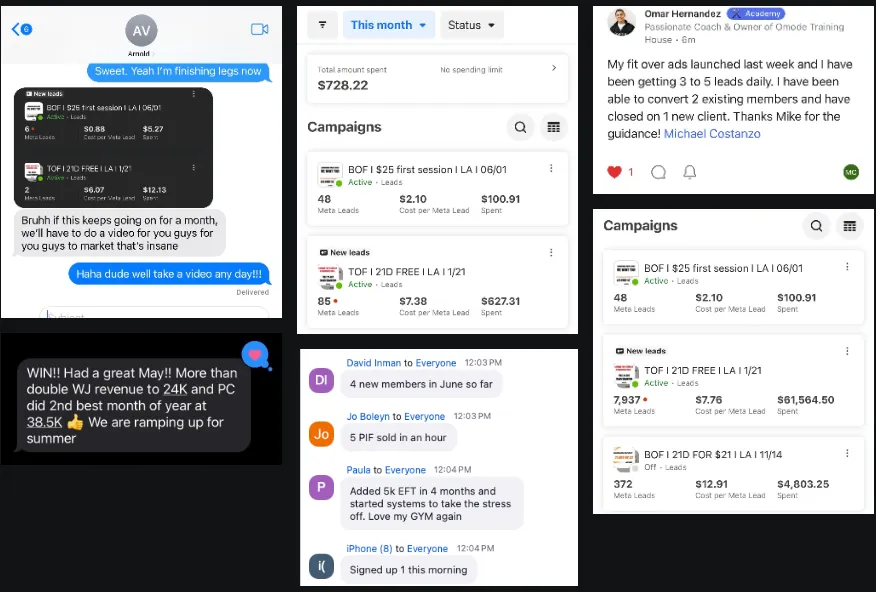
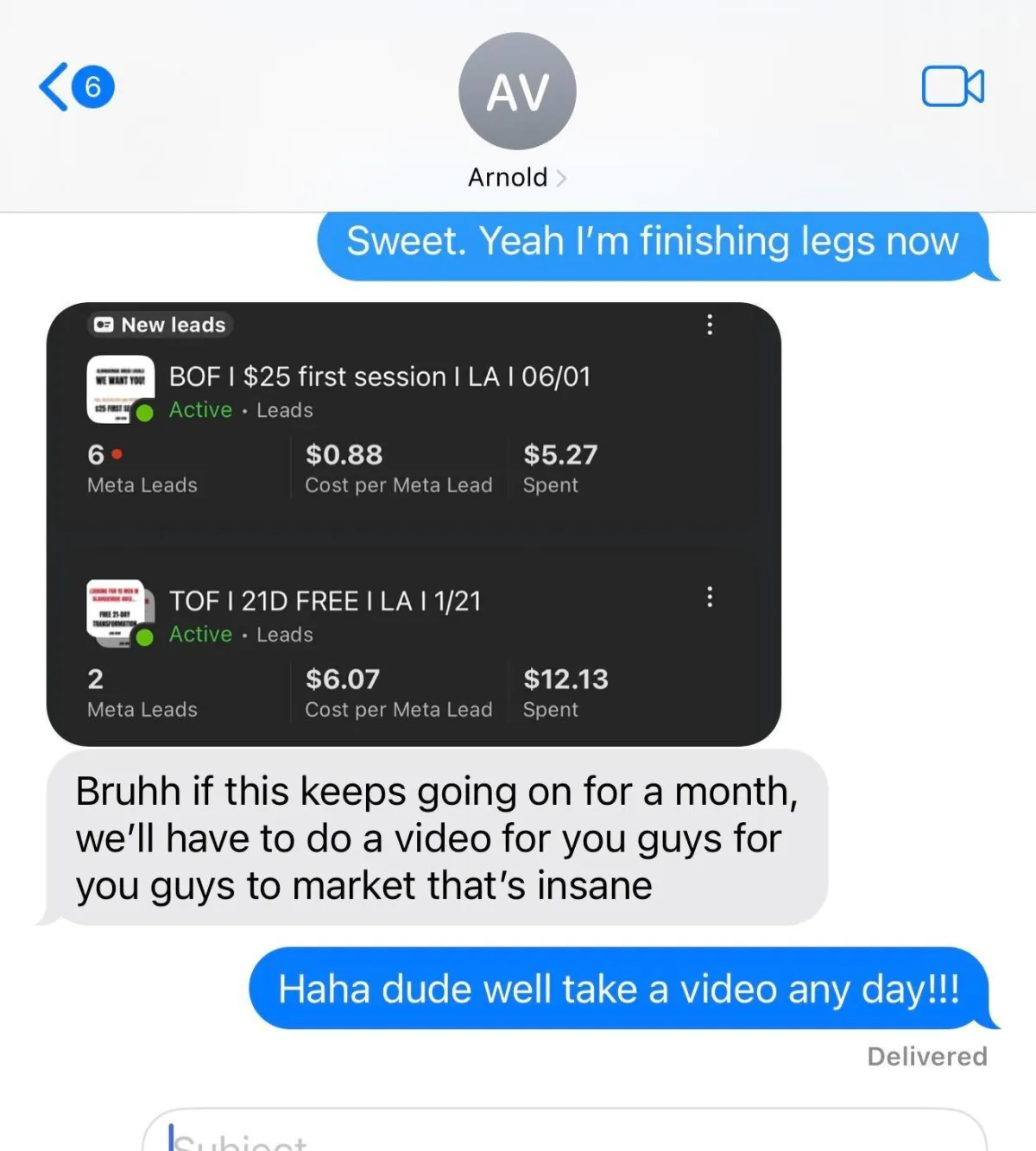
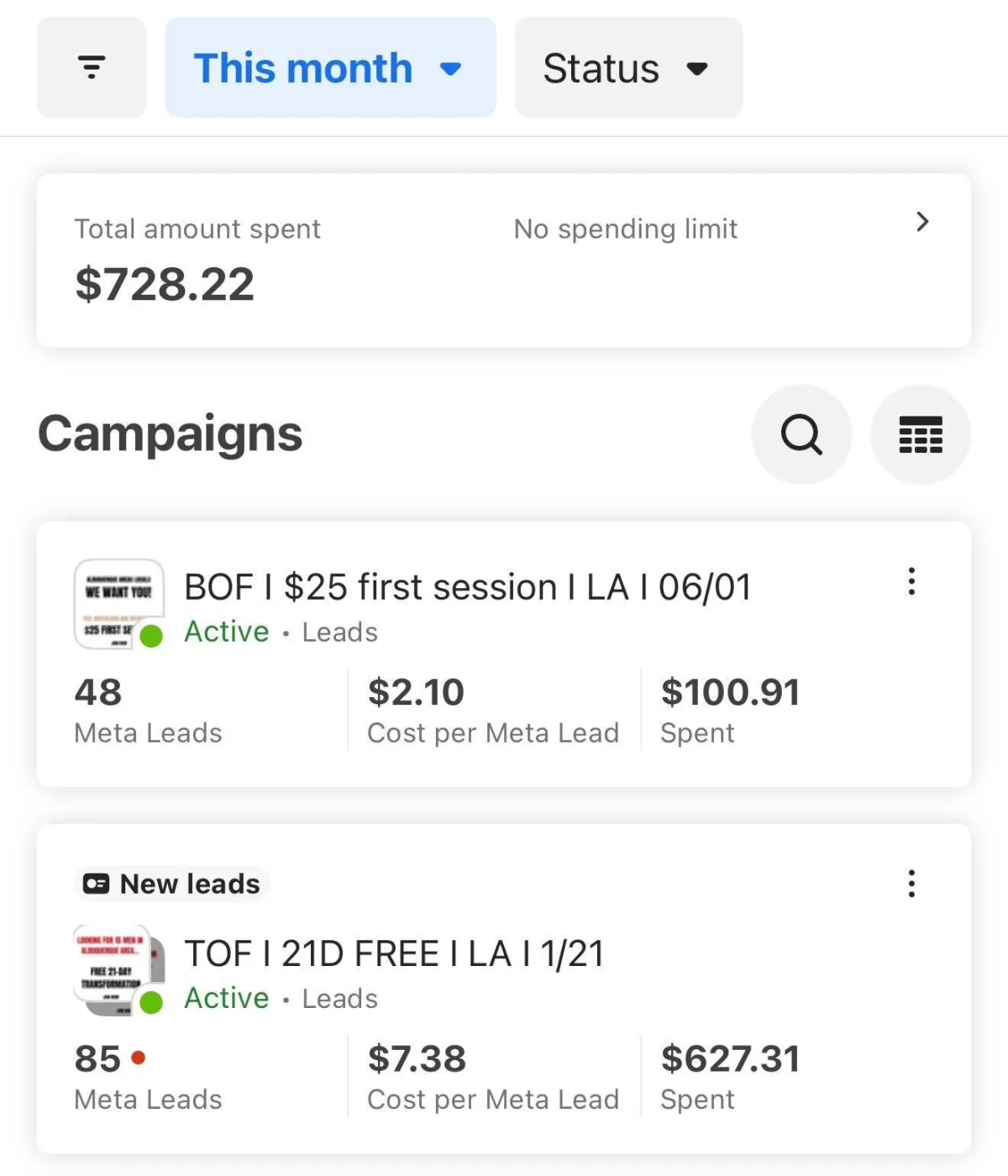
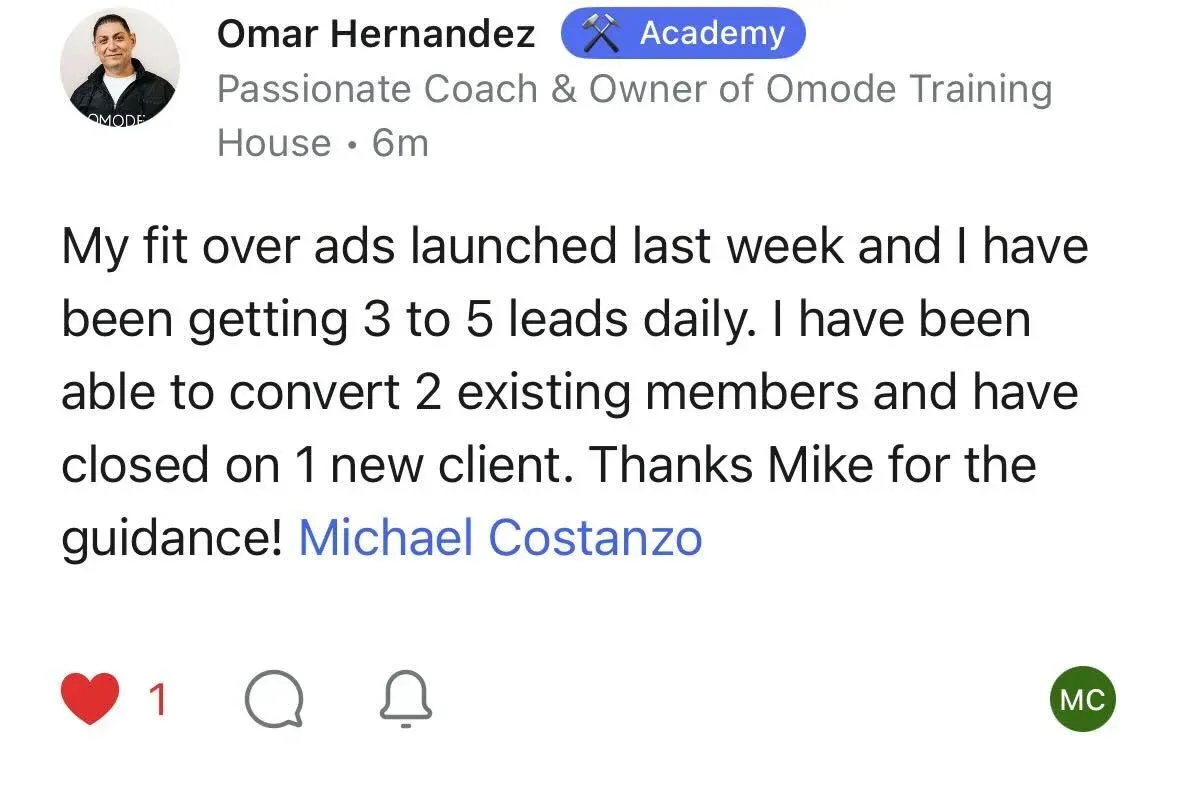
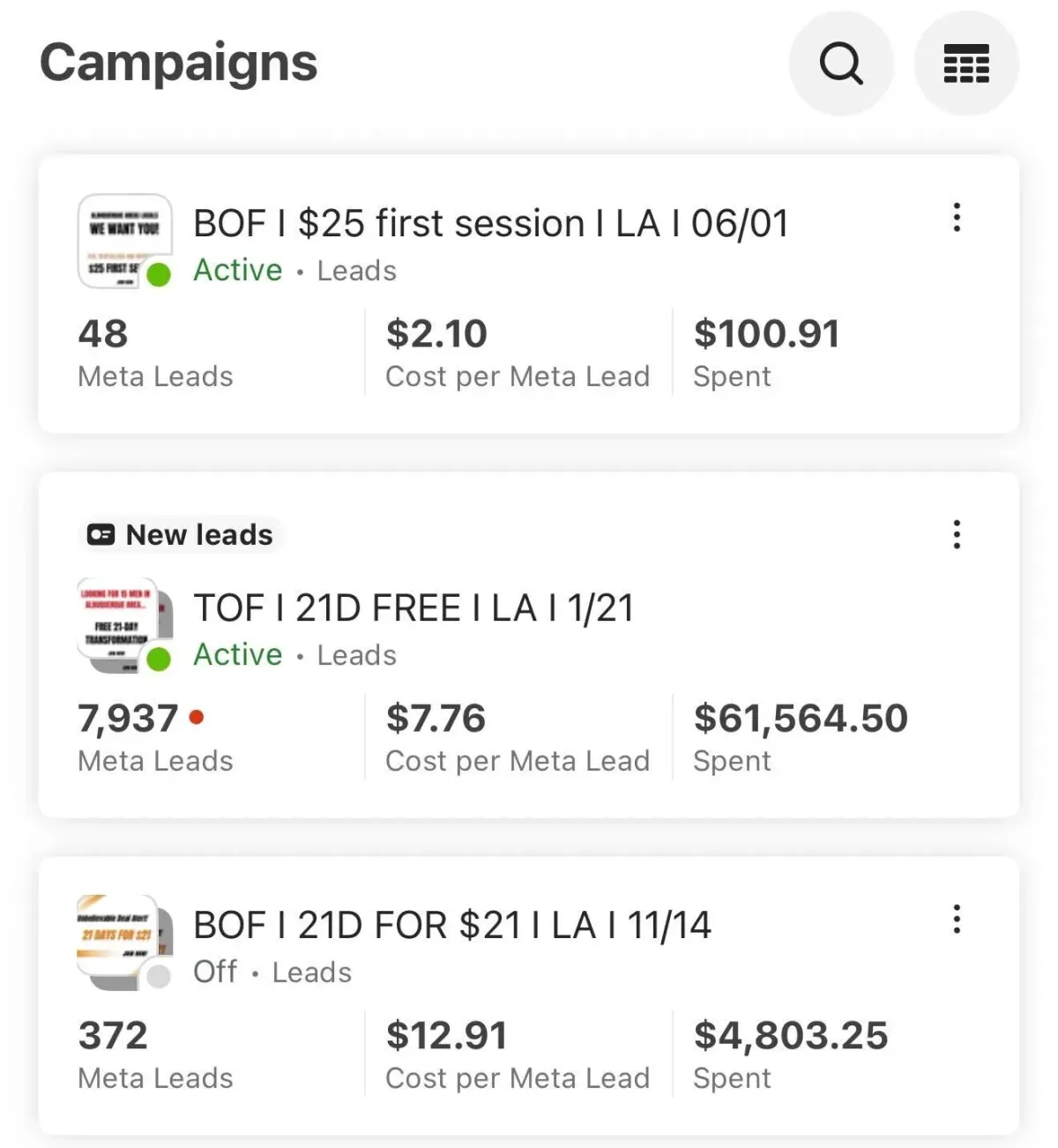
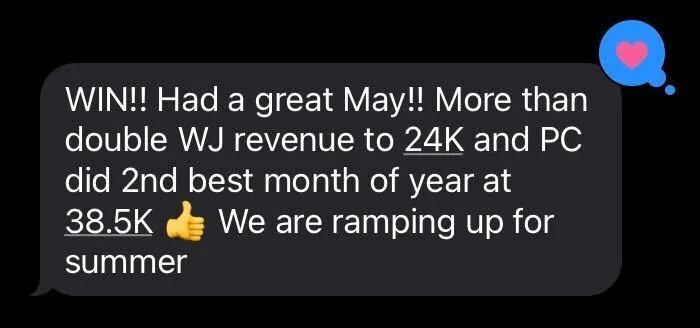
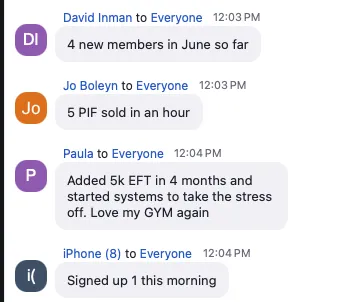
Real results from real gym owners
A new era in gym marketing:
where AI meets client acquisition
Where Less Clients Means More Money
AI is amongst the most disruptive technologies of the last decade. Our proprietary AI marketing and sales system now helps you streamline your business in a way that's never been possible before…
From AI-powered lead nurturing to automated follow-ups, client acquisition & so much more.
500+ Gym Owners & Counting
We're in the business of helping gym owners get the most out of their business while working less.
This is a collection of our top reviews from Google.
4.8/5 stars in 100+ reviews

Gym Academy has helped me get a grasp of my business and taught me to operate my personal training and gym in business like an actual business understanding numbers like my ad spend, where my revenue is coming from, where I need to focus my efforts to grow my business, How to assemble a team and manage a team. A lot of stuff I really had no idea about With their help, I’ve taken my gym from 6000 recurring to 21,000 monthly recurring in nine months
I’ve worked in retail, functional medicine, and now as the GM of Temple Fitness since December 2024. I can honestly say working with Gym Academy has completely transformed my approach to leadership and growth. The quality of training and systems they provide is unmatched. Ryan’s sales training compressed years of growth into just months, while Mike helped me bring my onboarding and team-building experience into the gym world. Josh and Bob are down-to-earth, hands-on leaders who empower you to be the best version of yourself and build systems that drive success. I’ve been in the fitness world my whole life but hesitated to make it a career due to industry challenges. Gym Academy has made it possible to thrive—if you’re serious about growing your gym and changing lives, this is where you should invest.
I am thoroughly enjoying the process of growing my gym. The gym academy team is awesome. Everyone that I have worked with has been understanding and caring about the issues with my business while having a solution to solve those problems. I have already made back my investment plus some in a little over 30 days. They teach you how to operate your business properly while increasing income long term. Highly recommend!
They are great if you have a traditional gym. If you are any type of specialty studio there cookie cutter methods do not work well. Be prepared to shell out 10k in your first 30 days. Wouldn’t recommend.
Joining Gym Academy has been a total game-changer for my fitness studio! Six months ago, I was struggling—keeping my doors open was costing me money, and despite trying multiple marketing companies, I wasn’t seeing real growth. What I quickly realized after joining Gym Academy is that running a successful studio is so much more than just good ads. With Bob and the team’s constant guidance (shout out to my CSM, Ryan), I’ve learned how to have effective conversations that actually convert leads into long-term members while keeping attrition low. Mindset is EVERYTHING too. Beyond that, my entire operational structure has been optimized—I’ve eliminated inefficiencies, cut waste, and now run my studio in a way that’s profitable and scalable. The daily Sales and Marketing calls provide invaluable insights, and the community of studio owners supporting each other makes all the difference. If I ever have a challenge, I know I can ask for help, and immediate, actionable advice is always there. I’m no longer alone on an island, trying to figure things out. No more sleepless nights worried if I'm going to make rent or payroll. Joining Gym Academy has been the single most important strategic move I’ve made since opening my doors. If you're a studio owner struggling to grow, don’t wait—this is the place you need to be! 💪🔥 #GameChanger #GymAcademy #StudioSuccess
Gym Academy has been the best experience. As a result I feel in complete control of my business, I have a clear and doable program seriously accelerating the growth of my studio! Ryan Simpson Shares genuine excitement with my wins. It’s been exciting and inspiring and brought new hope and life back into my relationship with my business!
Before joining Gym Academy I was in a desperate spot. I had a great product a beautiful gym and NOT ENOUGH CLIENTS to survive! However, since joining Gym Academy last year my yearly sales DOUBLED. This is a no joke program... no secret sauce, no hidden magic formula, just tried and true sales and marketing training that will get you a reliable stream of clients so you can finally have the gym of your dreams!

"LITERALLY SAVED MY GYM AND MY SANITY"
. Felicia B.
Gym Academy's Blog
The Flywheel Attraction System: Complete Implementation Guide
The Flywheel Attraction System: Complete Implementation Guide
The Flywheel Attraction System is a comprehensive client acquisition framework that generates consistent, qualified leads through five integrated components: local authority positioning, strategic offer architecture, multi-channel lead generation, AI-powered nurturing, and consultative enrollment. Unlike traditional marketing funnels that depend on single channels and high-pressure sales, the Flywheel creates self-sustaining momentum where satisfied members fuel referrals, content authority attracts organic traffic, and systematic follow-up converts leads who aren't ready immediately.
Gyms implementing the complete Flywheel system generate 30-50 qualified leads monthly without depending on algorithm changes or paid advertising alone. The system combines owned media (content, local search presence), earned media (referrals, partnerships), and paid media (targeted ads) into an integrated approach that compounds over time. Gym Academy developed this framework after recognizing that gyms need sustainable acquisition systems, not isolated tactics that work temporarily then fail when platforms change.
What Is the Flywheel Attraction System
The Flywheel Attraction System is built on the concept that great marketing creates momentum that sustains itself. Like a physical flywheel that requires significant effort to start spinning but maintains momentum with minimal ongoing input, the marketing flywheel becomes easier to maintain as it gains speed.
The core flywheel concept:
Traditional marketing is push-based. You push messages to prospects through ads. When you stop pushing, leads stop coming. You're constantly starting from zero, which is expensive and exhausting.
Flywheel marketing is momentum-based. Each component feeds the others, creating compound effects. Satisfied members generate referrals. Local authority attracts organic search traffic. Content positions you as the expert. Strategic offers convert prospects who trust you. AI nurturing recovers leads who weren't ready initially. The system becomes self-reinforcing.
Why it's called a flywheel:
A flywheel is a mechanical device that stores rotational energy. It takes significant force to get it spinning, but once it reaches speed, it maintains momentum with minimal additional input. The stored energy keeps it turning.
The Flywheel Attraction System works the same way. Initial implementation requires substantial effort: building local authority, creating offers, setting up lead generation channels, configuring AI nurturing, training on enrollment. This setup phase is intense.
But once implemented, the system generates consistent leads with much less ongoing effort. Your content continues attracting organic traffic. Your authority generates referrals without active promotion. Your AI handles lead nurturing automatically. The system has momentum.
The five components:
Component 1: Local Authority Positioning establishes you as the recognized expert in your market through content, partnerships, and community presence. This creates trust before prospects ever contact you.
Component 2: Offer Architecture structures your services as specific transformation programs rather than generic memberships. This makes buying decisions clearer and justifies premium pricing.
Component 3: Multi-Channel Lead Generation combines organic search, paid advertising, partnerships, and referrals to generate 30-50 qualified leads monthly. No single channel is a point of failure.
Component 4: AI-Powered Lead Nurturing maintains consistent, personalized follow-up with every lead until they're ready to buy. This converts leads over weeks or months who would be lost in manual systems.
Component 5: The Enrollment Process uses consultative sales that convert 40-50% of qualified prospects through understanding, not pressure. High conversion rates maximize the value of every lead generated.
How components work together:
Local authority generates organic leads who are pre-sold on your expertise. These leads convert at 50-70% because trust is already established.
Offer architecture gives leads clear options that match their goals and budgets. This reduces decision friction and increases conversion.
Multi-channel lead generation ensures consistent lead flow regardless of algorithm changes or platform issues. When Facebook costs increase, you have Google, partnerships, and referrals.
AI nurturing converts leads who need longer consideration periods. The 30-40% of leads who don't convert immediately don't disappear. They're nurtured until ready.
Consultative enrollment creates satisfied members who refer others, feeding back into the system. Happy members are your best lead source, creating a self-reinforcing loop.
The compounding effect:
Month 1: System is new. You're generating leads primarily through paid channels. Conversion is improving but not optimized. Members haven't been with you long enough to generate referrals.
Month 3: Local authority is building. You're ranking for key searches. Content is attracting some organic traffic. First referrals are happening. AI nurturing is converting leads from months 1-2.
Month 6: Authority is established. Organic traffic generates 20-30% of leads. Referrals are consistent. AI nurturing has a deep pool of leads at various stages. Enrollment conversion is optimized. The system feels easier to maintain.
Month 12: The flywheel is at full speed. Multiple lead sources feed each other. Content compounds as older articles continue attracting traffic. Member base generates steady referrals. AI nurtures hundreds of leads automatically. New leads cost less because organic and referral channels require minimal ongoing investment.
This compounding is why gyms that implement the Flywheel properly generate increasing leads with decreasing effort over time. The system builds on itself.
Why Traditional Marketing Funnels Fail for Gyms
Most gym marketing advice focuses on building funnels: drive traffic to landing page, capture lead, nurture through email sequence, close on consultation. This linear approach works in some industries but fails consistently for gyms.
Problem 1: Funnels depend on single channels
Traditional funnels are channel-specific. Your Facebook funnel. Your Google funnel. Your email funnel. When that channel changes (algorithm updates, cost increases, policy changes), your funnel breaks.
Facebook has updated its algorithm dozens of times. Each change affects organic reach, ad costs, and targeting capabilities. Gyms depending solely on Facebook ads see lead costs spike 200-300% overnight when algorithms change.
Google has shifted dramatically toward AI-powered search. Traditional SEO tactics that worked for years are less effective as AI Overviews and chatbot results change how people search. Funnels built around traditional Google search are becoming less effective.
The Flywheel solves this by integrating multiple channels. When one channel becomes more expensive or less effective, others compensate. You're not vulnerable to single-platform changes.
Problem 2: Funnels treat leads as immediate buyers
Typical funnel logic: lead comes in, gets nurtured for 7-14 days, either converts or gets marked as lost. This works for products with short consideration periods. It fails for gym memberships.
Gym membership is a significant commitment: $200-500 monthly, 6-12 month timeline, requires lifestyle changes. Most prospects aren't ready to decide in 14 days. They need 30, 60, or 90 days to prepare mentally and financially.
Traditional funnels abandon these longer-consideration leads as "not interested." In reality, 40-50% of leads who don't convert immediately eventually join if nurtured properly. Funnels waste these leads by giving up too early.
The Flywheel includes long-term nurturing that maintains contact for months. Leads who need time get it, with regular touchpoints that keep you top-of-mind until they're ready.
Problem 3: Funnels ignore referral dynamics
Traditional funnels are acquisition-focused: get new leads, convert them, repeat. They don't account for how satisfied customers generate new leads organically.
In gyms, referrals should be your best lead source. Referred leads convert at 50-70% and stay longer than paid advertising leads. But referrals only happen consistently when systematically encouraged through community building and asking at the right moments.
Funnels don't include these dynamics. They're purely top-of-funnel focused (new leads) without considering how bottom-of-funnel (satisfied members) can feed top-of-funnel (referral leads).
The Flywheel explicitly includes referral generation as a key component. Happy members create new leads, which creates momentum that compounds over time.
Problem 4: Funnels create feast-or-famine cycles
With funnel-based marketing, lead flow is directly tied to your current marketing activity. Running ads? Leads flow. Stop ads? Leads stop immediately. This creates unpredictable revenue and forces constant marketing spending.
Many gym owners experience this: busy period of high lead flow when you're running campaigns, followed by dry periods when you pause marketing to handle operations. Revenue becomes unpredictable and stressful.
The Flywheel creates sustained lead generation even when you reduce active marketing. Your content continues attracting organic traffic. Your local authority generates referrals. Your AI nurtures leads from previous months. Lead flow becomes more predictable and sustainable.
Problem 5: Funnels optimize for conversion, not satisfaction
Funnel metrics focus on conversion rate and cost per acquisition. Did they buy? How much did it cost? This optimizes for closing sales, not creating great member experiences.
This leads to misaligned incentives. High-pressure tactics that increase short-term conversion but create buyer's remorse. Discounts that attract price-shoppers who cancel quickly. Overpromising that leads to disappointed members.
The Flywheel optimizes for long-term member satisfaction because satisfied members fuel the system through referrals and retention. You can't build flywheel momentum by churning through dissatisfied members. The system naturally aligns incentives toward quality.
The fundamental difference:
Funnels are linear and extractive: get lead, convert lead, move to next lead.
Flywheels are circular and generative: attract lead, build relationship, convert when ready, deliver value, generate referrals, attract more leads.
Understanding how the complete Flywheel system works requires seeing how each component connects to others. Our guide on gym marketing strategies explains how these components integrate into complete acquisition systems.
Component 1: Local Authority Positioning
Local authority positioning means being recognized as the expert gym in your geographic market. When someone asks "what's the best gym in [your city]?" your name should come up repeatedly. When local businesses need fitness partners, you're the obvious call. When journalists need fitness commentary, you're the go-to source.
This authority generates leads continuously because prospects trust you before they ever contact you. They've heard about you, read your content, or received recommendations. The consultation is easier because you're not building trust from zero. You're confirming trust that already exists.
Why local authority matters:
Trust shortens sales cycles dramatically. Prospects who found you through authority-based channels (content, referrals, local recognition) convert at 50-70% compared to 20-30% from cold advertising. Authority pre-sells them.
Authority justifies premium pricing. When you're recognized as the expert, price becomes less important. Prospects want to work with the best, not the cheapest. This enables gym pricing strategy that captures full value.
Authority creates sustainable competitive advantage. Competitors can match your pricing or equipment. They can't easily match your reputation. Authority built over 12-24 months creates a moat around your business.
Building local authority: The systematic approach
Tactic 1: Dominate local search
Your Google Business Profile should be the most complete, active, and positively reviewed listing in your market.
Post updates 2-3 times weekly about classes, member wins, and helpful tips. Google rewards active profiles with higher visibility in local search.
Respond to every review within 24 hours. Thank positive reviews specifically. Address negative reviews professionally and offer to resolve issues. Responsiveness signals strong customer care.
Add new photos monthly showing facility, classes, member transformations (with permission), and team. Fresh visual content keeps your profile dynamic.
Optimize your business description with location-specific keywords: "[City] gym specializing in [your focus] for [your audience]." Be specific rather than generic.
Ask satisfied members to leave reviews systematically. Most happy members will review if asked directly: "Would you mind leaving a Google review? It really helps us reach more people like you."
Tactic 2: Create valuable local content
Content marketing builds authority when you solve real problems for your target audience. Blog posts, videos, or social content that addresses specific questions your prospects have.
Local-focused content cuts through noise because it's relevant to specific audience rather than competing with millions of generic posts.
Content topics that build authority:
"Best gyms in [your city] by training style" (position yourself honestly in market)
"How to choose the right gym in [your area]" (educate on evaluation criteria)
"[Local landmark] outdoor workout routine" (demonstrate local knowledge)
"Training for [local sports team] athletes" (connect to local interests)
"Where [city] professionals work out: facility comparison" (target your demographic)
Each piece of content ranks for local search terms, attracts organic traffic, and demonstrates your expertise. Content compounds as older articles continue attracting traffic months or years later.
Tactic 3: Build strategic partnerships
Partner with businesses that serve your target audience. These partnerships generate qualified referrals from trusted sources.
Physical therapists and chiropractors who need referral partners for patients ready to return to training. Offer to co-host injury prevention workshops or provide training guidance for their patients.
Corporate wellness programs looking for gym partnerships. Propose group rates for employees or on-site training sessions.
Sports medicine doctors who prescribe exercise but need specific facilities to recommend. Position as their trusted referral destination.
Youth sports organizations whose parents want fitness options. Sponsor teams and you're promoted to 50+ families with athletic kids.
Local businesses with complementary audiences. Coffee shops, healthy restaurants, sports stores. Cross-promote to each other's customers.
These partnerships generate warm leads that convert at 50-70% because they come through trusted recommendations.
Tactic 4: Increase community visibility
Physical presence in your community builds authority faster than digital marketing alone. People trust businesses they see actively contributing to the community.
Sponsor local 5Ks, charity events, or sports leagues. Your logo reaches thousands of local people who see you supporting causes they care about.
Host free community events monthly. Nutrition workshop, goal-setting seminar, outdoor group workout. These position you as the expert while generating leads.
Speak at local business groups, Chamber of Commerce, or community organizations. Topics like "fitness for busy professionals" or "nutrition basics" are always welcome.
Partner with local media as the fitness expert. Offer to comment on fitness stories for local news, radio, or community publications.
Volunteer coaching for community programs. Youth sports, senior fitness, corporate wellness. Visibility in service to the community builds tremendous goodwill.
Timeline for building local authority:
Months 1-3: Foundation phase. Set up Google Business Profile properly. Start content creation. Identify potential partners. Schedule first community event.
Months 4-6: Early traction. Content is starting to rank. First partnerships are generating referrals. Community presence is building awareness. Organic leads are trickling in.
Months 7-9: Acceleration phase. Content library is substantial. Multiple partnerships are active. Community recognizes your brand. Organic leads represent 15-20% of total volume.
Months 10-12: Authority established. Strong local search rankings. Consistent partnership referrals. Community presence generates ongoing awareness. Organic leads reach 25-30% of total, requiring minimal ongoing investment.
Component 2: Offer Architecture
Offer architecture is how you structure and present your services to make buying decisions clear and compelling. Instead of selling generic gym memberships, you create specific transformation programs with defined outcomes, timelines, and pricing.
Good offer architecture makes sales easier because prospects understand exactly what they're buying and why it's valuable. Poor offer architecture creates confusion and price resistance because prospects can't clearly see value.
Why offer architecture matters:
Clarity increases conversion. "12-week fat loss program: lose 15-20 pounds through structured training and nutrition" converts better than "join our gym." Specific outcomes justify specific investments.
Tiered offerings serve different segments. Not everyone wants the same service or can afford the same price point. Tiers let prospects self-select based on their goals and budget.
Premium pricing becomes possible. When offers are structured around valuable outcomes with comprehensive support, premium pricing feels justified. Generic memberships compete on price. Transformation programs compete on results.
Designing your core offer:
Your core offer should be the entry point for most new members. It needs five elements:
Clear, meaningful outcome that resonates with your target audience. "Lose 20 pounds" means something to people trying to lose weight. "Get healthier" is vague and unmotivating.
Specific timeline that creates urgency and commitment. "12 weeks" is short enough to feel achievable and long enough to deliver real results. Open-ended offers let prospects procrastinate indefinitely.
Comprehensive support that removes obstacles to success. Include everything needed: training, nutrition guidance, accountability, progress tracking. When you remove excuses for failure, people pay premium prices.
Social proof from people who've achieved similar results. Testimonials, before/after photos, specific results achieved. Proof reduces buying risk and increases belief that the program works.
Risk reversal that protects the prospect. Money-back guarantees, free extensions if goals aren't met, or pause options for life circumstances. Risk reversal shows confidence and removes the biggest objection.
Example core offer: The 12-Week Transformation Program
Outcome: "Lose 20-25 pounds and build strength that lasts" Timeline: "12 weeks with structured progression" Support: "36 training sessions, customized nutrition plan, weekly check-ins, body composition tracking, private accountability group" Proof: "94% of participants lose 15+ pounds. See our results gallery." Guarantee: "Complete all 36 sessions and follow nutrition guidelines. If you don't lose at least 12 pounds, get 4 additional weeks free."
Price: $1,497 (or $499/month for 3 months)
This offer converts 3-4x better than "gym membership: $150/month" because prospects understand exactly what they're buying and why it's valuable.
Creating your pricing tiers:
Three tiers serve different client segments while maximizing revenue per member.
Tier 1: Group Training ($149-199/month) Entry-level offering for budget-conscious prospects who want structured workouts without personalized attention. Unlimited group classes, basic programming, community access. This tier should be 50-60% of your membership base.
Tier 2: Semi-Private Training ($299-399/month) Core offering for clients who want accountability and personalization. Small group training (3-6 people), customized programming, nutrition coaching, regular check-ins. This tier should be 30-40% of membership base and drives most profit.
Tier 3: Private Training ($599-899/month) Premium offering for clients who want maximum attention and fastest results. One-on-one training, comprehensive support, daily accountability. This tier should be 10-15% of membership base and provides highest per-member revenue.
This structure lets prospects choose their investment level while ensuring you're not leaving money on the table from people who would pay more.
Creating high-ticket programs:
High-ticket programs ($1,000-2,500+) attract serious clients who value guaranteed results over low prices. These programs supplement your monthly tiers with intensive, outcome-focused options.
Structure: 6-16 week programs with specific outcomes Pricing: $1,000-2,500 depending on length and intensity Included: Everything needed for success (training, nutrition, supplements guidance, accountability, progress tracking) Guarantee: Risk reversal tied to completion and effort
Example programs:
"Wedding Ready in 16 Weeks: Look Amazing in Your Photos" ($1,997)
"6-Week Summer Shred: Drop 12-15 Pounds Fast" ($997)
"12-Week Strength Builder: Add 50+ Pounds to Your Lifts" ($1,497)
High-ticket programs attract a different buyer who won't join for $150/month but will invest $1,500 for guaranteed transformation. Even 5-8 high-ticket sales monthly adds $5,000-15,000 revenue.
Presenting offers effectively:
Lead with the outcome, not the mechanics. "Lose 20 pounds in 12 weeks" before "Our program includes training 3x per week..."
Explain what's included comprehensively. The more complete your offer appears, the higher the perceived value. Don't make prospects wonder what's included.
Show the value stack. List each component with implied value: "Training ($1,200 value) + Nutrition ($400 value) + Accountability ($200 value) = $1,800 total value, yours for $1,497."
Offer payment options that reduce friction. Monthly payments feel more manageable than lump sums even when total cost is identical. "$399/month for 3 months" versus "$1,197 upfront."
Create decision urgency without false scarcity. "Program starts April 1st with 12 spots available" is real urgency. "Sale ends tonight" when there's no actual deadline is manipulation.
Component 3: Multi-Channel Lead Generation
Multi-channel lead generation means generating leads through multiple independent sources rather than depending on a single platform. This creates resilience and consistent lead flow regardless of algorithm changes or cost fluctuations in any one channel.
The goal is 30-50 qualified leads monthly from a mix of paid advertising, organic search, partnerships, referrals, and community presence. No single channel should represent more than 40-50% of total leads.
Channel 1: Paid advertising (Facebook/Instagram)
Facebook and Instagram ads generate immediate lead volume when done properly. Target local audiences with specific offers, use member transformation images, and drive to landing pages with clear program information.
Target parameters:
Geographic: 5-15 mile radius
Age: Match your ideal member demographic
Interests: Fitness, wellness, health-focused behaviors
Lookalike audiences based on customer list
Ad creative that works:
Real member before/after transformations (with permission)
Outcome-focused headlines: "Lost 30 Pounds in 12 Weeks"
Brief program description and call to action
Drive to landing page, not Instagram profile
Expected performance:
Lead cost: $20-50 in most markets
Leads per $1,000 budget: 20-50 leads
Budget recommendation: $500-1,500 monthly
This channel generates leads within days of launch but requires ongoing investment. Leads dry up immediately when you pause ads.
Channel 2: Local search (Google Business + SEO)
Local search generates organic leads from people actively looking for gyms. These leads convert at higher rates because they're high-intent prospects who are actively shopping.
Google Business optimization:
Complete profile with all information
2-3 posts weekly
New photos monthly
Respond to all reviews within 24 hours
Ask members for reviews systematically
SEO content strategy:
Create 20-30 blog posts targeting local + fitness keywords
"[City] gym," "best gym in [neighborhood]," "[area] personal training"
Comprehensive guides that answer common questions
Update content yearly to maintain relevance
Expected performance:
Timeline: 60-90 days to see meaningful traffic
Lead volume: 10-20 monthly once established
Cost: Time investment for content creation and optimization
This channel builds slowly but generates increasing returns over time. Leads continue flowing even when you're not actively working on it.
Channel 3: Partnership and referral networks
Strategic partnerships generate qualified warm leads through trusted referral sources. These leads convert at 50-70% because they come pre-qualified with trust transferred.
Partnership targets:
Physical therapists and chiropractors
Sports medicine doctors
Corporate wellness programs
Youth sports organizations
Complementary local businesses
Partnership approach:
Identify 20 potential partners in your market
Create referral proposal explaining mutual benefits
Offer value first (workshops, education, trial services)
Make referring easy with specific process
Follow up regularly with appreciation
Expected performance:
Timeline: 60-90 days to establish productive partnerships
Lead volume: 5-15 monthly from active partnerships
Cost: Time investment for relationship building
These leads cost almost nothing and convert at very high rates. Partnerships compound as you build more relationships over time.
Channel 4: Member referrals
Your existing members should be your best lead source. Satisfied members who see results naturally tell friends about you. Systematic referral programs amplify this organic behavior.
Referral system components:
Physical referral cards members can hand to friends
Incentives for both referrer and friend
Strategic timing (ask after first month, after PRs, after challenges)
Recognition for top referrers
Follow-up when passes are distributed
Expected performance:
Referral rate: 30-40% of members refer at least one person annually
Lead volume: 10-20 monthly with systematic program
Cost: Incentive costs offset by high conversion and retention
Member referrals are your most valuable leads. They cost little, convert at 50-70%, and stay longer than any other lead source. Our guide on gym lead generation explains systematic referral program implementation.
Channel 5: Community events and local presence
Community events build awareness and generate leads while establishing local authority. These work in combination with other channels rather than standing alone.
Event types:
Free monthly outdoor workouts in parks
Educational workshops at your gym or community venues
Charity fundraisers tied to fitness activities
Sponsorships of local sports or community events
Expected performance:
Lead volume: 5-10 monthly from consistent community presence
Cost: 3-5 hours monthly plus event costs
Timeline: 3-6 months to build meaningful awareness
Community presence generates leads indirectly through awareness and authority building rather than direct response. Combine with other channels for comprehensive coverage.
Multi-channel metrics to track:
Total leads per month across all channels Lead volume by source (tracking which channels produce most) Cost per lead by channel (accounting for time and money invested) Conversion rate by source (some channels produce better quality) Cost per member by channel (ultimate measure of channel effectiveness)
Allocate resources toward channels with best cost per member while maintaining diversification. Aim for no more than 40-50% of leads from any single source.
Component 4: AI-Powered Lead Nurturing
AI-powered lead nurturing maintains consistent, personalized communication with every lead until they're ready to join. This systematic follow-up converts 30-40% of leads who don't join immediately, dramatically improving ROI on acquisition spending.
Traditional manual follow-up fails because humans are inconsistent. You intend to follow up multiple times. You get busy. You forget. Leads go cold. AI never forgets and never gets too busy.
Why AI nurturing matters:
Most leads aren't ready to join immediately. They're researching options, preparing financially, or building motivation. The 7-14 day window most gyms use misses 40-50% of eventual conversions.
Manual follow-up doesn't scale beyond 20-30 active leads. If you're generating 30-50 leads monthly, you'll have 100-150 active leads at various stages. Manual systems can't maintain quality follow-up at that volume.
Personalized messages convert better than generic blasts. AI can personalize based on lead source, behavior, interests, and stage in the consideration process. This relevance increases response rates dramatically.
How AI nurturing works:
Lead inquires through any channel (website form, Facebook ad, phone call, text). Information is captured in your system.
Immediate automated response within 60 seconds confirms inquiry and provides next step (typically scheduling consultation). Fast response dramatically improves conversion.
Behavioral tracking monitors how leads interact with your content. Did they visit pricing page? Watch program videos? Read testimonials? This behavior triggers relevant follow-up.
Personalized message sequences deliver right message at right time based on behavior and timeline. Someone who clicked nutrition content gets nutrition-focused follow-up. Someone who visited pricing gets value communication.
Appointment scheduling happens directly through conversational interface. "Would Wednesday at 4pm or Thursday at 6pm work for your consultation?" Lead picks time, it's added to calendar, reminders are sent automatically.
Long-term nurturing maintains contact for months with valuable content. Leads who aren't ready today receive monthly touchpoints for 6-12 months, keeping you top-of-mind for when they're ready.
Building your AI nurture sequence:
Day 0: Immediate response Text or email within 60 seconds confirming inquiry. Include scheduling link for consultation. "Thanks for your interest in [Program]. I'd love to learn about your goals. Click here to schedule a quick call: [link]"
Day 1: Success story Share testimonial or transformation from someone with similar goals. "Meet Sarah who had the same goal you mentioned. Here's what she achieved in 12 weeks..."
Day 3: Address common objection Time, cost, or intimidation depending on what you know about lead. "I know time is tight. Here's how our members fit training into busy schedules..."
Day 7: Program details
Comprehensive information about how your program works. "Here's exactly what you can expect in our [Program]..."
Day 14: Limited availability Create gentle urgency without pressure. "Our next [Program] cohort starts [date] with [X] spots available. Want to claim yours?"
Day 21: Value content Helpful tip related to their goals. "Here's a simple strategy that helped our members lose 15+ pounds..."
Day 30: Direct question "Still thinking about joining? What questions can I answer?"
Day 60+: Monthly check-ins Continue providing value without aggressive selling. Stay top-of-mind until they're ready.
Personalizing based on behavior:
If lead visits pricing page: Send message addressing value and payment options If lead watches program videos: Follow up asking what questions they have If lead reads multiple testimonials: Provide additional social proof and invite to facility tour If lead hasn't engaged in 14 days: Send different content angle or call directly
This behavioral personalization makes every message relevant rather than generic.
Technology for AI nurturing:
GymAcademy.AI (mentioned on Gym Academy website) provides complete AI nurturing for gym-specific needs.
Alternative options include:
Gym-specific CRM systems with automation (Wodify, Mindbody, Pike13)
General marketing automation platforms adapted for fitness (ActiveCampaign, HubSpot)
SMS automation tools for text-based follow-up (SimpleTexting, EZ Texting)
The specific platform matters less than having systematic automation in place. Any AI nurturing beats manual follow-up that depends on memory.
Expected results from AI nurturing:
Lead-to-consultation rate improves from 25-30% to 45-55% because every lead gets consistent follow-up.
Consultation-to-member conversion improves through better-qualified consultations. Leads who schedule after proper nurturing are more informed and ready.
Long-term conversion adds 30-40% more members from leads who needed extended consideration periods. These conversions happen 30-90 days after initial inquiry.
Time saved is substantial. AI handles 80% of lead communication automatically. You only engage personally when leads are ready for consultations.
Component 5: The Enrollment Process
The enrollment process is your consultative sales system that converts qualified leads into members. This is where all previous Flywheel components culminate in actual revenue. Even with great authority, offers, lead generation, and nurturing, poor enrollment kills growth.
The No Selling Sales System (detailed in our complete guide) is the enrollment framework that converts 40-50% of qualified consultations through understanding prospects deeply, explaining how you can help specifically, and letting them make informed decisions without pressure.
The consultation framework:
Phase 1: Goal discovery (15 minutes) Understand what prospects actually want to achieve, why it matters to them, and how important it is right now. Ask questions and listen rather than pitching immediately.
Key questions:
"Tell me what brings you in. What are you hoping to accomplish?"
"What would achieving that goal mean for you personally?"
"On a scale of 1-10, how important is this to you right now?"
"What's driving this decision now versus six months ago?"
Take detailed notes. Writing down what prospects say shows you're listening and helps you reference their specific goals later.
Phase 2: Obstacle identification (10 minutes) Understand what's prevented them from achieving this goal already. Every prospect has tried something before. Find out what didn't work and why.
Key questions:
"What have you tried before to work toward this goal?"
"What worked and what didn't about those approaches?"
"What do you think the biggest challenge will be if you start now?"
"What would need to be different this time for you to succeed?"
Common obstacles include time constraints, previous failures, lack of accountability, intimidation about gyms, or trying alone without support.
Phase 3: Solution explanation (15 minutes) Explain specifically how your programs address their goals and obstacles. This isn't generic pitching. This is customized guidance based on what you've learned.
Structure explanation around their situation: "Based on what you've told me, here's specifically how we'd help you lose those 20 pounds..."
Recommend the specific program that fits best:
Which tier (group, semi-private, private)
Training frequency needed
What else is included (nutrition, accountability, tracking)
Realistic timeline for their specific goal
What will be required from them (attendance, nutrition changes)
Connect your solution to their stated obstacles: "You mentioned accountability was missing when you tried home workouts. Our scheduled sessions and weekly check-ins create exactly that structure."
Phase 4: Pricing presentation (5 minutes) Present pricing clearly and confidently. Hesitation signals you don't believe in your value.
State investment directly: "The program I'm recommending is semi-private training at $349 per month. That includes 12 sessions monthly, customized programming, nutrition coaching, and weekly check-ins."
Explain total investment: "Most members stay 18-24 months because that's what it takes to build lasting habits. So you're looking at investing around $6,000-8,000 total."
Offer payment options if available: "You can pay monthly at $349, or commit to 12 months upfront at $299 monthly. That saves you $600 over the year."
Then stop talking. Let them process without filling silence.
Phase 5: Question handling (10 minutes) Ask if they have questions or concerns. Address them honestly and directly.
"What questions do you have?" (not "Do you have any questions?" which invites "no")
Common questions:
"What if I don't see results?" → Explain your process, show success rates, offer guarantee
"Can I try it first?" → Explain why trial period undermines commitment needed for results
"How do I know this will work for me?" → Reference similar clients and emphasize their role
Don't dodge concerns. If they're worried about time commitment, acknowledge it: "You're right that 3x/week is a commitment. That's what's required for the results you want. If you're not ready to make that commitment now, it's better to wait until you are."
Phase 6: Decision space (5 minutes) Give them room to decide without pressure.
"Based on what we've discussed, does this feel like something you want to move forward with?"
If yes: Handle enrollment immediately. Get them scheduled, collect payment, explain next steps.
If uncertain: "What's holding you back?" (Listen to real concern) "That makes sense. What would you need to feel confident moving forward?"
If no: "I appreciate your honesty. Can I ask what doesn't feel right about it?" (Learn for future consultations)
For uncertain prospects: "Take time to think about it. If you decide this is right, reach out and we'll get you started. I'm here if you have questions."
No pressure. No manufactured urgency. No discount offers. Respect their process.
Training team on enrollment:
If you have staff handling consultations, they need systematic training on this consultative approach. Most people hired for gym sales have high-pressure tactic experience and must unlearn those habits.
Role-play consultations weekly. One person plays prospect with real objections, one plays consultant. Record and review together. This builds confidence and smooths awkward moments.
Shadow experienced staff during real consultations. New consultants watch how veterans handle various prospect situations before doing consultations alone.
Create consultation scorecards rating key components: goal discovery, obstacle identification, solution explanation, objection handling, close attempt. Use these to identify where staff need coaching.
Celebrate consultative behaviors, not just closed sales. When staff properly decline a poor-fit prospect, recognize that. When they spend extra time understanding difficult situations, acknowledge it.
Expected conversion rates:
Qualified leads through proper Flywheel process should convert at 40-50% using consultative enrollment.
Referral leads convert at 50-70% because trust is pre-established.
Organic search leads convert at 35-45% because they're high-intent prospects actively shopping.
Paid advertising leads convert at 25-35% because they're colder and less pre-qualified.
Partnership leads convert at 45-60% because they come through trusted recommendations.
If your overall conversion is below 35%, you either have lead quality issues (wrong targeting, poor offers) or enrollment process issues (weak consultation framework, insufficient training).
Implementing the Flywheel in Your Gym
Implementing the complete Flywheel Attraction System takes 90-120 days of focused effort. Don't try to build everything simultaneously. Sequential implementation allows each component to build on previous foundations.
Implementation timeline:
Weeks 1-2: Local authority foundation
Optimize Google Business Profile completely
Plan first 10 content pieces targeting local keywords
Identify 20 potential partnership prospects
Schedule first community event
Weeks 3-4: Offer architecture
Design core transformation offer with clear outcome
Structure three-tier pricing (group, semi-private, private)
Create high-ticket program option
Write sales page copy for each offering
Weeks 5-6: Multi-channel lead generation setup
Launch Facebook/Instagram ad campaign with $500 test budget
Publish first 5 content pieces for organic search
Reach out to first 10 partnership prospects
Implement systematic member referral program
Weeks 7-8: AI nurturing implementation
Select and set up AI nurturing platform
Create email and SMS sequences for days 0, 1, 3, 7, 14, 30
Set up behavioral triggers based on prospect actions
Test automation with small group of leads
Weeks 9-10: Enrollment process optimization
Train team on consultative enrollment framework
Role-play consultations until comfortable
Create consultation scorecards for tracking
Shadow real consultations and provide feedback
Weeks 11-12: Measurement and optimization
Set up tracking for all key metrics
Review first month's data to identify what's working
Adjust budget allocation based on cost per member by channel
Refine messaging based on what's resonating
Month 2-3: Optimization phase
Continue all systems while optimizing based on performance data:
Increase budget on best-performing lead channels. If Facebook is generating leads at $25 and converting at 40%, allocate more budget there.
Improve worst-performing components. If consultation conversion is low, focus on enrollment training. If leads are expensive, test new ad creative or targeting.
Expand partnership network. Initial outreach identified which partners are most productive. Deepen those relationships and find similar prospects.
Accelerate content production. Early content proves what resonates with your audience. Create more content on those themes.
Refine AI sequences based on response rates. Which messages get best engagement? What timing works best? Adjust accordingly.
Common implementation challenges:
Challenge: "I don't have time to build all this." Solution: Hire implementation help or accept slower timeline. Better to build properly over 6 months than rush and build poorly.
Challenge: "This is expensive to set up." Solution: Initial investment is $3,000-5,000 for technology, content creation, and ads. Budget accordingly or start with free/low-cost components (partnerships, content, referrals) before paid channels.
Challenge: "My team isn't good at consultative sales." Solution: Training takes 60-90 days. Role-play weekly, shadow experienced staff, and provide regular feedback. Some staff may not be coachable - address that quickly.
Challenge: "Leads aren't converting even with good follow-up." Solution: Lead quality issue. Review targeting, offer clarity, and whether you're attracting right audience. Poor targeting creates leads who will never convert regardless of follow-up quality.
Challenge: "The system feels overwhelming." Solution: Focus on one component at a time. Master local authority before moving to offers. Nail offers before scaling lead generation. Sequential builds competence.
Technology requirements:
CRM/Lead Management: System for tracking leads and managing follow-up (GymAcademy.AI, Wodify, Mindbody, or HubSpot)
Email Automation: Platform for automated email sequences (built into CRM or standalone like Mailchimp, ConvertKit)
SMS Automation: Tool for text message follow-up (SimpleTexting, EZ Texting, or built into CRM)
Scheduling: Online booking system for consultations (Calendly, Acuity, or built into gym management software)
Analytics: Tracking for lead sources, conversion rates, and costs (Google Analytics, Facebook Pixel, CRM reporting)
Budget for technology: $200-500 monthly depending on tools selected. Can start lower with free tiers and scale as budget allows.
Case Studies: Flywheel Results
These case studies show real gyms implementing the Flywheel Attraction System. Results are typical for gyms that implement all five components properly over 12-18 months.
Case Study 1: Suburban Semi-Private Training Gym
Starting point:
Revenue: $28,000 monthly
Members: 185 at $151 average
Lead volume: 12-15 monthly (mostly from Facebook ads)
Conversion rate: 22%
Owner working 70 hours weekly
Implementation approach: Focused first on local authority through Google Business optimization and partnership development with three physical therapists. Created tiered offer structure (group at $179, semi-private at $349, private at $699). Implemented AI nurturing for consistent follow-up. Trained owner on consultative enrollment.
Results after 12 months:
Revenue: $67,400 monthly (+141%)
Members: 237 at $284 average
Lead volume: 42-48 monthly (diversified sources)
Conversion rate: 41%
Owner working 38 hours weekly
Key factors: Average revenue per member doubled through tiered pricing. Lead volume tripled through multi-channel approach. Conversion nearly doubled through better consultation process. Owner time decreased 46% through systems and one new hire.
Case Study 2: Urban CrossFit Gym
Starting point:
Revenue: $42,000 monthly
Members: 280 at $150 average
Lead volume: 18-22 monthly
Conversion rate: 28%
Strong local presence but underpriced
Implementation approach: Already had good local authority through community involvement. Focused on offer architecture by creating foundations program ($397 for 6 weeks), competition track ($249/month), and private coaching ($599/month). Raised unlimited class rate from $125 to $179. Implemented referral system and AI nurturing.
Results after 9 months:
Revenue: $71,200 monthly (+70%)
Members: 298 at $239 average
Lead volume: 32-38 monthly
Conversion rate: 38%
Added $18,000 monthly from foundations programs
Key factors: Pricing restructure increased average revenue per member 59%. Most existing members upgraded to higher tiers. Foundations program created new revenue stream. Member count grew only 6% but revenue grew 70% through better monetization.
Case Study 3: Boutique Fitness Studio
Starting point:
Revenue: $18,500 monthly
Members: 124 at $149 average
Lead volume: 8-12 monthly
Conversion rate: 18%
Competing on price with budget gyms
Implementation approach: Repositioned from budget option to premium boutique. Rebuilt offer architecture around transformation programs ($329/month comprehensive program). Focused local authority through educational workshops and corporate partnerships. Implemented complete AI nurturing system. Trained owner on consultative enrollment.
Results after 14 months:
Revenue: $52,300 monthly (+183%)
Members: 159 at $329 average
Lead volume: 28-35 monthly
Conversion rate: 43%
Premium positioning allowed hiring head coach
Key factors: Positioning shift from competing on price to competing on results allowed 121% increase in average revenue per member. Better lead generation and conversion added members. Premium pricing supported hiring that removed owner from all training delivery.
Common patterns across case studies:
All implemented complete Flywheel, not isolated components. Trying to scale with just better ads or just better offers produces limited results. All five components working together create exponential growth.
Average revenue per member increased 50-120% through pricing optimization and tiered offerings. This was the highest-leverage change producing most revenue growth.
Lead volume doubled or tripled through multi-channel approach. Diversified lead generation created consistent flow instead of feast-famine cycles.
Conversion rates improved 40-70% through consultative enrollment and AI nurturing. Better follow-up and consultation process maximized value of every lead.
Owner time decreased 30-50% through systems and strategic hiring. Growth didn't require working harder - it required working on the right things.
Timeline averaged 12-15 months for full implementation and results. Quick wins happened in months 3-6, but full system maturity took a year.
Frequently Asked Questions
What is the Flywheel Attraction System?
The Flywheel Attraction System is a comprehensive client acquisition framework developed by Gym Academy that generates consistent qualified leads through five integrated components: local authority positioning that establishes you as the recognized expert, strategic offer architecture that structures services as transformation programs, multi-channel lead generation that diversifies lead sources, AI-powered nurturing that converts leads over weeks or months, and consultative enrollment that converts 40-50% of prospects. Unlike traditional marketing funnels that depend on single channels, the Flywheel creates self-sustaining momentum where each component reinforces the others.
How long does it take to implement the Flywheel Attraction System?
Complete Flywheel implementation takes 90-120 days of focused effort, with full system maturity and optimal results achieved in 12-15 months. The implementation sequence starts with local authority foundation and offer architecture (weeks 1-4), adds multi-channel lead generation (weeks 5-6), implements AI nurturing (weeks 7-8), optimizes enrollment process (weeks 9-10), then measures and refines (weeks 11-12). Early wins appear in months 3-6 as components start working. Full compound effects manifest by months 10-15 when all five components operate at scale.
What results can I expect from the Flywheel system?
Gyms implementing the complete Flywheel system typically generate 30-50 qualified leads monthly (up from 8-15 before implementation), convert 40-50% of consultations (up from 20-30%), increase average revenue per member 50-120% through better pricing, and grow overall revenue 70-180% within 12-18 months. Specific results vary based on starting point, market, and execution quality. The system's compound nature means results accelerate over time rather than staying linear. Most gyms see first meaningful improvements in months 3-6, with strong momentum by months 9-12.
How much does it cost to implement the Flywheel Attraction System?
Flywheel implementation costs $3,000-7,000 for initial setup plus $1,500-3,000 monthly ongoing depending on ad budget and tool selection. Initial costs include technology setup ($500-1,000), content creation ($1,000-2,000), ad creative development ($500-1,000), and initial advertising budget ($1,000-3,000). Monthly ongoing costs include CRM/automation tools ($200-500), advertising budget ($500-2,000), content creation ($200-500), and partnership development time. DIY implementation costs less but takes longer. Done-with-you coaching programs like Gym Academy's Gold Plan provide implementation support and working capital.
What's the difference between the Flywheel and traditional marketing funnels?
Traditional marketing funnels are linear (get lead, convert quickly, move to next lead), depend on single channels that create vulnerability, treat leads as immediate buyers who convert in 7-14 days or get marked as lost, ignore referral dynamics, and optimize for conversion over satisfaction. The Flywheel is circular (attract lead, build relationship, convert when ready, deliver value, generate referrals), integrates multiple channels for resilience, nurtures leads for months until they're ready, explicitly includes referral generation, and optimizes for long-term satisfaction that fuels the system. Funnels create feast-famine cycles. Flywheels create sustained momentum.
Can I implement the Flywheel without AI technology?
You can implement Flywheel components without AI but results will be limited by manual follow-up capacity. Local authority, offer architecture, and multi-channel lead generation don't require AI. However, lead nurturing quality suffers dramatically without automation because humans can't maintain consistent follow-up with 30-50 active leads monthly. Manual systems typically follow up 2-3 times before giving up. AI maintains consistent touchpoints for months. Most gyms lose 40-50% of eventual conversions by abandoning leads too early. Basic automation tools cost $50-200 monthly and dramatically improve results.
How do I measure if the Flywheel is working?
Measure Flywheel effectiveness through these metrics tracked monthly: total lead volume (target 30-50), lead volume by source to ensure diversification, cost per lead by channel ($20-50 for paid), consultation rate (40-60% of leads), consultation conversion (40-50%), cost per member by channel (25-35% of lifetime value), organic lead percentage (should increase to 25-30% over 12 months), and member referral rate (30-40% of members referring annually). Improvement in these metrics over 6-12 months indicates Flywheel is building momentum. Stagnant metrics suggest implementation gaps in one or more components.
Ready to implement the Flywheel Attraction System in your gym? Gym Academy helps gym owners build complete client acquisition systems through the Flywheel framework, including local authority positioning, offer architecture, multi-channel lead generation, AI-powered nurturing, and consultative enrollment that generates 30-50 qualified leads monthly.

Frequently Asked Questions
Who is your gym consulting program for?
Our gym consulting is specifically for gym owners across the US who have a solid service but are stuck in the operational grind. We help transition owner-operators into CEOs ready for scalable gym business growth.
How quickly will I see a gym profit increase?
You will see immediate organizational improvements. Most clients experience a measurable gym profit increase within the first 90 days by implementing our sales conversion and pricing strategies.
Is this focused on a specific gym type (CrossFit, F45, etc.)?
No. Our gym owner coaching systems are format-agnostic. We focus on universal business principles (marketing, sales, operations) that drive success, whether you run a HIIT studio, a strength facility, or a yoga studio.
What is the first step to starting your gym consulting program?
The first step is to book a Free Growth Strategy Session so we can diagnose your current bottlenecks (Acquisition, Retention, or Systems) and provide an actionable plan for gym business growth.
What is the biggest difference between Gym Academy and other consultants?
The difference is hands-on implementation and proprietary technology. Most consultants provide information and then disappear. We actively build and install your lead-generation and automation systems while providing the gym owner coaching to manage your profitable business. We provide results, not just homework.
Can your system help me scale to multiple locations?
Absolutely. Our system is built on the blueprint for gym business growth and multi-location scalability.
Do you help with pricing and profitability strategy?
Yes. A core focus of our gym consulting is helping you achieve a guaranteed gym profit increase. We analyze your current pricing and structure your offers to maximize client lifetime value and profitability


