
Ready To Grow Your Gym?
Ready To
Grow Your Gym?
We help gym owners grow and scale their gyms to make more money. Book a demo to find out how our Flywheel Attraction System can help you get more members and work less hours
Stop Trading Time for Money. Start Building an Asset.
WHERE
GYMS MEET PROFITABILITY
Welcome to Gym Academy. We specialize in transforming passionate gym owners into profitable CEOs. Many gym owners get stuck in the 'owner-operator' trap, working 60 hours a week just to pay the bills. We launched Gym Academy to change that. We deliver real, no-fluff strategies that move you out of the day-to-day grind and turn your facility into a scalable, high-profit asset.
Join the program that has helped hundreds of gym owners scale their business
Our method makes marketing and client acquisition accessible to any gym owner, even those who've failed with other programs!
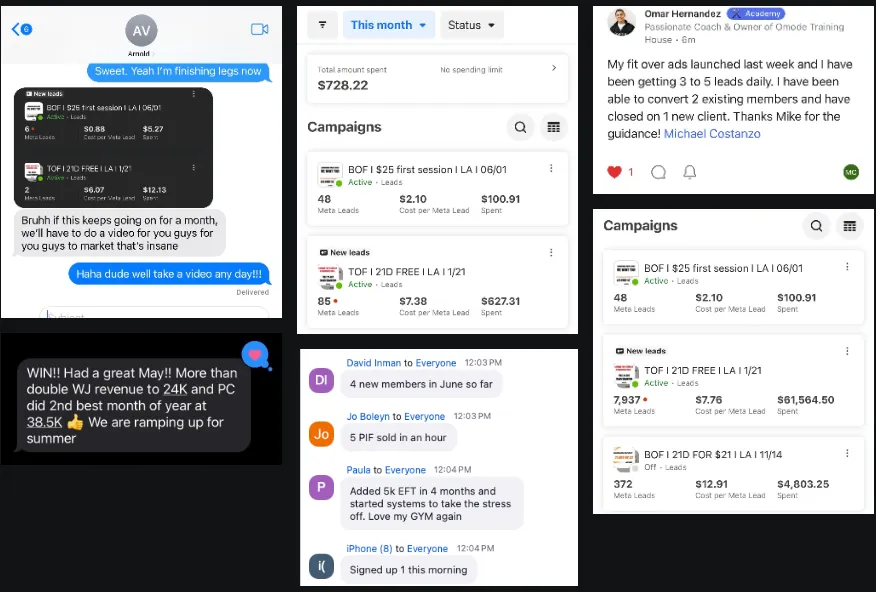
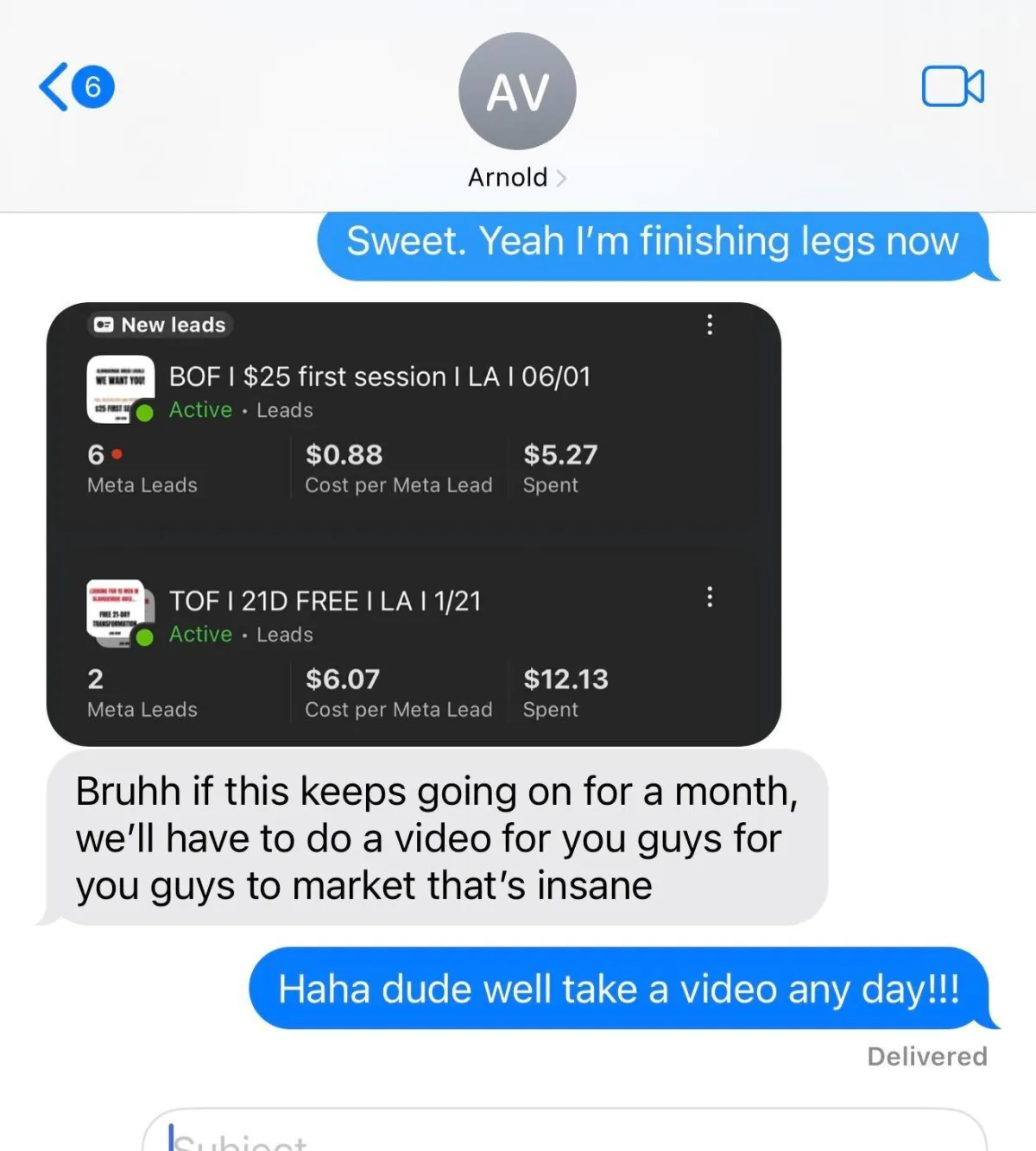
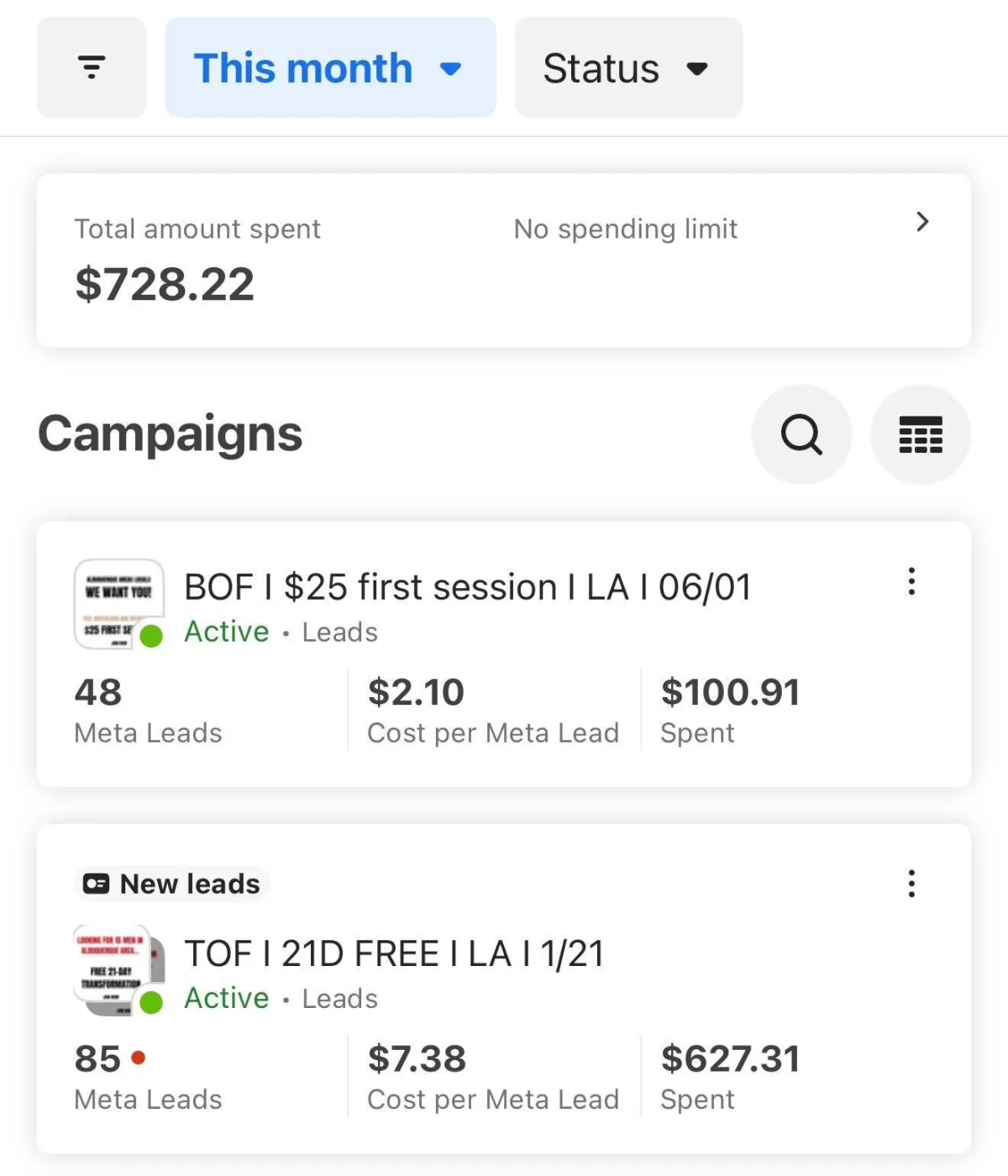
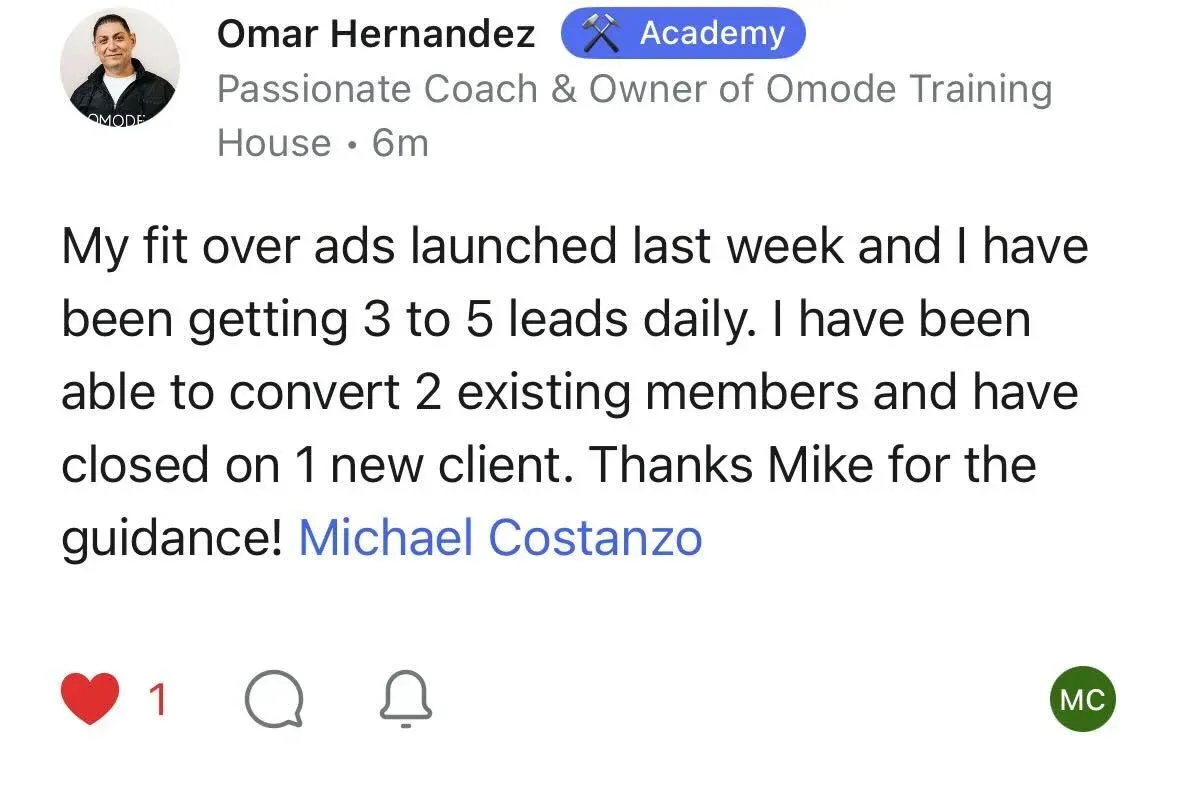
Real results from real gym owners
A new era in gym marketing:
where AI meets client acquisition
Where Less Clients Means More Money
AI is amongst the most disruptive technologies of the last decade. Our proprietary AI marketing and sales system now helps you streamline your business in a way that's never been possible before…
From AI-powered lead nurturing to automated follow-ups, client acquisition & so much more.
500+ Gym Owners & Counting
We're in the business of helping gym owners get the most out of their business while working less.
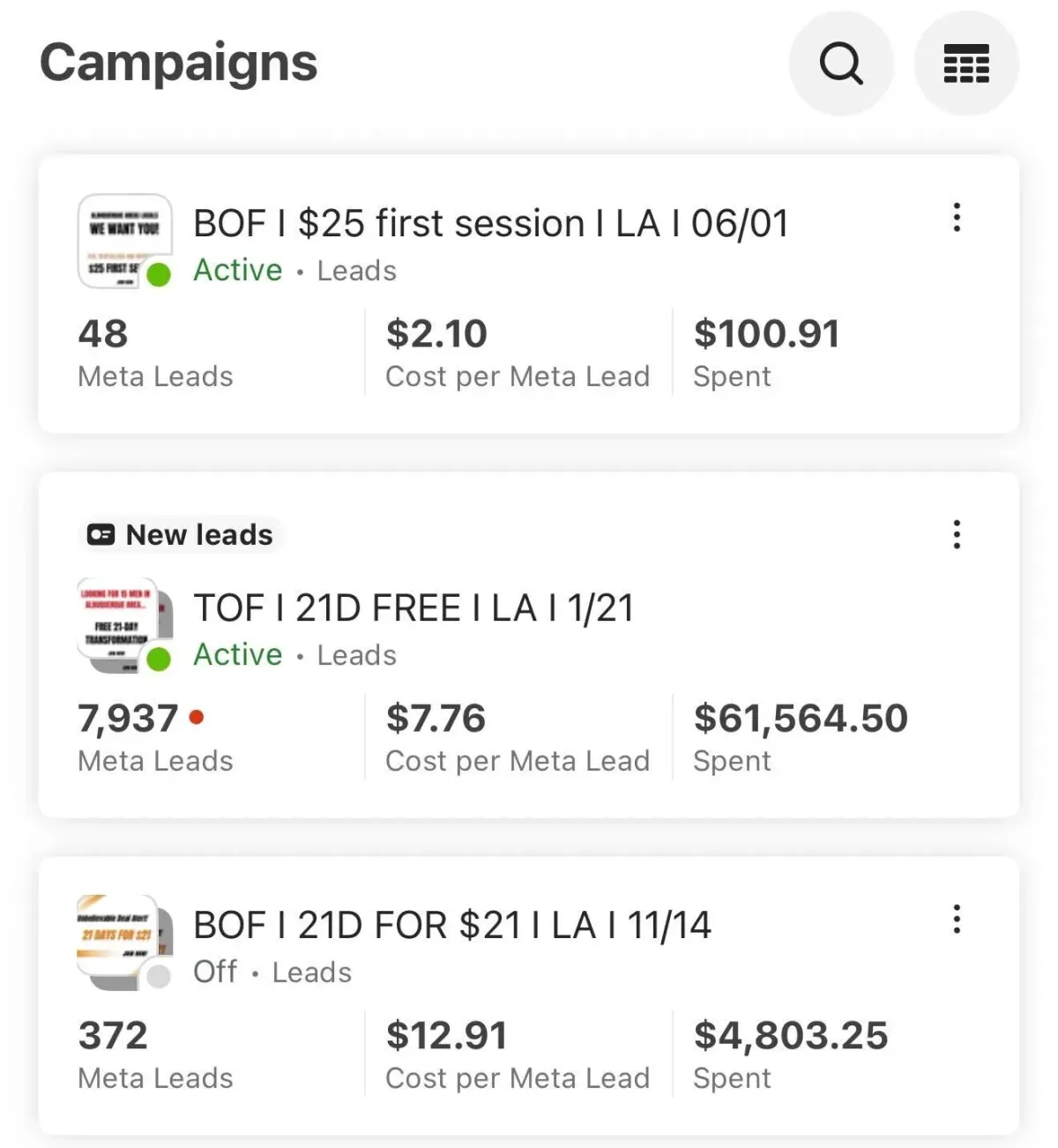

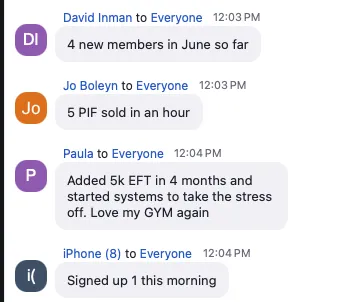
This is a collection of our top reviews from Google.
4.8/5 stars in 100+ reviews

Gym Academy has helped me get a grasp of my business and taught me to operate my personal training and gym in business like an actual business understanding numbers like my ad spend, where my revenue is coming from, where I need to focus my efforts to grow my business, How to assemble a team and manage a team. A lot of stuff I really had no idea about With their help, I’ve taken my gym from 6000 recurring to 21,000 monthly recurring in nine months
I’ve worked in retail, functional medicine, and now as the GM of Temple Fitness since December 2024. I can honestly say working with Gym Academy has completely transformed my approach to leadership and growth. The quality of training and systems they provide is unmatched. Ryan’s sales training compressed years of growth into just months, while Mike helped me bring my onboarding and team-building experience into the gym world. Josh and Bob are down-to-earth, hands-on leaders who empower you to be the best version of yourself and build systems that drive success. I’ve been in the fitness world my whole life but hesitated to make it a career due to industry challenges. Gym Academy has made it possible to thrive—if you’re serious about growing your gym and changing lives, this is where you should invest.
I am thoroughly enjoying the process of growing my gym. The gym academy team is awesome. Everyone that I have worked with has been understanding and caring about the issues with my business while having a solution to solve those problems. I have already made back my investment plus some in a little over 30 days. They teach you how to operate your business properly while increasing income long term. Highly recommend!
They are great if you have a traditional gym. If you are any type of specialty studio there cookie cutter methods do not work well. Be prepared to shell out 10k in your first 30 days. Wouldn’t recommend.
Joining Gym Academy has been a total game-changer for my fitness studio! Six months ago, I was struggling—keeping my doors open was costing me money, and despite trying multiple marketing companies, I wasn’t seeing real growth. What I quickly realized after joining Gym Academy is that running a successful studio is so much more than just good ads. With Bob and the team’s constant guidance (shout out to my CSM, Ryan), I’ve learned how to have effective conversations that actually convert leads into long-term members while keeping attrition low. Mindset is EVERYTHING too. Beyond that, my entire operational structure has been optimized—I’ve eliminated inefficiencies, cut waste, and now run my studio in a way that’s profitable and scalable. The daily Sales and Marketing calls provide invaluable insights, and the community of studio owners supporting each other makes all the difference. If I ever have a challenge, I know I can ask for help, and immediate, actionable advice is always there. I’m no longer alone on an island, trying to figure things out. No more sleepless nights worried if I'm going to make rent or payroll. Joining Gym Academy has been the single most important strategic move I’ve made since opening my doors. If you're a studio owner struggling to grow, don’t wait—this is the place you need to be! 💪🔥 #GameChanger #GymAcademy #StudioSuccess
Gym Academy has been the best experience. As a result I feel in complete control of my business, I have a clear and doable program seriously accelerating the growth of my studio! Ryan Simpson Shares genuine excitement with my wins. It’s been exciting and inspiring and brought new hope and life back into my relationship with my business!
Before joining Gym Academy I was in a desperate spot. I had a great product a beautiful gym and NOT ENOUGH CLIENTS to survive! However, since joining Gym Academy last year my yearly sales DOUBLED. This is a no joke program... no secret sauce, no hidden magic formula, just tried and true sales and marketing training that will get you a reliable stream of clients so you can finally have the gym of your dreams!

"LITERALLY SAVED MY GYM AND MY SANITY"
. Felicia B.
Gym Academy's Blog

Gym Pricing Strategy: How to Increase Revenue Without Losing Members
Gym Pricing Strategy: How to Increase Revenue Without Losing Members
Most gym owners price their memberships between $100-200 per month and accept thin margins as normal. The problem isn't that gyms can't charge more. It's that they compete on price instead of value, which trains their market to shop for the cheapest option. Smart gym pricing focuses on perceived value, clear outcomes, and structured tiers that let clients choose their level of investment.
A proper gym pricing strategy can increase revenue 30-50% without losing members. The key is understanding value-based pricing, structuring offers that justify premium rates, and knowing exactly when and how to raise prices. Gyms using the Offer Codex framework from Gym Academy consistently charge 40-60% more than competitors while maintaining 85%+ retention rates.
The Broken Gym Pricing Model (Why Competing on Price Kills Profit)
Walk into most gyms and you'll see the same pricing mistake repeated everywhere: $99 per month for unlimited access. Maybe $79 if they're running a promotion. Sometimes $149 if they're feeling bold. The pricing is arbitrary, based on what other gyms charge, not what the service is actually worth.
This race to the bottom destroys profitability and attracts the wrong clients.
Here's what competing on price actually does:
It trains your market to shop for deals. When you advertise "$19 for the first month," you're telling prospects that price matters most. The people who respond are price-sensitive. They'll leave when another gym offers $15. You've built your entire business around attracting people who don't value your service enough to pay full price.
It prevents investment in service quality. At $99 per month with 150 members, you're generating $14,850 in monthly revenue. After rent, equipment, insurance, utilities, and payroll, there's nothing left for improvements. You can't hire better coaches. You can't upgrade equipment. You can't create a premium experience. Your pricing forces you to deliver mediocre service.
It makes every conversation about cost. When prospects ask "how much?" and you say a low number, they still negotiate down. That's because low prices signal low value. If you're only charging $79, prospects assume the service isn't worth much. They'll ask for discounts, trial periods, and special deals. You've positioned yourself as the budget option, and budget options get treated like commodities.
The math that kills gyms:
A gym charging $99 per month needs 152 members to generate $15,000 monthly revenue. At 40% overhead (rent, utilities, insurance, equipment), that leaves $9,000 for payroll and profit. If you have three coaches at $3,000 each, you're at breakeven. No profit. No room for growth. No ability to weather slow months.
A gym charging $179 per month needs 84 members to generate the same $15,000. Same overhead costs, same payroll requirements, but now you're serving fewer clients with more attention per person. The business is more profitable and more sustainable.
The difference isn't service quality. Both gyms might offer similar workouts, similar equipment, and similar coaching. The difference is positioning and pricing strategy.
Understanding Value-Based Pricing for Gyms
Value-based pricing means setting prices based on the outcomes you deliver, not the costs you incur or what competitors charge. A gym membership isn't worth $150 because of equipment access. It's worth $150 because it helps someone lose 30 pounds, deadlift 300, or feel confident at the beach.
What value-based pricing looks like:
You price based on transformation, not time. A 12-week fat loss program that helps someone drop 20 pounds is worth more than "unlimited gym access." The program has a specific outcome and timeline. The membership is open-ended and vague. One justifies premium pricing. The other doesn't.
You segment pricing by commitment and results. Semi-private training that includes nutrition coaching, weekly check-ins, and accountability is worth more than group classes. Both are valuable. They serve different clients with different needs and different budgets. Your pricing should reflect that.
You anchor prices to alternatives. Personal training at other facilities runs $80-150 per session. If your semi-private training offers similar attention at $300 per month (roughly $75 per session with weekly training), you're delivering tremendous value compared to the alternative. Frame your pricing against higher-priced options, not lower-priced commodity gyms.
The value equation:
Perceived value = (Dream outcome × Likelihood of success) / (Time investment × Effort required)
Increase the dream outcome: "Lose 20 pounds and fit into your favorite jeans" beats "get in shape."
Increase likelihood of success: "93% of clients who complete the program lose 15+ pounds" beats generic promises.
Decrease time investment: "Train 3x per week for 30 minutes" beats "you'll need to live in the gym."
Decrease effort required: "We handle your workout programming and nutrition" beats "figure it out yourself."
When you improve any part of this equation, you can charge more because the perceived value increases.
How to Structure Your Membership Tiers
Single pricing is a mistake. Not everyone wants the same service level or can afford the same investment. Tiered pricing lets clients self-select based on their goals, budget, and desired level of support.
Here's a proven three-tier structure that works for most gyms:
Tier 1: Group Classes ($149-199/month)
This is your entry-level offering for people who want structured workouts without personalized attention. They get access to scheduled group classes, basic programming, and community support. This tier should represent 50-60% of your membership base.
What's included:
Unlimited group classes
Monthly body composition testing
Access to online workout library
Community app access
This tier exists to fill classes and build community. It's profitable at scale but shouldn't be your focus for growth.
Tier 2: Semi-Private Training ($299-399/month)
This is your core offering for clients who want accountability, personalization, and results. Small group training (3-6 people) with customized programming and regular coach interaction. This tier should represent 30-40% of your membership base and drives most of your profit.
What's included:
12 semi-private sessions per month
Customized programming based on goals
Nutrition coaching and meal planning
Weekly check-in calls
Priority scheduling
All Tier 1 benefits
This tier delivers the best combination of high perceived value and profitable unit economics.
Tier 3: Private Training ($599-899/month)
This is your premium offering for clients who want maximum attention and fastest results. One-on-one training with your best coaches, comprehensive support, and accountability. This tier should represent 10-15% of your membership base and provides highest per-member revenue.
What's included:
12 private training sessions per month
Fully customized programming
Daily nutrition accountability
Supplement recommendations
Body composition testing every two weeks
Unlimited text/email coach access
All Tier 2 and Tier 1 benefits
This tier attracts serious clients who understand that premium investment produces premium results.
Pricing tier comparison:

With 100 members distributed across these tiers (55 group, 35 semi-private, 10 private), monthly revenue hits $29,305. That's nearly double what you'd generate charging everyone $149.
Creating High-Ticket Offers That Sell
High-ticket offers ($500-2,000+) scare most gym owners. They assume nobody will pay premium prices for fitness services. But the gyms charging premium rates aren't selling gym memberships. They're selling transformations with guaranteed outcomes.
What makes a high-ticket offer work:
Clear, specific outcome. "Lose 20 pounds in 12 weeks" sells better than "get in shape." Specific outcomes justify specific prices. Vague promises get vague commitments.
Defined timeline. Programs with start and end dates create urgency and commitment. A 12-week program costing $1,497 feels more achievable than an ongoing $399/month commitment, even though the total investment is similar.
Comprehensive support. High-ticket offers include everything needed for success: training, nutrition, accountability, supplementation guidance, and progress tracking. When you remove all excuses for failure, people pay premium prices.
Risk reversal. Money-back guarantees reduce buying risk. "Complete all 36 sessions and if you don't lose at least 15 pounds, we'll refund your investment" shows confidence in your program and removes the biggest obstacle to buying.
Example: The 12-Week Transformation Program
One gym owner restructured pricing around a $1,497 transformation program instead of monthly memberships. The program includes:
36 personal training sessions (3x per week)
Customized nutrition plan and weekly adjustments
Daily accountability check-ins via app
Supplement recommendations and guidance
Body composition testing every two weeks
Money-back guarantee if following the program
Results: 63% of prospects who inquire purchase the program. 78% of completers continue as ongoing private training clients at $699/month. Average client lifetime value jumped from $1,800 to $7,200.
The pricing strategy didn't change the service. It changed how the service was packaged and presented. Framing fitness as a 12-week transformation with guaranteed outcomes justifies premium pricing in ways that "unlimited gym access" never can.
The Offer Codex: Framework for Pricing Strategy
The Offer Codex is a systematic approach to designing offers that clients want to buy at prices that generate real profit. Instead of arbitrary pricing based on competitors, this framework builds offers that justify premium rates through strategic design.
Component 1: Outcome Clarity
What specific result will the client achieve? Vague outcomes like "get healthier" don't command premium prices. Specific outcomes like "deadlift 300 pounds" or "lose 25 pounds and fit into your wedding dress" justify higher investment.
Your offer needs measurable outcomes that clients can visualize achieving. The more specific and meaningful the outcome, the more valuable the offer.
Component 2: Timeline Definiteness
How long will it take to achieve the outcome? Programs with clear timelines (6 weeks, 12 weeks, 16 weeks) convert better than open-ended commitments. Clients can see the finish line and commit to the journey.
The timeline needs to be realistic for the promised outcome. Promising 30 pounds of fat loss in 6 weeks isn't believable. Promising 15-20 pounds is realistic and achievable, which builds trust.
Component 3: Effort Transparency
What will the client need to do? Be specific about training frequency, nutrition requirements, and time commitment. Hiding the effort required leads to buyer's remorse and early cancellations.
When you're honest about the work involved, you attract committed clients who understand what success requires. These clients stay longer and achieve better results.
Component 4: Support Inclusion
What support do you provide to ensure success? Training alone isn't enough. Clients need nutrition guidance, accountability, progress tracking, and problem-solving when obstacles arise.
The more comprehensive your support, the higher your justified price point. This is why private training costs more than group classes even though both provide workouts. The support level differs dramatically.
Component 5: Risk Removal
What happens if the client doesn't achieve results? Guarantees, refunds, and service extensions remove buying risk. Most gym owners fear guarantees, but clients who follow proven programs consistently achieve results. Your guarantee should protect against program failure, not client non-compliance.
Applying the Offer Codex:
Instead of: "Monthly gym membership - $149"
Create: "12-Week Strength Building Program - $1,197"
Outcome: Add 50+ pounds to your major lifts (squat, deadlift, bench press)
Timeline: 12 weeks with specific progression plan
Effort: Train 4x per week, follow provided nutrition targets
Support: Weekly coaching calls, form video reviews, 24/7 text support
Risk removal: If you complete all sessions and don't add 40+ pounds to at least two lifts, receive 4 additional weeks free
The second offer justifies 2.6x higher pricing for the same 3-month period because it's structured around the Offer Codex framework.
When and How to Raise Prices Without Attrition
Price increases scare gym owners more than almost any business decision. You're worried members will cancel. You're worried you'll lose goodwill. You're worried new sales will become harder. These fears keep gym owners underpricing for years.
Here's the reality: if you haven't raised prices in 12+ months, you're leaving money on the table. Costs increase annually. Your coaching improves with experience. Your service becomes more valuable. Your pricing should reflect that growth.
When to raise prices:
After improving your service. If you've added nutrition coaching, upgraded equipment, hired better coaches, or enhanced your facility, raise prices. You're delivering more value. Price should match value.
When your market will support it. If local competitors charge $200 and you charge $129, you have room to increase. Don't be the cheapest option in your market. Be the best value.
When retention is strong. If members are staying 12+ months on average, they see value in your service. They'll accept reasonable price increases for service they value.
After 12-18 months. Annual increases of 5-10% keep pace with inflation and creeping costs. These small, regular increases are easier to implement than large, infrequent jumps.
How to raise prices without attrition:
Grandfather existing members temporarily. When implementing new pricing, give current members 6-12 months at their current rate. This shows appreciation for their loyalty while moving toward sustainable pricing for new clients. After the grandfather period, increase existing member rates by 50% of the full increase to ease the transition.
Improve service simultaneously. Add something valuable when raising prices. New class times, nutrition coaching access, body composition testing, or enhanced facility. Give members a tangible reason to accept the increase beyond "costs went up."
Communicate value clearly. Don't apologize for price increases. Explain what members get for their investment. Highlight results they've achieved. Remind them of the comprehensive support you provide. Frame the increase as continued investment in delivering value.
Offer payment plan options. If raising monthly rates from $149 to $189, offer a 12-month prepay option at $169/month. This gives price-sensitive members a choice while moving toward new pricing for most clients.
Be firm and confident. Some members will threaten to cancel. Most won't. Stand firm on your pricing. If you've delivered great service and the increase is reasonable, most members will accept it. The few who leave over a 10-15% increase weren't your ideal long-term clients anyway.
Example: Implementing a 20% price increase
A gym charging $149/month decided to raise rates to $179. Here's the approach:
Announced 60 days in advance
Grandfathered existing members at $149 for 6 months
Added nutrition coaching access and monthly body composition testing
After 6 months, increased existing member rates to $164 (splitting the difference)
New members joined at $179
Result: 3 members (out of 112) cancelled. 109 members accepted the increase. New member acquisition continued at similar rates. Monthly revenue increased from $16,688 to $18,476, an additional $21,456 annually with virtually no attrition.
Pricing Psychology for Gym Owners
How you present prices affects buying decisions as much as the actual numbers. Understanding pricing psychology helps you structure offers that convert better without changing your service.
Charm pricing ($99, $149, $299): Prices ending in 9 or 7 feel lower than round numbers. $149 feels noticeably cheaper than $150 even though the difference is one dollar. This works for group memberships and mid-tier offerings. Avoid charm pricing for premium services where round numbers suggest quality.
Price anchoring: Present your most expensive option first. When prospects see $699/month private training before $299/month semi-private, the semi-private feels like a bargain. If you show prices low-to-high, everything feels expensive relative to the cheapest option.
Decoy pricing: Create a middle option that makes your preferred tier look appealing. If you want people to buy semi-private at $299, offer group classes at $179 and private training at $599. The middle option becomes "just right" compared to the extremes.
Payment framing: "$10 per day" sounds cheaper than "$300 per month" even though they're identical. For high-ticket offers, break down pricing into daily or per-session costs to reduce sticker shock. "Just $40 per personal training session" sounds more reasonable than "$1,497 for 12 weeks."
Urgency and scarcity: "Only 3 spots available in this training group" or "Program starts March 1st" creates urgency. When prospects can join anytime, they defer the decision indefinitely. Limited availability or specific start dates force decision-making.
Value stacking: Show everything included in your offer with individual values. "Personal training ($1,200 value) + Nutrition coaching ($400 value) + Weekly accountability ($200 value) = $1,800 total value, yours for $299/month." This makes the price feel like a discount even though the "values" are arbitrary.
Contrast principle: Compare your pricing to more expensive alternatives. "Private trainers charge $100+ per session. Our semi-private training gives you similar attention for $25 per session." This anchors your pricing against higher-priced options rather than commodity gym memberships.
Getting clients involves creating the right acquisition systems. Learn more about systematic client acquisition in our guide on how to get more gym clients.
Real Examples: Gym Pricing That Works
Example 1: CrossFit Box Restructure
A CrossFit gym was stuck at $125/month for unlimited classes. Average member stayed 8 months. Total lifetime value: $1,000.
New pricing structure:
Foundations Program: $397 (6 weeks of fundamentals training)
Unlimited Classes: $179/month
Competition Track: $249/month (includes Olympic lifting sessions)
Private Coaching: $599/month
Results after restructuring:
73% of new members started with Foundations Program
68% continued to unlimited classes after foundations
Average membership price increased from $125 to $187
Member retention improved to 14 months
Lifetime value jumped from $1,000 to $2,618
The pricing change didn't add services. It restructured existing services into offers that clients valued more highly.
Example 2: Boutique Studio Premium Positioning
A boutique fitness studio competing against budget gyms decided to position as a premium option instead of trying to match discount pricing.
Old pricing: $99/month unlimited classes New pricing: $329/month comprehensive program
New program included:
Unlimited small group classes (max 8 people)
Monthly personal training session
Nutrition coaching and meal planning
Body composition testing every 4 weeks
Private member app with workout tracking
The owner worried members would leave when tripling prices. Reality: 82 of 94 members upgraded to the new pricing. The 12 who left were replaced within 8 weeks at the higher rate.
Monthly revenue jumped from $9,306 to $26,978 with fewer total members but more attention per person.
Example 3: Adding High-Ticket Transformation Programs
A gym with standard monthly memberships added a 16-week transformation program at $2,497. The owner expected maybe 5-10 people per year would buy it.
The program included:
48 personal training sessions (3x per week)
Comprehensive nutrition plan with weekly adjustments
Daily check-ins and accountability
Supplement protocol
Before/after photos and measurements
Money-back guarantee (complete all sessions, follow nutrition plan, achieve less than 12 pounds of fat loss)
First year results: 27 clients purchased the transformation program. Zero requested refunds. Average fat loss: 22 pounds. 24 of 27 continued as ongoing training clients after completion.
Revenue from transformation programs alone: $67,419. These were mostly new clients who wouldn't have joined at standard monthly rates. The high-ticket offer attracted a different buyer who valued guaranteed results over cheap access.
Frequently Asked Questions
What should gym membership pricing be?
Gym membership pricing should be based on the value you deliver, not what competitors charge. Group classes typically range from $149-249 per month. Semi-private training ranges from $299-449 per month. Private training ranges from $599-999 per month. Your specific pricing depends on your market, service quality, and positioning. The key is pricing based on outcomes delivered rather than competing on the lowest rate.
How do I know if my gym pricing is too low?
Your gym pricing is too low if you're consistently at capacity with waitlists, working 60+ hour weeks without profit, unable to afford quality coaches or equipment upgrades, or attracting price-sensitive clients who negotiate on everything. If prospects rarely object to price or competitors charge 30%+ more for similar services, you have room to increase rates.
When is the best time to raise gym prices?
The best time to raise gym prices is after improving service quality, when retention rates are strong (12+ months average), or 12-18 months since your last increase. Avoid raising prices during typically slow months (January, September) when acquisition is already easier. Implement increases in February-March or October-November when you're not relying heavily on new member growth.
How much should I charge for semi-private training?
Semi-private training should be priced at $299-449 per month for 12 sessions (3x per week). This pricing is 2-3x higher than group classes but 40-50% lower than private training, making it the sweet spot for clients who want personalized attention without premium private rates. Include nutrition coaching and accountability to justify pricing at the higher end of this range.
Will I lose members if I raise prices?
You will lose some members when raising prices, but typically far fewer than expected. Price increases of 10-15% result in 2-5% attrition if implemented properly with advance notice and service improvements. The revenue gained from remaining members far exceeds revenue lost from departures. Members who leave solely due to modest price increases weren't your ideal long-term clients anyway.
What is the Offer Codex framework?
The Offer Codex framework is a systematic approach to pricing strategy that designs offers around five components: outcome clarity (specific results), timeline definiteness (clear duration), effort transparency (required commitment), support inclusion (comprehensive assistance), and risk removal (guarantees). This framework helps gym owners create high-converting offers that justify premium pricing through strategic design rather than competing on lowest price.
Should I offer discounts or promotions?
Avoid regular discounts and promotions as they train your market to wait for deals rather than joining at full price. Limited promotions work for specific situations: first-time member acquisition campaigns, founding member rates when opening, or annual commitment discounts (save 10% by prepaying 12 months). Never discount based on individual negotiation as this erodes pricing integrity and creates resentment among full-paying members.
Ready to implement a pricing strategy that increases revenue without losing members? Gym Academy helps gym owners develop value-based pricing and high-ticket offers that command premium rates while maintaining strong retention. Book your Demo Call Here

Frequently Asked Questions
Who is your gym consulting program for?
Our gym consulting is specifically for gym owners across the US who have a solid service but are stuck in the operational grind. We help transition owner-operators into CEOs ready for scalable gym business growth.
How quickly will I see a gym profit increase?
You will see immediate organizational improvements. Most clients experience a measurable gym profit increase within the first 90 days by implementing our sales conversion and pricing strategies.
Is this focused on a specific gym type (CrossFit, F45, etc.)?
No. Our gym owner coaching systems are format-agnostic. We focus on universal business principles (marketing, sales, operations) that drive success, whether you run a HIIT studio, a strength facility, or a yoga studio.
What is the first step to starting your gym consulting program?
The first step is to book a Free Growth Strategy Session so we can diagnose your current bottlenecks (Acquisition, Retention, or Systems) and provide an actionable plan for gym business growth.
What is the biggest difference between Gym Academy and other consultants?
The difference is hands-on implementation and proprietary technology. Most consultants provide information and then disappear. We actively build and install your lead-generation and automation systems while providing the gym owner coaching to manage your profitable business. We provide results, not just homework.
Can your system help me scale to multiple locations?
Absolutely. Our system is built on the blueprint for gym business growth and multi-location scalability.
Do you help with pricing and profitability strategy?
Yes. A core focus of our gym consulting is helping you achieve a guaranteed gym profit increase. We analyze your current pricing and structure your offers to maximize client lifetime value and profitability


