
Ready To Grow Your Gym?
Ready To
Grow Your Gym?
We help gym owners grow and scale their gyms to make more money. Book a demo to find out how our Flywheel Attraction System can help you get more members and work less hours
Stop Trading Time for Money. Start Building an Asset.
WHERE
GYMS MEET PROFITABILITY
Welcome to Gym Academy. We specialize in transforming passionate gym owners into profitable CEOs. Many gym owners get stuck in the 'owner-operator' trap, working 60 hours a week just to pay the bills. We launched Gym Academy to change that. We deliver real, no-fluff strategies that move you out of the day-to-day grind and turn your facility into a scalable, high-profit asset.
Join the program that has helped hundreds of gym owners scale their business
Our method makes marketing and client acquisition accessible to any gym owner, even those who've failed with other programs!
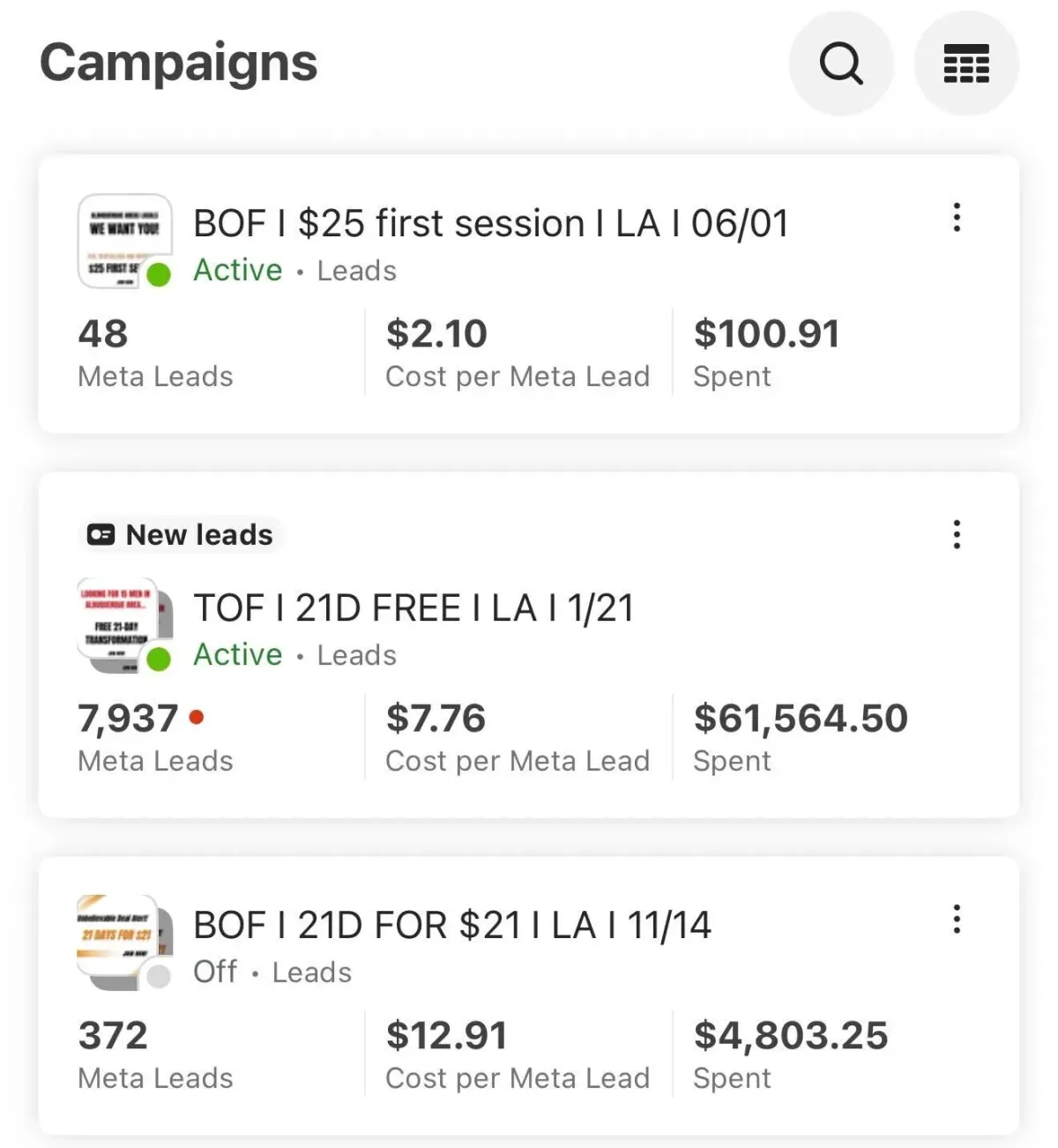
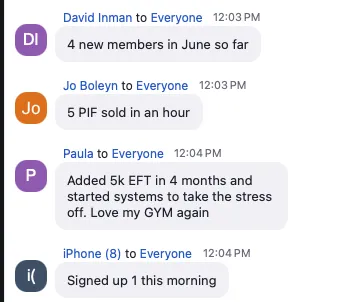
Real results from real gym owners
A new era in gym marketing:
where AI meets client acquisition
Where Less Clients Means More Money
AI is amongst the most disruptive technologies of the last decade. Our proprietary AI marketing and sales system now helps you streamline your business in a way that's never been possible before…
From AI-powered lead nurturing to automated follow-ups, client acquisition & so much more.
500+ Gym Owners & Counting
We're in the business of helping gym owners get the most out of their business while working less.
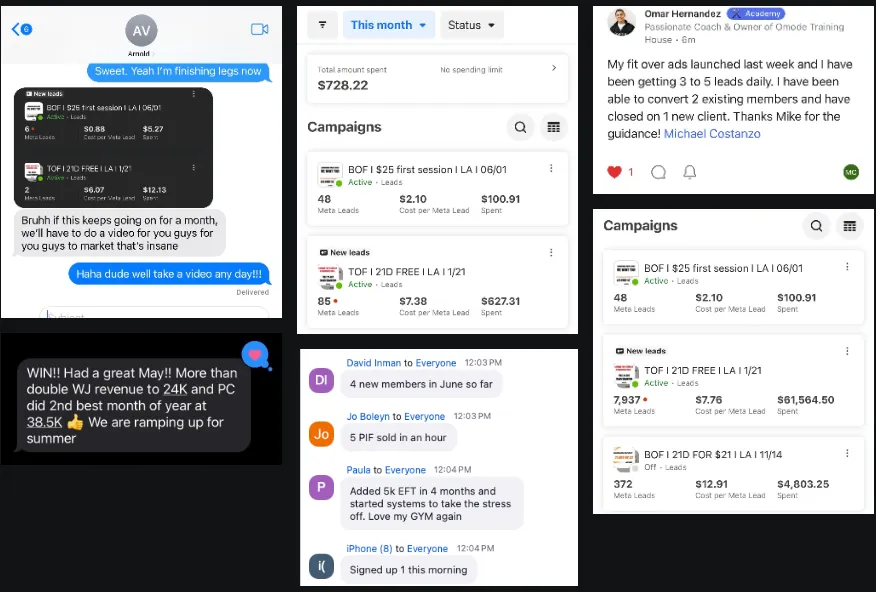
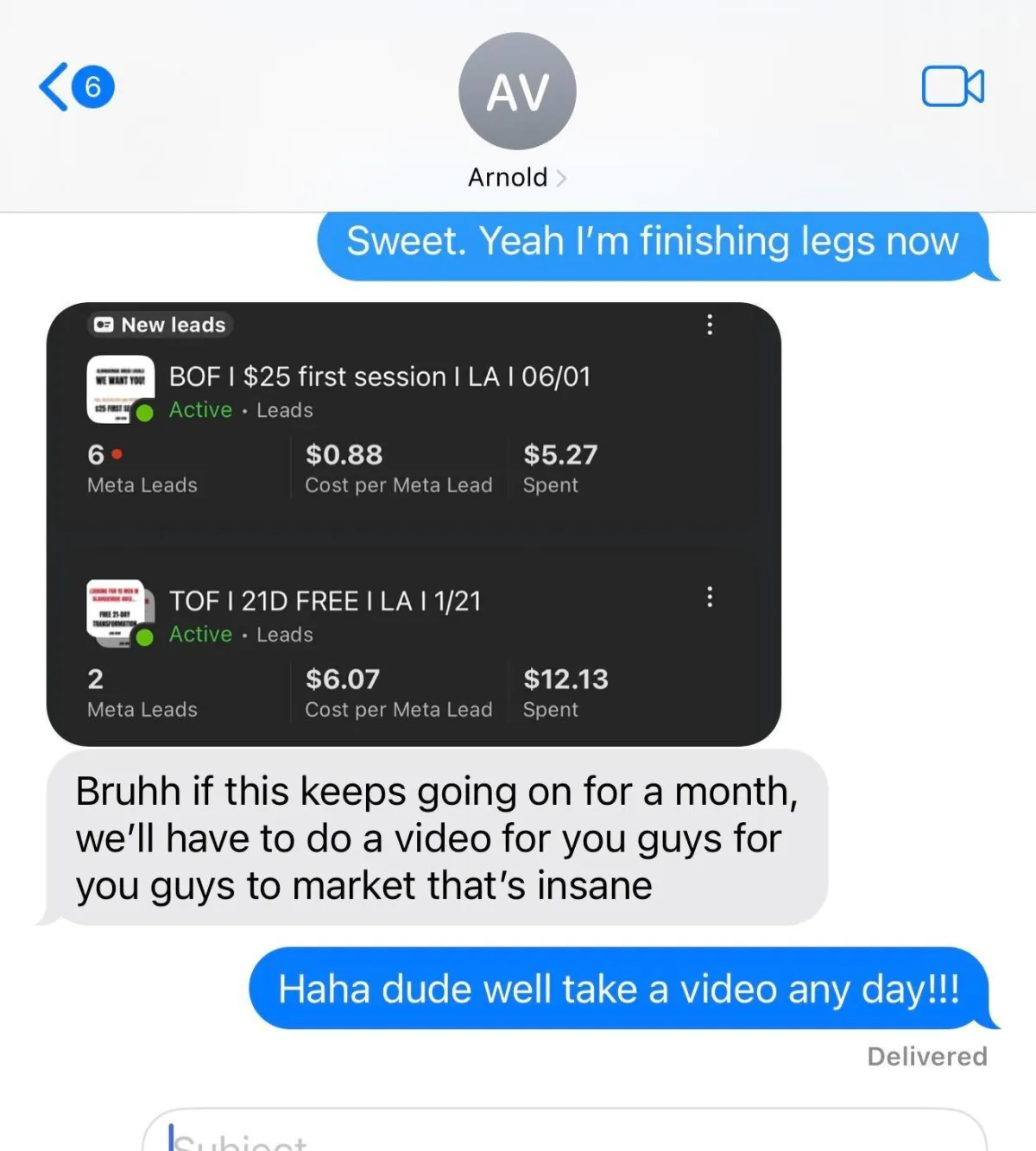
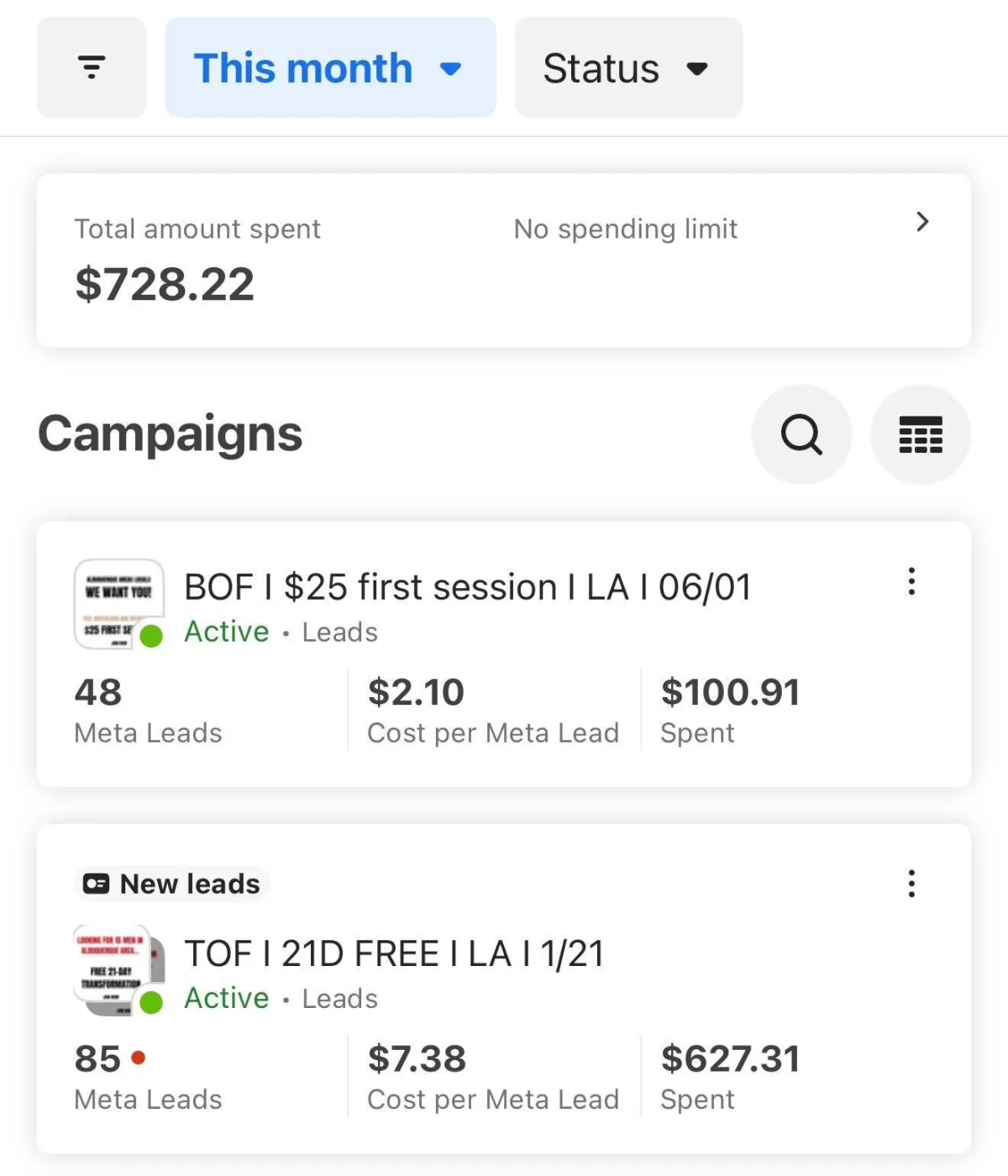
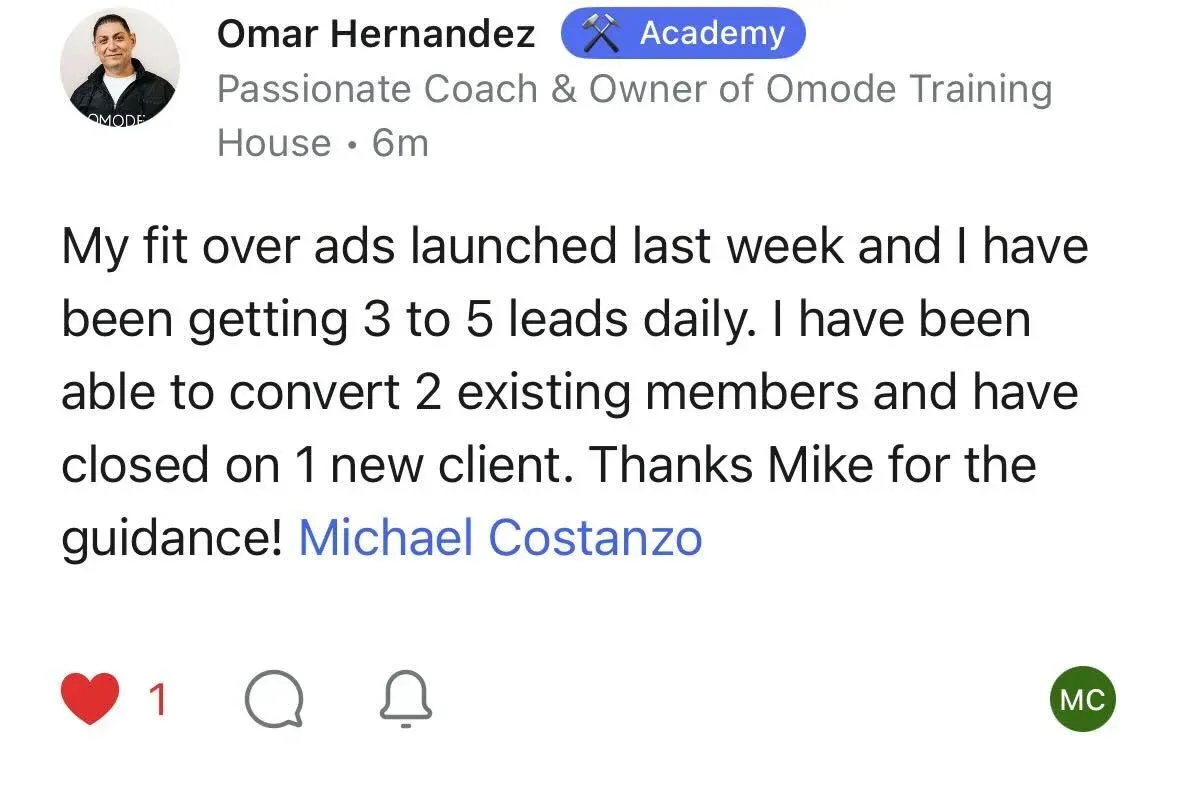

This is a collection of our top reviews from Google.
4.8/5 stars in 100+ reviews

Gym Academy has helped me get a grasp of my business and taught me to operate my personal training and gym in business like an actual business understanding numbers like my ad spend, where my revenue is coming from, where I need to focus my efforts to grow my business, How to assemble a team and manage a team. A lot of stuff I really had no idea about With their help, I’ve taken my gym from 6000 recurring to 21,000 monthly recurring in nine months
I’ve worked in retail, functional medicine, and now as the GM of Temple Fitness since December 2024. I can honestly say working with Gym Academy has completely transformed my approach to leadership and growth. The quality of training and systems they provide is unmatched. Ryan’s sales training compressed years of growth into just months, while Mike helped me bring my onboarding and team-building experience into the gym world. Josh and Bob are down-to-earth, hands-on leaders who empower you to be the best version of yourself and build systems that drive success. I’ve been in the fitness world my whole life but hesitated to make it a career due to industry challenges. Gym Academy has made it possible to thrive—if you’re serious about growing your gym and changing lives, this is where you should invest.
I am thoroughly enjoying the process of growing my gym. The gym academy team is awesome. Everyone that I have worked with has been understanding and caring about the issues with my business while having a solution to solve those problems. I have already made back my investment plus some in a little over 30 days. They teach you how to operate your business properly while increasing income long term. Highly recommend!
They are great if you have a traditional gym. If you are any type of specialty studio there cookie cutter methods do not work well. Be prepared to shell out 10k in your first 30 days. Wouldn’t recommend.
Joining Gym Academy has been a total game-changer for my fitness studio! Six months ago, I was struggling—keeping my doors open was costing me money, and despite trying multiple marketing companies, I wasn’t seeing real growth. What I quickly realized after joining Gym Academy is that running a successful studio is so much more than just good ads. With Bob and the team’s constant guidance (shout out to my CSM, Ryan), I’ve learned how to have effective conversations that actually convert leads into long-term members while keeping attrition low. Mindset is EVERYTHING too. Beyond that, my entire operational structure has been optimized—I’ve eliminated inefficiencies, cut waste, and now run my studio in a way that’s profitable and scalable. The daily Sales and Marketing calls provide invaluable insights, and the community of studio owners supporting each other makes all the difference. If I ever have a challenge, I know I can ask for help, and immediate, actionable advice is always there. I’m no longer alone on an island, trying to figure things out. No more sleepless nights worried if I'm going to make rent or payroll. Joining Gym Academy has been the single most important strategic move I’ve made since opening my doors. If you're a studio owner struggling to grow, don’t wait—this is the place you need to be! 💪🔥 #GameChanger #GymAcademy #StudioSuccess
Gym Academy has been the best experience. As a result I feel in complete control of my business, I have a clear and doable program seriously accelerating the growth of my studio! Ryan Simpson Shares genuine excitement with my wins. It’s been exciting and inspiring and brought new hope and life back into my relationship with my business!
Before joining Gym Academy I was in a desperate spot. I had a great product a beautiful gym and NOT ENOUGH CLIENTS to survive! However, since joining Gym Academy last year my yearly sales DOUBLED. This is a no joke program... no secret sauce, no hidden magic formula, just tried and true sales and marketing training that will get you a reliable stream of clients so you can finally have the gym of your dreams!

"LITERALLY SAVED MY GYM AND MY SANITY"
. Felicia B.
Gym Academy's Blog

How to Scale a Gym Business Beyond $50K Per Month
How to Scale a Gym Business Beyond $50K Per Month
Scaling a gym business beyond $50K per month requires systematic improvements across acquisition, retention, and pricing rather than just getting more members. Most gyms plateau at $30-40K monthly because owner capacity becomes the bottleneck and systems break down under increased volume. Breaking through requires building operations that function without constant owner involvement, hiring strategically, and tracking specific metrics that predict growth.
The path from $20K to $80K monthly revenue involves three distinct phases: building reliable acquisition systems that generate 30-50 qualified leads monthly, implementing retention systems that keep members 18+ months instead of 6-8 months, and optimizing pricing to capture full value through tiered offerings and premium programs. Gyms working with Gym Academy consistently scale from $20-40K to $60-100K monthly within 12-18 months by building these systems sequentially rather than trying to grow through harder work alone.
Why Most Gyms Plateau at $30-40K Per Month
The $30-40K plateau happens at almost every gym. Revenue grows steadily from startup through this range, then suddenly stops. Working harder doesn't help. Marketing more doesn't move the needle. The gym feels stuck.
The owner becomes the bottleneck.
At $20K monthly, one person can handle everything. Sales, marketing, training, operations, and customer service. It's exhausting but manageable. At $30-40K, one person can't do it all. The owner becomes the constraint limiting growth.
Every decision flows through the owner. Every problem requires owner attention. Every customer interaction depends on owner availability. There aren't enough hours in the day to handle increased volume.
New members join but the owner can't onboard them properly. Marketing generates leads but the owner can't follow up quickly. Members need attention but the owner is too busy with operations. Quality declines under the volume, which slows growth.
Systems break down under increased load.
The informal processes that worked at small scale fail at larger scale. "I'll remember to follow up with that lead" works with 5 leads per week. It fails with 30 leads per week. Leads fall through cracks.
Manual scheduling that worked with 50 members becomes chaos with 150 members. Class sizes become unbalanced. Members can't get their preferred times. Frustration builds.
Financial tracking that was simple at $15K monthly becomes impossible to manage at $40K without proper systems. You're not sure exactly where money is going or whether you're actually profitable.
The business model doesn't support the next level.
At $30K monthly with typical gym economics, you're generating roughly $12-15K in profit. That's not enough to hire experienced managers or invest in proper systems. You're trapped between doing everything yourself and being able to afford help.
Your pricing structure optimized for startup phase doesn't generate enough margin for growth. Charging $99/month worked when you had low overhead and few staff. At scale, that pricing can't support quality coaching, proper facilities, and team development.
Your service delivery model doesn't scale. If you're personally training every client, you hit capacity around 30-40 training hours per week. Revenue caps at your personal capacity.
Fear of delegation creates paralysis.
Many gym owners hit the plateau and recognize they need help. But they're scared to hire because bad hires are expensive and they don't trust anyone to care about the business like they do.
So they keep doing everything themselves while revenue stays flat. They work harder, burn out faster, and growth stalls completely.
The transition required:
Breaking through $30-40K requires fundamental transition from owner-operator to CEO. You stop doing everything and start building systems that allow others to do it. You stop being the best trainer and start being the best business builder.
This transition feels risky. Systems might fail. Staff might underperform. Quality might suffer temporarily. Most gym owners avoid this discomfort, which is why most gyms stay stuck.
The gyms that break through embrace this transition. They accept that systems won't be perfect initially. They train staff who won't do things exactly their way. They delegate responsibilities even though it feels uncomfortable. And they grow past the plateau.
The Three Growth Levers (Acquisition, Retention, Pricing)
Three variables determine revenue: how many new members you acquire, how long members stay, and how much they pay. Improving all three simultaneously creates exponential growth.
Lever 1: Acquisition
Acquisition is how many new members join monthly. Moving from 8 new members per month to 15 new members per month increases annual growth by 84 members.
But acquisition improvements are expensive. Each new member costs money to acquire through marketing. And if retention is weak, you're just replacing cancellations with new members. Fix retention before scaling acquisition.
Most gyms focus here first because it's visible and measurable. "Get more members" feels like the obvious path to growth. But acquisition alone rarely breaks plateaus.
Acquisition improvements that scale gyms:
Generate 30-50 qualified leads monthly through systematic multi-channel approach. This requires proper gym lead generation systems combining paid ads, local search, partnerships, and referrals.
Convert 35-45% of consultations through consultative sales rather than 20-25% through pressure tactics. Better conversion means the same lead volume generates more members.
Reduce cost per member acquisition by improving lead quality and conversion rates. If you're spending $300 per member and improve to $180 per member, the same marketing budget generates 67% more members.
Lever 2: Retention
Retention is how long members stay. Improving average retention from 8 months to 18 months more than doubles lifetime value without acquiring more members.
Retention improvements are nearly free. Once systems are built, keeping existing members costs almost nothing compared to acquiring new ones.
This is where the magic happens. Good retention makes every acquisition dollar more valuable. It reduces the constant pressure to replace cancellations. It creates stability that allows you to focus on growth instead of survival.
Retention improvements that scale gyms:
Reduce cancellations in the first 90 days through systematic onboarding and early wins. This is where most cancellations occur. Fix this window and overall retention improves dramatically.
Build community that creates social connections. Members with gym friends stay 2-3x longer than members who train alone. Intentional community building is the highest-leverage retention tactic.
Implement intervention systems that identify at-risk members before they cancel. Track attendance patterns and reach out when members show cancellation signals. Recovering 30% of at-risk members significantly improves retention.
Lever 3: Pricing
Pricing is how much members pay monthly. Increasing average price from $150 to $220 adds $7,000 monthly revenue with 100 members without acquiring a single additional person.
Pricing improvements have the highest margins. Every dollar of price increase flows directly to profit. No additional costs for delivery. Pure margin expansion.
Yet this is the lever gym owners resist most. They're scared members will leave if prices increase. They're scared they can't sell at higher prices. Most gyms stay underpriced for years.
Pricing improvements that scale gyms:
Structure tiered pricing that serves different client segments at different price points. Group classes at $179, semi-private at $349, private training at $699. Members self-select their tier.
Create high-ticket transformation programs in the $1,000-2,500 range. These programs serve clients who want maximum support and results. Even 5-10 high-ticket clients monthly adds $5,000-15,000 revenue.
Raise prices 5-10% annually for new members. This keeps pace with inflation and cost increases. Grandfather existing members temporarily to show appreciation.
The compound effect:
Improving one lever creates linear growth. Improving two levers creates exponential growth. Improving all three creates explosive growth.
Example: A gym at $30K monthly with 200 members at $150 average price and 10 new members monthly at 50% annual retention.
Improve acquisition to 15 new members monthly: +$90K annual revenue Improve retention from 50% to 75% annual: +$135K annual revenue
Improve average price from $150 to $200: +$120K annual revenue
Total improvement: +$345K annual revenue, taking the gym from $360K to $705K annually. That's from $30K to $58.7K monthly. All three levers working together break through the plateau.
Building Systems That Allow You to Scale
Systems are repeatable processes that produce consistent results without requiring constant owner involvement. Building systems is how you break free from the owner-operator trap and create a business that can grow beyond your personal capacity.
What systems actually are:
Systems are documented processes with clear steps, responsible parties, and quality checks. They're not vague ideas about "how we do things." They're written instructions that anyone can follow to produce the desired outcome.
A sales system documents exactly how leads are generated, nurtured, and converted. It includes scripts for common situations, objection responses, pricing presentations, and follow-up sequences. Anyone trained on the system should be able to convert leads at consistent rates.
A retention system documents how new members are onboarded, how progress is tracked, how community is built, and how at-risk members are identified and re-engaged. Anyone following the system should be able to maintain high retention rates.
An operations system documents how scheduling works, how billing happens, how facility maintenance is handled, and how customer service issues are resolved. Anyone managing operations should be able to keep things running smoothly.
The systems you need to scale:
Marketing system that generates consistent qualified leads through multiple channels. This includes your positioning, lead generation tactics, budget allocation, and measurement frameworks.
Sales system that converts leads at 35-45% through consultative approach. This includes your consultation framework, pricing presentation, objection handling, and follow-up sequences.
Onboarding system that delivers early wins and builds commitment in first 30 days. This includes day-1 process, check-in schedule, progress tracking, and community integration.
Retention system that maintains engagement and prevents cancellations. This includes community building tactics, progress assessment schedule, intervention protocols, and win-back campaigns.
Service delivery system that maintains quality regardless of which coach delivers it. This includes programming templates, coaching standards, feedback processes, and quality control checks.
Operations system that handles scheduling, billing, facilities, and customer service without constant oversight. This includes SOPs for common situations, escalation procedures, and delegation frameworks.
Team system that recruits quality people, trains them effectively, and maintains performance standards. This includes hiring criteria, onboarding processes, ongoing coaching, and recognition programs.
How to build systems without getting overwhelmed:
Start with the highest-pain area. What causes you the most stress or consumes the most time? Build that system first. For most gyms, this is lead generation and sales.
Document what you currently do. Write down every step you take to complete the process. Don't try to make it perfect. Just capture what actually happens now.
Identify what works and what doesn't. Some parts of your current process are great. Others are inefficient or ineffective. Keep the good parts, improve the rest.
Create the improved process with clear steps. Write it as instructions someone else could follow. "When a lead comes in, respond within 5 minutes with this text message..." Specific, actionable steps.
Test the system yourself before delegating. Follow your documented process exactly. Does it work? What's missing? Refine until it produces consistent results.
Train someone else to use it. Give them the documented system and watch them execute it. Where do they get confused? What needs clarification? Update documentation based on their experience.
Measure results and iterate. Does the system produce the outcomes you need? If conversion is too low or quality is inconsistent, adjust the process and test again.
Move to the next system. Once one system is working reliably, build the next one. Don't try to systematize everything at once. Sequential implementation over 6-12 months is realistic.
The timeline for building systems:
Month 1-2: Marketing and sales systems Month 3-4: Onboarding and retention systems Month 5-6: Operations and service delivery systems
Month 7-9: Team and management systems Month 10-12: Refinement and optimization
This sequential approach builds foundation first. You can't scale retention until you have consistent acquisition. You can't delegate operations until you have documented processes. Each system builds on previous ones.
Hiring and Team Development for Growth
You can't scale beyond $40-50K monthly alone. Growth requires building a team that can deliver quality service, handle operations, and eventually manage parts of the business independently.
When to make your first hires:
Your first hire should happen around $20-25K monthly revenue when you're personally maxed out on training capacity. This is typically a coach who can take some training sessions off your plate.
Don't hire too early. Payroll is your biggest fixed cost. Hiring before revenue supports it creates financial stress. But don't wait too long either. Waiting until you're completely burned out means you'll make poor hiring decisions.
The trigger for hiring: You're turning away clients because you're at capacity, or you're so overwhelmed with operations that member experience is suffering.
Your first five hires in order:
Hire 1: Part-time coach (at $20-25K monthly). Takes 8-12 training hours weekly off your plate. Allows you to focus on sales and operations. Cost: $1,500-2,500 monthly.
Hire 2: Full-time head coach (at $30-35K monthly). Handles majority of training delivery and starts managing coach schedules. You focus on business building. Cost: $3,000-4,500 monthly.
Hire 3: Part-time front desk/admin (at $35-40K monthly). Handles member check-ins, answers phones, manages facility cleaning, and basic administrative tasks. Removes operational burden. Cost: $1,200-2,000 monthly.
Hire 4: Sales/member success manager (at $45-50K monthly). Handles lead follow-up, consultations, and member retention. You focus on strategy and team leadership. Cost: $3,000-5,000 monthly plus commissions.
Hire 5: Additional coaches as needed (varies by volume). Add coaching capacity to handle growing membership without quality decline. Cost varies by hours needed.
Hiring criteria that predict success:
Cultural fit matters more than experience. Someone with less coaching experience but strong values and work ethic beats experienced coach with bad attitude. Culture drives long-term retention and team cohesion.
Coachability indicates growth potential. Ask candidates about times they received criticism. How did they respond? People who get defensive or make excuses won't grow. People who implement feedback become your best staff.
Self-motivation determines if they'll take initiative. Look for people who've achieved difficult things independently. Started a business. Competed at high levels. Taught themselves skills. These people don't need constant oversight.
Member-focused mindset predicts member satisfaction. Ask about their coaching philosophy. Do they talk about themselves or about helping others? Member-focused coaches create better experiences and higher retention.
Training systems that develop team quality:
Week 1: Shadow experienced staff during all member interactions. New hires watch how veterans handle consultations, training sessions, member conversations, and problem-solving.
Week 2: Practice core skills with role-playing and feedback. Sales conversations, coaching cues, facility procedures, member service scenarios. Practice until comfortable.
Week 3: Supervised execution with oversight. Handle real member interactions while experienced staff observes and provides feedback. Catch problems while stakes are low.
Week 4: Independent execution with regular check-ins. Staff member operates independently but debriefs daily on challenges and questions. Gradually reduce oversight as competence grows.
Ongoing: Weekly team training on specific skills. Sales techniques, coaching methods, member service, conflict resolution. Continuous improvement through regular training maintains quality.
Retention strategies for keeping good team members:
Pay competitively for your market. You don't need to pay most, but you can't pay least and expect quality retention. Research local coaching rates and match or exceed them.
Create growth paths so people see future opportunity. Assistant coach to head coach to program director to manager. Show people they can build careers, not just take jobs.
Give autonomy and trust once competence is proven. Micromanagement kills motivation. Give clear outcomes you need achieved, then let staff figure out how to achieve them.
Recognize excellent performance publicly and specifically. "Great job" is nice. "The way you handled that difficult member conversation yesterday was excellent. Here's what I noticed you did well..." is powerful.
Address performance issues quickly and directly. Poor performers drag down good performers. Coach to improvement or remove people who don't meet standards. Your best staff will respect decisiveness.
The Numbers You Must Track for Gym Growth
You can't manage what you don't measure. These specific metrics predict growth and help you identify problems before they become crises.
Revenue metrics:
Monthly Recurring Revenue (MRR): Total monthly subscription revenue. This is your baseline. Track monthly to see if you're growing.
Average Revenue Per Member (ARPM): Total MRR divided by member count. This shows if you're capturing full value per member. Should increase over time as you add higher-priced tiers.
New Member Revenue: Revenue from members who joined this month. Shows momentum. Increasing new member revenue indicates growth acceleration.
Acquisition metrics:
Leads Generated: Total inquiries per month across all sources. Need 30-50 qualified leads monthly to scale.
Lead Source Breakdown: How many leads from each channel (ads, referrals, organic, partnerships). Helps you allocate budget effectively.
Cost Per Lead: Marketing spend divided by leads generated. Should be $20-50 for paid channels. Lower is better but quality matters more than cost.
Consultation Rate: Percentage of leads who schedule consultations. Should be 40-60%. Lower indicates lead quality issues.
Consultation Show Rate: Percentage of scheduled consultations who actually show up. Should be 70-80%. Lower indicates poor reminder systems.
Conversion Rate: Percentage of consultations who join. Should be 35-45%. Lower indicates sales process issues.
Cost Per Member: Total acquisition cost divided by new members. Should be 25-35% of lifetime value for healthy unit economics.
Retention metrics:
Monthly Retention Rate: Percentage of members who stay month-to-month. Should be 92-95% (losing only 5-8% monthly). Lower indicates serious retention problems.
Annual Retention Rate: Percentage of members who stay 12+ months. Should be 70-85%. Elite gyms hit 85%+.
Average Member Tenure: How many months the average member stays. Should be 18-24 months for healthy gyms.
Cancellation Rate by Cohort: Track how long each month's new members stay. Helps you identify whether retention improved after implementing new onboarding.
Reasons for Cancellation: Why members say they're leaving. Guides retention improvements. If 40% say "too expensive," you have value communication problem or wrong targeting.
Operational metrics:
Member Capacity: Total members your facility and staff can handle without quality decline. Know your maximum so you plan expansion appropriately.
Coach Utilization Rate: Percentage of available coaching hours filled with paid sessions. Should be 65-75%. Higher risks burnout. Lower indicates inefficient scheduling or underpricing.
Member to Coach Ratio: How many members per full-time coach equivalent. Depends on model (group classes can handle 50:1, semi-private needs 25:1, private training needs 12:1).
Financial metrics:
Gross Revenue: Total income before expenses. Track monthly to see growth.
Net Profit Margin: Profit divided by revenue. Should be 25-35% for healthy gyms. Lower indicates expense problems or underpricing.
Owner Salary: What you pay yourself. Should be separate from profit. As you scale, owner salary should decrease as percentage of revenue but increase in absolute dollars.
Days Cash on Hand: How many days of operations your bank balance covers. Should maintain 30-60 days minimum. This buffer protects against slow months or unexpected expenses.
Growth tracking dashboard:
Create a simple spreadsheet or dashboard tracking these monthly:
MRR and growth rate
New members and cost per member
Retention rate and average tenure
Lead volume and conversion rate
Profit margin and cash position
Review these numbers monthly to identify trends. Are leads declining? Is retention slipping? Is profit margin shrinking? Early warning lets you fix problems before they become crises.
Understanding how these metrics connect to your overall business strategy is important. Our guide on gym business coaching explains how systematic approaches improve these numbers.
Scaling Without Working More Hours
Most gym owners assume scaling means working harder. Adding more members, more staff, more locations means more work for them. This is backwards. Proper scaling means working less on operations and more on strategy.
The time transition:
At $20K monthly: 80% execution, 20% strategy. You're doing most of the work personally.
At $40K monthly: 60% execution, 40% strategy. You're starting to delegate but still heavily involved in operations.
At $60K monthly: 40% execution, 60% strategy. You're primarily focused on business building, with team handling most operations.
At $80K+ monthly: 20% execution, 80% strategy. You're almost entirely focused on growth, team development, and strategic decisions.
This transition requires intentionally removing yourself from operations through systems and delegation.
Reclaiming your time:
Map your current weekly time allocation. Track everything you do for one week. How many hours on each activity? This baseline shows where your time actually goes versus where you think it goes.
Identify activities only you can do. Strategic decisions, key partnerships, major financial decisions, team leadership. These require your expertise and judgment. Everything else is potentially delegable.
Delegate or systematize everything else. If it's repeatable, create a system and train staff. If it's one-off, delegate to competent team members. Your goal is touching only strategic decisions and team development.
Create time blocks for strategic work. Schedule 10-15 hours weekly for business development activities: reviewing metrics, planning growth initiatives, developing new programs, building partnerships. Protect this time from operational interruptions.
What to work on at each revenue level:
At $20-30K monthly: Focus on building acquisition systems that generate consistent leads and improving sales conversion through better consultation processes.
At $30-40K monthly: Focus on retention systems that keep members longer and team hiring that removes you from daily operations.
At $40-60K monthly: Focus on operational systems that allow business to run without you and pricing optimization through tiered offerings.
At $60-80K monthly: Focus on team development that builds management capacity and strategic decisions about multi-location versus single-location growth.
At $80K+ monthly: Focus on scale preparation whether through multiple locations, additional revenue streams, or market expansion.
Delegation that actually works:
Delegate outcomes, not tasks. Tell people what you need achieved, not how to do it. "Maintain 93% monthly retention rate" gives ownership. "Send these specific emails at these specific times" micromanages.
Provide training and resources. You can't delegate without teaching people how to succeed. Invest time upfront training people properly so they can execute independently.
Set clear quality standards and consequences. People need to know what success looks like and what happens if they don't meet standards. Accountability creates performance.
Review results regularly, not processes. Check if outcomes are being achieved. Don't watch people work. This builds autonomy while maintaining accountability.
Accept 80% solutions. Staff won't do things exactly how you would. If they achieve 80% of your quality, that's good enough. Perfect is the enemy of scalable.
The surprising result:
Gym owners who successfully scale typically work 30-40 hours weekly at $80K+ monthly revenue. That's less than they worked at $30K monthly. The difference is what they work on. Strategy and team development at $80K versus execution at $30K.
Multi-Location vs. Single-Location Growth
Once you've built a successful gym, you face a strategic choice: open additional locations or maximize growth at your current location. Each path has advantages and challenges.
Single-location growth maximized:
A single location can generate $80-120K monthly revenue depending on market size and facility constraints. This happens through premium pricing, high retention, multiple revenue streams (training, nutrition, online programs, merchandise), and operational excellence.
Advantages of single-location maximization:
Less operational complexity. One facility, one team, one set of systems. Management is simpler.
Lower capital requirements. No need to invest $100-300K opening additional locations. Growth is capital-efficient.
Deeper community and culture. Single locations often build stronger culture because the owner is present daily and knows all members personally.
Higher profit margins. With lower overhead and no duplicate management structure, single locations can achieve 35-45% net margins.
Disadvantages of single-location maximization:
Hard revenue ceiling. Eventually you hit capacity limits based on facility size and hours available. Growth stops.
Lack of diversification. All revenue comes from one location. Market changes or facility issues directly impact your entire income.
Limited exit value. Single-location gyms are typically valued at 2-3x EBITDA. Multi-location businesses command 4-6x EBITDA or more.
Multi-location growth:
Opening second and third locations expands revenue potential and builds enterprise value. However, it requires significantly more capital, operational sophistication, and management capacity.
Advantages of multi-location growth:
Unlimited revenue potential. Each location adds $30-80K monthly revenue. Five locations generating $60K each is $300K monthly or $3.6M annually.
Business diversification. Poor performance at one location doesn't tank your entire income. Risk is spread.
Higher exit multiples. Multi-location businesses are valued as scalable operations, not owner-dependent jobs. Exit values can be 2-3x higher.
Management team development. Building multi-location operations requires developing managers and leaders. This creates career paths that attract better talent.
Disadvantages of multi-location growth:
High capital requirements. Opening each location costs $100-300K depending on market and facility size. This requires substantial cash or financing.
Operational complexity. Multiple locations mean multiple teams, multiple facility issues, more compliance requirements. Management becomes a significant time investment.
Culture dilution risk. As you expand, maintaining consistent culture and quality becomes harder. Some multi-location gyms lose their unique identity.
Management capacity requirements. You need managers who can run locations independently. Finding and developing these people is difficult and expensive.
Decision framework:
Consider single-location maximization if:
Your market is small and couldn't support additional locations
You prefer deeper community over scale
You want simpler operations and higher profit margins
You're closer to retirement and don't want growth complexity
Your facility can support $80K+ monthly with room to grow
Consider multi-location expansion if:
Your market can support multiple locations
You want to build enterprise value for eventual exit
You have management capacity or can develop it
You have capital for expansion or access to financing
Your systems are proven and documented well enough to replicate
The hybrid approach:
Some gym owners maximize single-location revenue first (reaching $60-80K monthly), then open location two. This sequence builds cash reserves for expansion, proves systems work, and develops management capability before adding locations.
Others open location two while location one is at $40-50K monthly to accelerate overall revenue growth. This increases risk but can produce faster scale if managed well.
There's no universally right answer. Your decision should be based on your goals, market opportunity, capital availability, and management capacity.
Real Case Study: $20K to $80K Per Month in 12 Months
This case study illustrates how systematic improvements across acquisition, retention, and pricing scale revenue. The gym implemented frameworks from Gym Academy over 12 months.
Starting point (Month 0):
Revenue: $21,000 monthly
Members: 140 members at $150 average
New members: 8 per month
Retention: 10 months average tenure
Owner hours: 65 hours weekly
Team: Owner plus one part-time coach
Phase 1: Acquisition system build (Months 1-3):
Built multi-channel lead generation combining Google Business optimization, Facebook ads, and partnership development. Implemented AI-powered lead nurturing for consistent follow-up.
Results after Phase 1:
Lead volume increased from 12 to 35 monthly
Consultation conversion improved from 25% to 38%
New members increased from 8 to 13 monthly
Cost per member dropped from $275 to $190
Revenue: $27,500 monthly (+$6,500)
Phase 2: Retention system implementation (Months 4-6):
Implemented structured onboarding with day-7 and day-30 check-ins. Built community through small accountability groups and monthly challenges. Added intervention system for at-risk members based on attendance tracking.
Results after Phase 2:
Monthly retention rate improved from 91% to 94%
Average member tenure increased from 10 months to 14 months
First-90-day retention improved from 75% to 88%
Member count grew to 189 (from 140)
Revenue: $39,200 monthly (+$11,700 from Phase 1)
Phase 3: Pricing optimization (Months 7-9):
Restructured offerings into three tiers: group classes ($179), semi-private training ($349), private training ($649). Created 12-week transformation program at $1,497. Raised prices for new members by 15%.
Results after Phase 3:
Average revenue per member increased from $150 to $217
22% of members upgraded to semi-private tier
8% enrolled in private training
Transformation program added $12,000 monthly (8 enrollments)
Revenue: $58,700 monthly (+$19,500 from Phase 2)
Phase 4: Operations and team development (Months 10-12):
Hired full-time head coach and part-time admin. Documented all systems. Trained team on sales, retention, and operations. Implemented weekly metric reviews.
Results after Phase 4:
Owner hours reduced from 65 to 35 weekly
Member count: 267 (continued growth from better retention)
Team: Owner, full-time head coach, two part-time coaches, part-time admin
Systems running independently of owner
Revenue: $81,300 monthly (+$22,600 from Phase 3)
Key success factors:
Sequential implementation of systems. Built acquisition before optimizing retention. Fixed retention before raising prices. Each system built on previous foundation.
Consistent execution despite discomfort. Price increases felt scary. Delegation felt risky. They pushed through discomfort and implemented what needed to be done.
Data-driven decisions. Tracked metrics weekly. Adjusted based on what numbers showed, not feelings or assumptions.
Investment in proper implementation. Used coaching guidance to avoid common mistakes. Invested in team training and technology platforms that automated follow-up.
Focus on systems over tactics. Built complete business systems instead of chasing individual tactics. This created sustainable growth.
12-month transformation summary:
Revenue increased 287% from $21,000 to $81,300 monthly Member count grew 91% from 140 to 267 Average revenue per member increased 45% from $150 to $217 New member acquisition improved 63% from 8 to 13 monthly Member lifetime value increased 75% through retention improvements Owner hours decreased 46% from 65 to 35 weekly Team expanded from 2 people to 5 people Profit margin improved from 18% to 32%
This transformation happened through systematic improvement, not luck or special circumstances. The frameworks used are documented and replicable by any gym owner willing to implement them consistently.
Frequently Asked Questions
How do I grow my gym to $50K per month?
Grow your gym to $50K per month by systematically improving three areas: generate 30-50 qualified leads monthly through multi-channel acquisition, maintain 18-24 month average member retention through structured onboarding and community building, and optimize pricing through tiered offerings that serve different client segments at $179-649 monthly. This combination typically takes 12-18 months from $20-30K starting point. Focus on building complete systems for acquisition, retention, and pricing rather than chasing individual tactics.
Why do most gyms plateau at $30-40K monthly?
Most gyms plateau at $30-40K monthly because the owner becomes the bottleneck as volume exceeds one person's capacity to handle operations, informal systems break down under increased load, pricing structure doesn't generate enough margin to hire quality help, and fear of delegation prevents building the team needed for scale. Breaking through requires transitioning from owner-operator to CEO, building systems that function without constant owner involvement, and hiring strategically to remove operational burden.
What are the three levers of gym growth?
The three levers of gym growth are acquisition (how many new members join monthly), retention (how long members stay), and pricing (how much members pay). Improving acquisition alone creates linear growth. Improving all three simultaneously creates exponential growth. For example, increasing new members from 10 to 15 monthly, improving retention from 50% to 75% annually, and raising average price from $150 to $200 takes a gym from $30K to $58K monthly through compound effects of all three levers.
How many hours should a gym owner work?
Gym owners at $20-30K monthly typically work 60-70 hours weekly because they handle most operations personally. At $40-50K monthly, owners should work 45-55 hours as systems and team remove some operational burden. At $60-80K monthly, owners should work 35-45 hours focusing primarily on strategy and team development rather than operations. At $80K+ monthly, owners typically work 30-40 hours weekly on strategic decisions, partnerships, and business development while team handles all operations.
Should I open a second gym location?
Open a second gym location if your first location generates $40-60K monthly with proven systems, your market can support additional locations, you have management capacity to oversee multiple facilities, and you have $100-300K capital for expansion. Don't open second location if your first location is below $40K monthly, systems aren't documented well enough to replicate, you lack management team to run locations independently, or you prefer single-location depth over multi-location scale. Maximize single-location revenue first, then expand from position of strength.
What metrics should I track for gym growth?
Track these metrics monthly for gym growth: Monthly Recurring Revenue and growth rate, new member count and cost per member, monthly and annual retention rates, average member tenure, lead volume and conversion rate, average revenue per member, profit margin, and cash position. These numbers predict growth trends and identify problems early. Review metrics weekly during growth phases to catch issues while they're small. Most gym owners track too few metrics or track them inconsistently, which creates blind spots.
How long does it take to scale a gym from $20K to $80K monthly?
Scaling a gym from $20K to $80K monthly typically takes 12-18 months with systematic implementation of acquisition, retention, and pricing improvements. Faster growth is possible but often creates operational chaos. Slower growth usually indicates inconsistent execution or missing one of the three core systems. The timeline assumes starting with functional product-market fit, willingness to invest in systems and team, and consistent implementation of proven frameworks. DIY approaches without coaching or proven frameworks typically take 24-36 months to achieve the same scale.
Ready to scale your gym beyond $50K monthly through systematic acquisition, retention, and pricing improvements? Gym Academy helps gym owners build complete business systems that enable sustainable growth without requiring more hours from the owner.

Frequently Asked Questions
Who is your gym consulting program for?
Our gym consulting is specifically for gym owners across the US who have a solid service but are stuck in the operational grind. We help transition owner-operators into CEOs ready for scalable gym business growth.
How quickly will I see a gym profit increase?
You will see immediate organizational improvements. Most clients experience a measurable gym profit increase within the first 90 days by implementing our sales conversion and pricing strategies.
Is this focused on a specific gym type (CrossFit, F45, etc.)?
No. Our gym owner coaching systems are format-agnostic. We focus on universal business principles (marketing, sales, operations) that drive success, whether you run a HIIT studio, a strength facility, or a yoga studio.
What is the first step to starting your gym consulting program?
The first step is to book a Free Growth Strategy Session so we can diagnose your current bottlenecks (Acquisition, Retention, or Systems) and provide an actionable plan for gym business growth.
What is the biggest difference between Gym Academy and other consultants?
The difference is hands-on implementation and proprietary technology. Most consultants provide information and then disappear. We actively build and install your lead-generation and automation systems while providing the gym owner coaching to manage your profitable business. We provide results, not just homework.
Can your system help me scale to multiple locations?
Absolutely. Our system is built on the blueprint for gym business growth and multi-location scalability.
Do you help with pricing and profitability strategy?
Yes. A core focus of our gym consulting is helping you achieve a guaranteed gym profit increase. We analyze your current pricing and structure your offers to maximize client lifetime value and profitability


