
Ready To Grow Your Gym?
Ready To
Grow Your Gym?
We help gym owners grow and scale their gyms to make more money. Book a demo to find out how our Flywheel Attraction System can help you get more members and work less hours
Stop Trading Time for Money. Start Building an Asset.
WHERE
GYMS MEET PROFITABILITY
Welcome to Gym Academy. We specialize in transforming passionate gym owners into profitable CEOs. Many gym owners get stuck in the 'owner-operator' trap, working 60 hours a week just to pay the bills. We launched Gym Academy to change that. We deliver real, no-fluff strategies that move you out of the day-to-day grind and turn your facility into a scalable, high-profit asset.
Join the program that has helped hundreds of gym owners scale their business
Our method makes marketing and client acquisition accessible to any gym owner, even those who've failed with other programs!
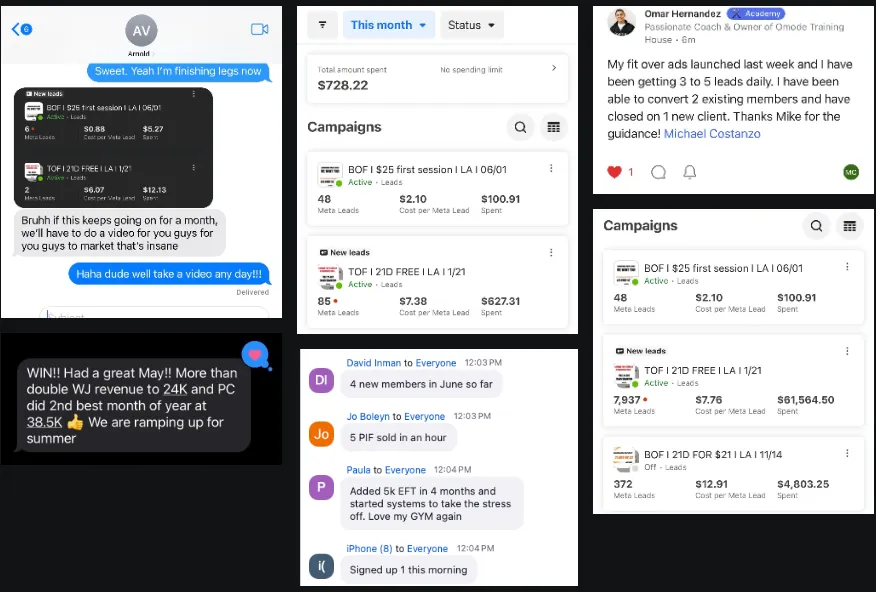
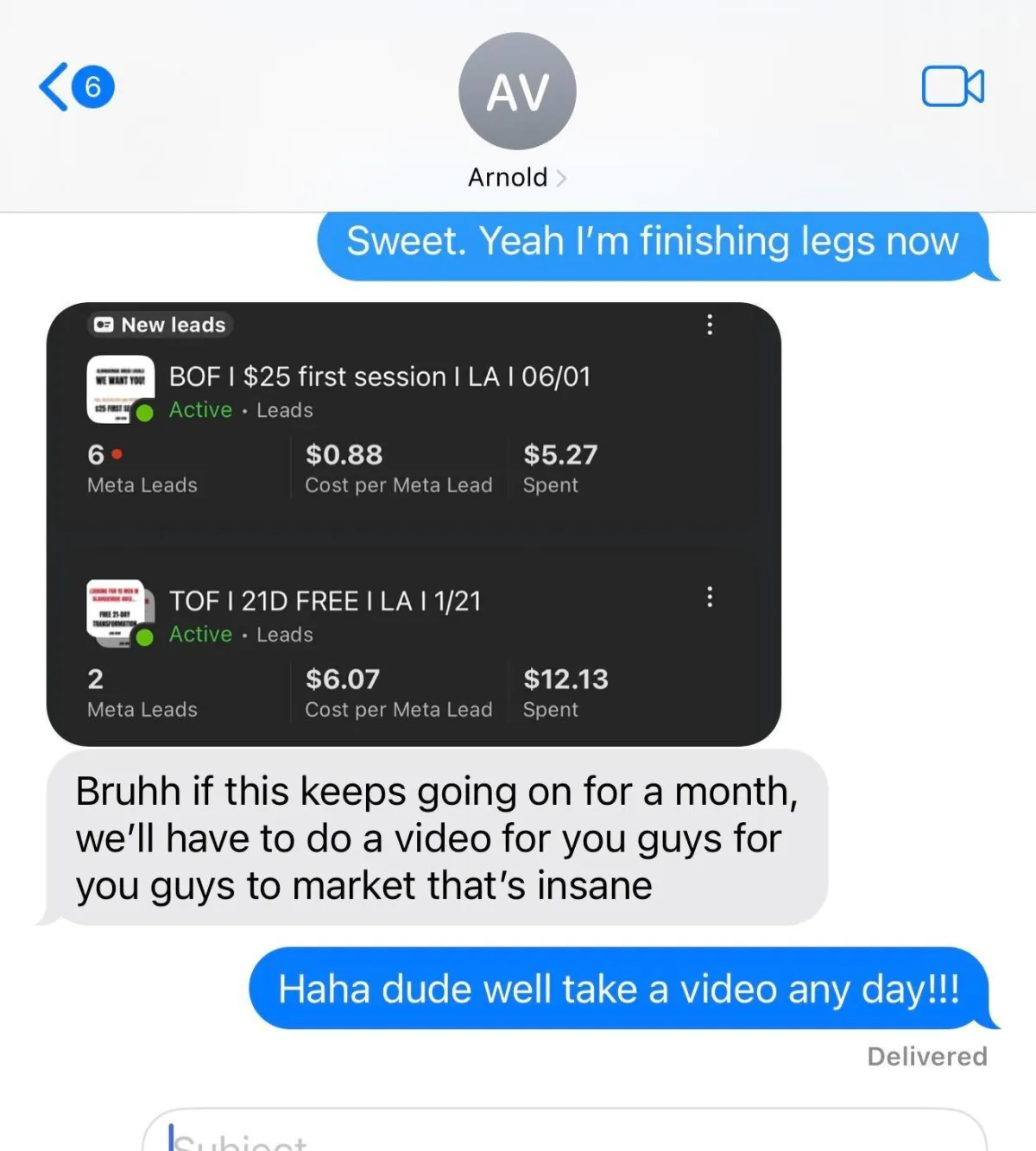
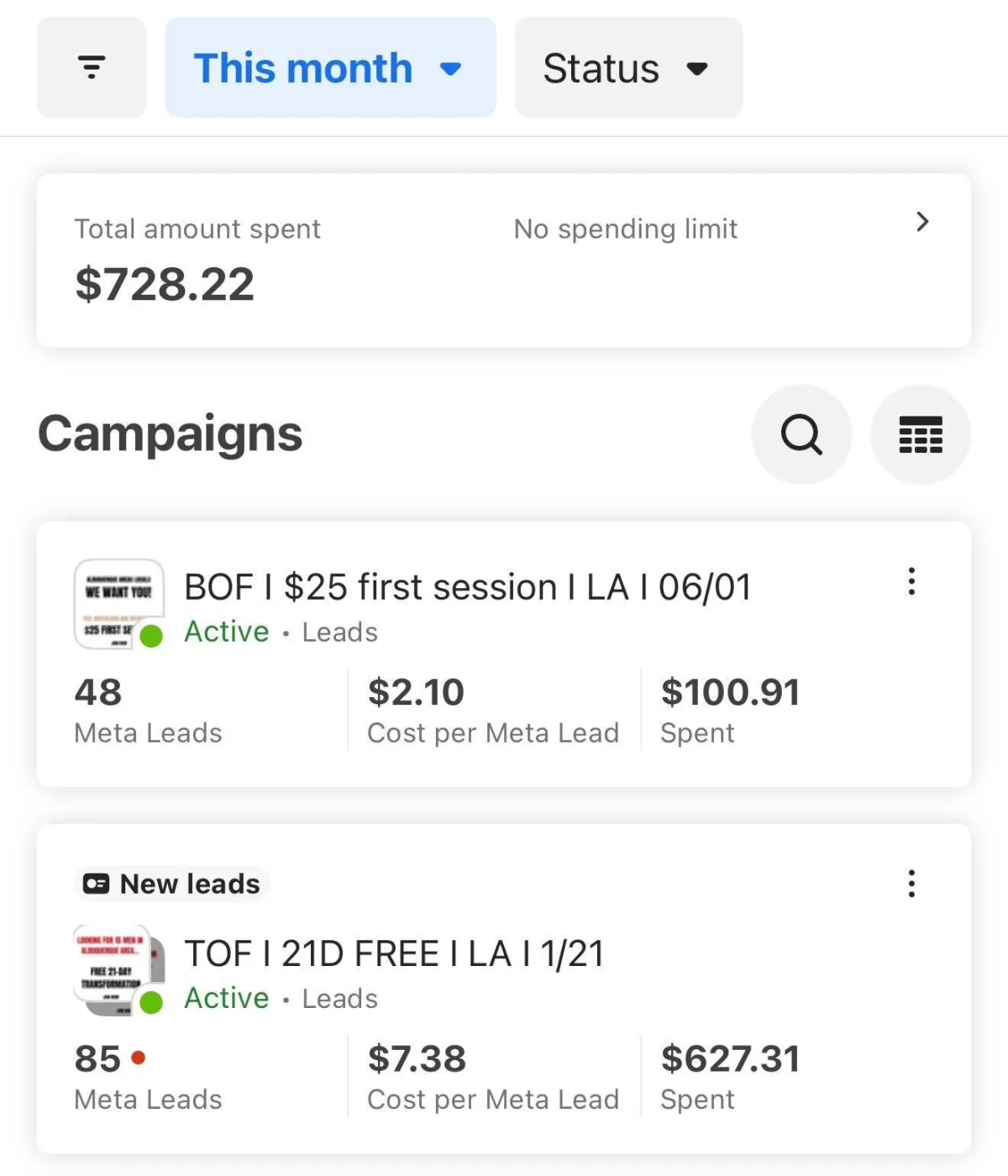
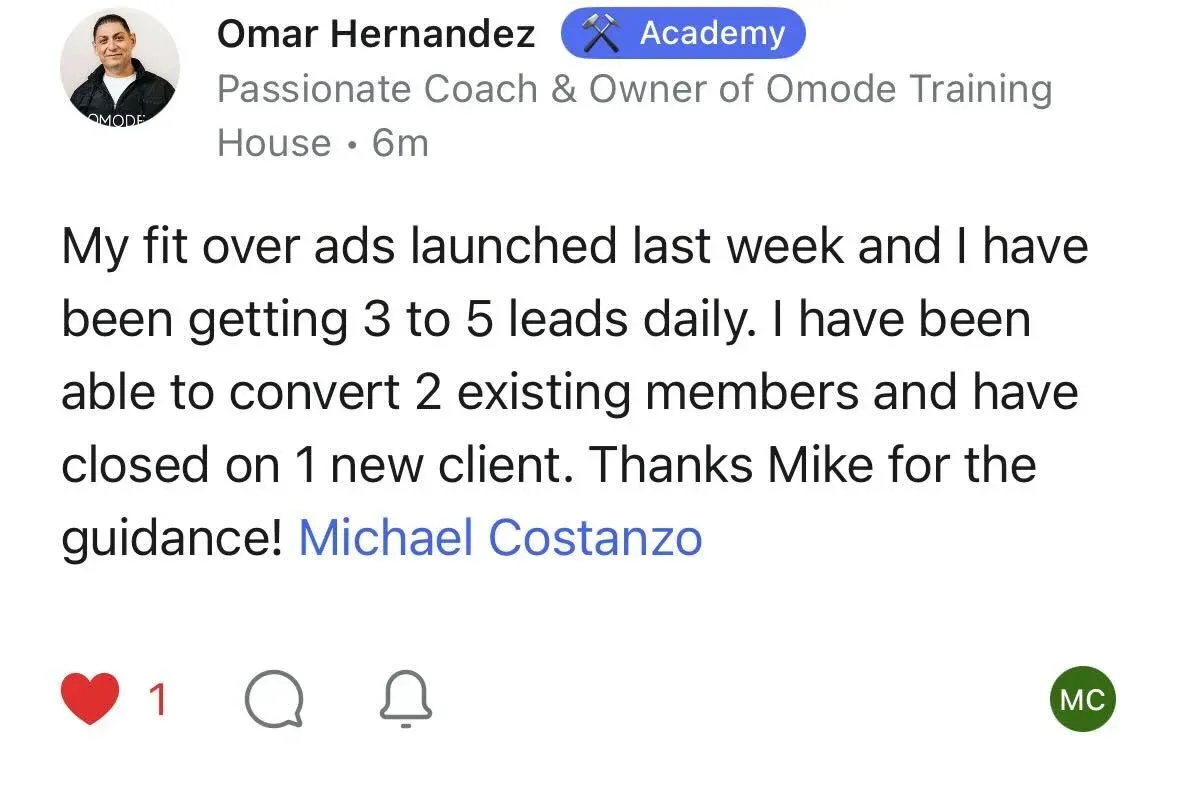
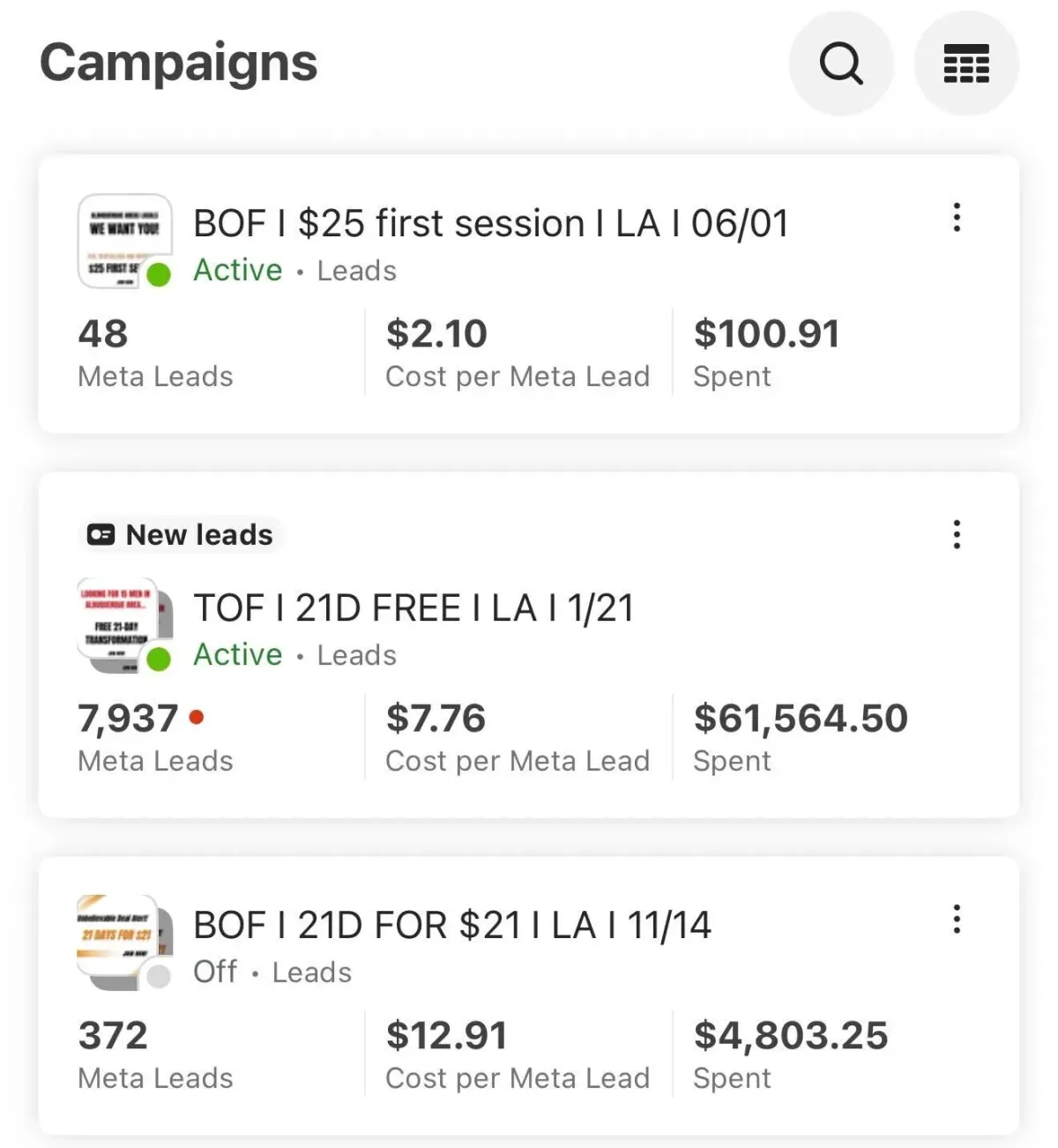
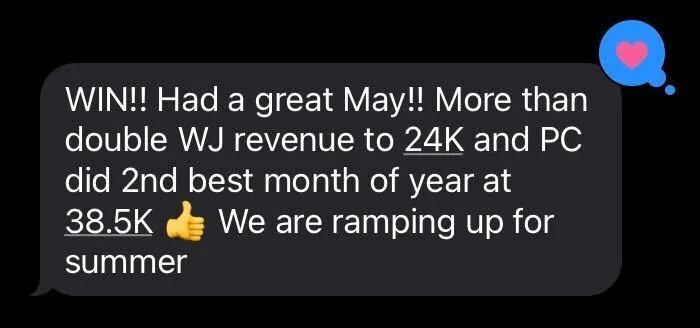
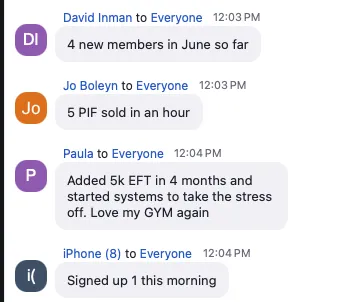
Real results from real gym owners
A new era in gym marketing:
where AI meets client acquisition
Where Less Clients Means More Money
AI is amongst the most disruptive technologies of the last decade. Our proprietary AI marketing and sales system now helps you streamline your business in a way that's never been possible before…
From AI-powered lead nurturing to automated follow-ups, client acquisition & so much more.
500+ Gym Owners & Counting
We're in the business of helping gym owners get the most out of their business while working less.
This is a collection of our top reviews from Google.
4.8/5 stars in 100+ reviews

Gym Academy has helped me get a grasp of my business and taught me to operate my personal training and gym in business like an actual business understanding numbers like my ad spend, where my revenue is coming from, where I need to focus my efforts to grow my business, How to assemble a team and manage a team. A lot of stuff I really had no idea about With their help, I’ve taken my gym from 6000 recurring to 21,000 monthly recurring in nine months
I’ve worked in retail, functional medicine, and now as the GM of Temple Fitness since December 2024. I can honestly say working with Gym Academy has completely transformed my approach to leadership and growth. The quality of training and systems they provide is unmatched. Ryan’s sales training compressed years of growth into just months, while Mike helped me bring my onboarding and team-building experience into the gym world. Josh and Bob are down-to-earth, hands-on leaders who empower you to be the best version of yourself and build systems that drive success. I’ve been in the fitness world my whole life but hesitated to make it a career due to industry challenges. Gym Academy has made it possible to thrive—if you’re serious about growing your gym and changing lives, this is where you should invest.
I am thoroughly enjoying the process of growing my gym. The gym academy team is awesome. Everyone that I have worked with has been understanding and caring about the issues with my business while having a solution to solve those problems. I have already made back my investment plus some in a little over 30 days. They teach you how to operate your business properly while increasing income long term. Highly recommend!
They are great if you have a traditional gym. If you are any type of specialty studio there cookie cutter methods do not work well. Be prepared to shell out 10k in your first 30 days. Wouldn’t recommend.
Joining Gym Academy has been a total game-changer for my fitness studio! Six months ago, I was struggling—keeping my doors open was costing me money, and despite trying multiple marketing companies, I wasn’t seeing real growth. What I quickly realized after joining Gym Academy is that running a successful studio is so much more than just good ads. With Bob and the team’s constant guidance (shout out to my CSM, Ryan), I’ve learned how to have effective conversations that actually convert leads into long-term members while keeping attrition low. Mindset is EVERYTHING too. Beyond that, my entire operational structure has been optimized—I’ve eliminated inefficiencies, cut waste, and now run my studio in a way that’s profitable and scalable. The daily Sales and Marketing calls provide invaluable insights, and the community of studio owners supporting each other makes all the difference. If I ever have a challenge, I know I can ask for help, and immediate, actionable advice is always there. I’m no longer alone on an island, trying to figure things out. No more sleepless nights worried if I'm going to make rent or payroll. Joining Gym Academy has been the single most important strategic move I’ve made since opening my doors. If you're a studio owner struggling to grow, don’t wait—this is the place you need to be! 💪🔥 #GameChanger #GymAcademy #StudioSuccess
Gym Academy has been the best experience. As a result I feel in complete control of my business, I have a clear and doable program seriously accelerating the growth of my studio! Ryan Simpson Shares genuine excitement with my wins. It’s been exciting and inspiring and brought new hope and life back into my relationship with my business!
Before joining Gym Academy I was in a desperate spot. I had a great product a beautiful gym and NOT ENOUGH CLIENTS to survive! However, since joining Gym Academy last year my yearly sales DOUBLED. This is a no joke program... no secret sauce, no hidden magic formula, just tried and true sales and marketing training that will get you a reliable stream of clients so you can finally have the gym of your dreams!

"LITERALLY SAVED MY GYM AND MY SANITY"
. Felicia B.
Gym Academy's Blog
Gym Lead Generation: Complete Guide to Filling Your Pipeline
Gym Lead Generation: Complete Guide to Filling Your Pipeline
Gym lead generation is the process of attracting potential members who show interest in joining your facility. A qualified gym lead is someone in your service area who needs what you offer, can afford your pricing, and is ready to make a decision within 30-60 days. Most gyms struggle with lead generation because they focus on quantity over quality or depend on a single channel that can disappear overnight.
Effective gym lead generation combines multiple channels that work together: Facebook and Instagram ads for targeted reach, Google My Business for local search visibility, partnership networks for qualified referrals, and community events for brand building. The goal is 30-50 qualified leads per month that convert at 30-40% through systematic nurturing. Gyms using this multi-channel approach from Gym Academy maintain consistent lead flow regardless of algorithm changes or seasonal fluctuations.
Understanding the Gym Lead Generation Funnel
The gym lead generation funnel describes how prospects move from awareness to inquiry to membership. Understanding each stage helps you allocate resources effectively and identify where leads drop off.
Stage 1: Awareness
Prospects become aware of your gym through ads, search results, referrals, or community presence. They know you exist but haven't engaged yet. The awareness stage is about visibility and positioning.
Your job at this stage: Get in front of your target audience repeatedly. Someone needs to see your name 5-7 times before taking action. Multi-channel presence (ads, search results, social media, partnerships, community events) creates the repetition needed for awareness to convert to interest.
Stage 2: Interest
Prospects visit your website, click your ad, or ask friends about you. They're researching options and evaluating whether you might solve their problem. The interest stage is about differentiation and value communication.
Your job at this stage: Clearly communicate what makes you different and why prospects should choose you. Your website, ad copy, and sales materials need to answer: What specific outcomes do you deliver? Who do you serve best? Why are you better than alternatives?
Stage 3: Consideration
Prospects are seriously evaluating you alongside 2-3 competitors. They're comparing pricing, reading reviews, and looking for reasons to trust you. The consideration stage is about credibility and social proof.
Your job at this stage: Provide evidence that you deliver what you promise. Reviews, testimonials, transformation photos, detailed program information, and responsive communication. Make it easy for prospects to verify you're legitimate and effective.
Stage 4: Inquiry
Prospects reach out directly through forms, calls, texts, or in-person visits. They're interested enough to start a conversation. The inquiry stage is where most gyms measure "lead generation."
Your job at this stage: Respond immediately, qualify the lead, and schedule a consultation. Speed matters enormously. Leads contacted within 5 minutes convert at 9x the rate of leads contacted after 30 minutes.
Stage 5: Consultation
Prospects meet with you to discuss goals, evaluate fit, and consider purchasing. This is your opportunity to demonstrate value and close the sale.
Your job at this stage: Listen more than you talk. Understand their goals, explain how you can help, address concerns, and make a clear offer. The consultation should feel consultative, not salesy.
Most gyms focus exclusively on stage 4 (getting inquiries) while ignoring stages 1-3 that determine inquiry quality and quantity. A complete lead generation strategy addresses every stage.
The Problem With Most Gym Lead Gen (Quality vs. Quantity)
More leads don't always mean more members. A hundred low-quality leads convert worse than twenty high-quality leads. Yet most gym owners chase quantity because it feels like progress.
What defines lead quality:
Geographic fit: Within reasonable distance from your facility. Leads from 20+ miles away rarely convert unless you offer unique specialization.
Financial fit: Can afford your pricing. If your programs cost $299/month and leads are shopping for $99 options, they're not qualified regardless of their interest level.
Goal alignment: Want outcomes you deliver. If you specialize in strength training and leads want yoga, they're not a fit. Misaligned goals lead to disappointed members who cancel quickly.
Timeline readiness: Ready to make a decision soon. Leads "just looking" or planning to join "eventually" tie up your time without converting. Qualified leads are ready to start within 30-60 days.
Decision-making authority: Can actually make the buying decision. If someone needs spousal approval, parent permission, or boss authorization, they're not fully qualified until those stakeholders are involved.
The quality vs. quantity tradeoff:
You can generate 200 leads per month through aggressive discounting and broad targeting. You'll convert 10-15 of them (5-7% conversion) because most are tire-kickers, bargain hunters, or poorly qualified.
You can generate 40 leads per month through targeted offers and proper positioning. You'll convert 12-16 of them (30-40% conversion) because they're pre-qualified and aligned with what you offer.
Same number of new members. Dramatically different time investment and cost.
The second approach requires better marketing that speaks to specific audiences with specific offers. It's harder to execute but more sustainable long-term.
How low-quality leads hurt your business:
They waste sales time. Consultations with unqualified prospects take the same time as consultations with qualified prospects. The unqualified ones rarely convert, meaning you spent an hour for nothing.
They poison your conversion metrics. When you're converting 10% of leads, you assume your sales process is the problem. Often the real problem is 70% of leads are unqualified to begin with. Fix lead quality before optimizing sales.
They create pricing pressure. When most leads are bargain hunting, you feel pressure to discount. This attracts more bargain hunters in a vicious cycle. Better lead quality lets you maintain pricing integrity.
They damage team morale. Sales staff dealing with endless unqualified leads get demoralized. They start dreading consultations because most go nowhere. This affects how they show up for the qualified prospects.
Focus on quality over quantity. Better to have 30 qualified leads than 100 mixed leads. Our guide on gym marketing strategies explains how to position your gym to attract qualified prospects.
Channel 1: Facebook and Instagram Ads That Convert
Facebook and Instagram ads can generate consistent leads when done properly. Most gym owners waste money on ads because they target too broadly, use weak offers, or fail to follow up systematically. Here's what actually works.
Targeting that finds qualified prospects:
Geographic targeting: 5-15 mile radius from your gym. Tighter radius in dense urban areas, wider radius in suburban or rural markets. Don't waste impressions on people too far away to realistically join.
Age targeting: Target the age range that matches your ideal member profile. If you serve busy professionals, target 28-45. If you serve parents, target 30-50. Broad age targeting dilutes your message.
Interest targeting: Fitness and wellness interests, competitor gym pages, fitness publications, health-focused brands. Facebook's detailed targeting finds people who've shown fitness interest through their behavior.
Lookalike audiences: Once you have 50+ members, create lookalike audiences based on your customer list. Facebook finds people similar to your existing members. These audiences typically outperform interest-based targeting.
Exclusion targeting: Exclude current members and people who've already inquired but didn't join. No point paying to advertise to people who already know about you.
Ad creative that stops the scroll:
Use real member transformation photos. Before/after images with visible results outperform generic fitness stock photos by 3-5x. Always get written permission before using member images.
Lead with the outcome in your headline. "Lost 30 Pounds in 12 Weeks" beats "Join Our Gym." Specific results create curiosity and desire.
Keep ad copy short and focused. Three sentences maximum. State the outcome, explain the program briefly, and direct to your call to action. Long ad copy rarely performs better.
Include a clear call to action. "Claim your spot in our next 6-week challenge" or "Book your free goal-setting consultation" tells people exactly what to do next.
Test multiple creative variations. Run 3-4 different images with slight copy variations. Facebook's algorithm optimizes toward the best performer. Testing is how you improve cost per lead over time.
Offer structure that converts:
Promote specific programs, not general memberships. "6-Week Fat Loss Challenge starting March 15th" outperforms "Join our gym." Specific programs create urgency and clarity.
Include pricing or at least a price range. "Programs from $297" filters out people who can't afford your services before they waste your time. Hiding pricing attracts more leads but lower quality.
Create urgency with limited spots or start dates. "Only 8 spots available" or "Program starts Monday" forces decision-making. Without urgency, prospects procrastinate indefinitely.
Make the next step clear and low-friction. "Click to book your free consultation" is easier than "Click to learn more." The more specific and simple your call to action, the better it converts.
Budget and expectations:
Start with $500-1000 monthly budget. This gives Facebook enough data to optimize your campaigns. Smaller budgets don't generate enough volume for effective testing and optimization.
Expect $20-50 cost per lead in most markets. Urban markets and competitive areas skew toward the high end. Suburban and rural markets skew toward the low end. If you're paying $75+ per lead, something's wrong with targeting, creative, or offer.
Plan for 4-6 weeks of testing before campaigns stabilize. Initial results are rarely optimal. Facebook needs time to learn what works for your specific audience and goals.
Calculate acceptable cost per member. If your average member lifetime value is $2,000 and you want 3x return, you can afford $667 per member acquisition. At 30% conversion rate, that means $200 per lead is your maximum acceptable cost. Most gyms can't afford anywhere near that, which is why conversion rate matters so much.
Channel 2: Local Search and Google My Business
Local search is how most people find businesses today. "Gyms near me," "best gym in [city]," or "[neighborhood] fitness" are searched thousands of times monthly in every market. Ranking for these searches generates consistent, high-intent leads.
Optimizing Google My Business:
Google My Business (GMB) is your most important local search asset. Proper optimization dramatically improves visibility.
Complete every section thoroughly. Business name, address, phone, website, hours, services, description. Incomplete profiles rank lower than complete profiles.
Choose accurate categories. Primary category should be your main service (Gym, Fitness Center, Personal Trainer). Add 3-5 secondary categories that describe what you offer (Physical Fitness Program, Weight Loss Service, etc.).
Write a keyword-rich description. Your description should naturally include keywords prospects search for: "CrossFit gym in downtown Austin specializing in strength training, weight loss, and nutrition coaching for busy professionals." Don't keyword stuff, but do include relevant terms.
Add 20+ high-quality photos. Exterior, interior, equipment, classes in action, staff photos, member transformations (with permission). Update photos monthly. Fresh visual content improves ranking.
Post weekly updates. Google Posts appear in your profile and boost visibility. Post about upcoming classes, member wins, special offers, or helpful tips. Consistent posting signals an active business.
Respond to every review within 24 hours. Both positive and negative reviews need responses. Thank people for positive reviews. Address concerns in negative reviews professionally. Response rate and speed affect ranking.
Ask satisfied members for reviews. Most happy members will review if asked directly. "Would you mind leaving a Google review? It really helps us reach more people." Send them a direct link to make it easy.
Local SEO for your website:
Your website needs local optimization to rank for geographic searches.
Include city and neighborhood names in page titles and headers. "Best Gym in [City]" or "[Neighborhood] Fitness Center" signals location to Google.
Create location-specific content. Blog posts about local events, neighborhood guides, or "[City] Fitness Tips" help you rank for local searches.
Get listed in local directories. Yelp, local Chamber of Commerce, fitness directories, community websites. These citations improve local search authority.
Build local backlinks. Sponsor local events, partner with local businesses, get featured in local news. Links from local websites boost local search rankings.
Add location schema markup. Technical implementation that tells search engines your address, hours, and service area. Your web developer can implement this.
Converting local search traffic:
When prospects find you through local search, they're high-intent. They're actively looking for a gym right now. Your website needs to capitalize on this intent.
Make contact information prominent. Phone number, address, and booking links should be visible immediately. Don't make people hunt for how to contact you.
Show social proof above the fold. Reviews, testimonials, or member count. "500+ members trust us" or "4.9 stars from 200+ reviews" builds instant credibility.
Explain your unique positioning clearly. What makes you different from the other 10 gyms in the area? This should be obvious within 10 seconds of landing on your site.
Include a clear call to action. "Book your free consultation" or "Claim your spot in our next challenge" with a prominent button or form.
Make mobile experience seamless. Most local searches happen on mobile devices. Your site needs to load fast and function perfectly on phones.
Channel 3: Partnership and Referral Networks
Strategic partnerships generate qualified leads without advertising costs. The right partners already have your ideal audience's attention and trust. Leveraging those relationships creates warm leads that convert at 50-70%.
Types of partnerships that work:
Physical therapists and chiropractors who need referral partners for patients ready to return to exercise. They want trusted facilities where their patients will be safe and properly coached.
Sports medicine doctors who prescribe exercise but have nowhere specific to send patients. You become their recommended fitness resource.
Corporate wellness programs looking for gym partnerships. Companies want employee fitness benefits. You provide group rates or on-site training.
Sports performance coaches who need strength and conditioning facilities. They bring athletes who need structured training programs.
Nutritionists and health coaches whose clients need exercise programs. They focus on nutrition, you focus on training. Natural partnership.
Youth sports organizations whose parents want fitness options. Sponsor a team and you're promoted to 50+ families with kids in organized sports.
Building partnership relationships:
Identify 20 potential partners who serve your target audience. Make a list with contact information before reaching out.
Create a partnership proposal that clearly explains benefits. What's in it for them? Referral fees, reciprocal referrals, co-marketing opportunities, or simply providing great service to people they care about.
Reach out personally, not through mass email. Call or visit in person. "I own [Gym Name] and work with a lot of people recovering from injuries. I'd love to create a referral relationship where I can confidently send my members to you, and you can send patients ready for exercise to me."
Offer to provide value first. Free workshops at their location, educational content for their clients, or complimentary services for their staff. Lead with giving, not asking.
Make referrals easy with specific process. "When you have a patient ready for exercise, text me their name and number. I'll reach out within 24 hours, send you updates on their progress, and ensure they're being coached safely."
Follow up consistently. Check in monthly even if they haven't sent referrals yet. Share success stories from mutual clients. Keep your gym top-of-mind so when opportunities arise, they think of you.
Systematic referral programs:
Your members are your best partners. They know people similar to themselves who might need your gym. Turning members into active referrers requires a system, not hope.
Give members physical referral tools. Guest pass cards they can hand to friends. Not "bring a friend sometime" but actual cards with specific offers: "You're invited to a free week at [Gym Name]."
Incentivize both parties. Offer the referring member something valuable (free month, gym merchandise, gift card). Give their friend a compelling offer (free week, consultation, trial program).
Ask at high-satisfaction moments:
After their first month when seeing initial results
After hitting a personal record
After completing a challenge or program
During annual reviews or goal-setting sessions
Track referral activity. Note when members take guest passes. Follow up: "Did your friends use their passes? Want me to contact them?" Simple follow-up increases conversion.
Recognize top referrers publicly. Member spotlight, social media features, or special recognition. Public acknowledgment motivates continued referrals.
Partnership lead conversion:
Partnership leads convert at 50-70% because they come pre-qualified and warm. The referral source has already vouched for you.
Contact partnership leads within 24 hours. Speed matters even more with warm leads because they're actively looking for solutions.
Mention the referral source immediately. "Dr. Smith suggested I reach out" or "Sarah from our gym thought you'd be interested in our program." This establishes instant trust.
Acknowledge their specific situation. If a physical therapist referred them post-injury, address that: "Dr. Smith mentioned you're recovering from a knee injury. Here's how we'll work with that..."
Follow up with the referral source after enrollment. "Just wanted to let you know John joined and is doing great. Thanks for the referral." This encourages future referrals.
Understanding how to convert these leads into long-term members requires proper retention systems. Our guide on how to increase gym retention covers systematic approaches to keeping members engaged.
Channel 4: Community Events and Local Presence
Community events generate leads while building local authority. They put your brand in front of hundreds or thousands of local people and position you as an active community member, not just another business.
Types of community events:
Free outdoor workouts open to the public. Host monthly workouts at a local park. "Free Saturday morning boot camp at [Park Name]." Attendees experience your coaching and meet your community.
Educational workshops at your gym or community venues. Nutrition basics, goal-setting, injury prevention, or fitness for specific populations (seniors, parents, athletes). Position yourself as the expert.
Charity fundraisers that attract community participation. Partner with local causes. "Burpees for [Charity]" or "5K to support [Organization]." Charitable events build goodwill and awareness.
Corporate wellness events where you provide services to company employees. Lunch-and-learn sessions, fitness challenges, or health screenings. Each event exposes your gym to 50-200 potential members.
Sponsorship of local sports teams, races, or community organizations. Your logo on jerseys or event materials reaches thousands of people repeatedly.
Making events generate actual leads:
Collect contact information at every event. "Sign up for our monthly fitness tips" or "Enter to win a free month membership." Build your email list through events.
Offer event-exclusive promotions. "Everyone at today's workout gets 50% off their first month if you join by Friday." Time-limited offers create urgency.
Showcase your community and coaching quality. Events should demonstrate why your gym is special. Great coaching, supportive community, and fun atmosphere sell better than any pitch.
Follow up with attendees within 48 hours. "Thanks for joining our workout Saturday. Would love to see you at the gym for a full session. Here's a complimentary week pass."
Building consistent local presence:
Consistent visibility matters more than one-off events. Regular presence builds recognition and authority over time.
Monthly events create rhythm. First Saturday of the month = free community workout. People know when to expect you and can plan to attend.
Strategic location choices put you in front of your target audience. Host events where your ideal members gather, not just wherever is convenient.
Partner with complementary businesses for co-hosted events. Coffee shop, healthy restaurant, or outdoor gear store. Their customers are often your ideal prospects.
Document and promote events on social media. Photos and videos from events showcase your community and encourage attendance at future events.
Expected results from community presence:
Don't expect immediate ROI from individual events. Community building is about long-term brand awareness and positioning, not instant conversions.
However, consistent community presence generates 5-15 leads monthly from people who've seen you repeatedly and built trust over time. These leads convert at 40-50% because they've already experienced your coaching and community.
Budget 3-5 hours monthly for community events. The time investment is modest relative to the authority building and lead generation over 6-12 months.
Lead Nurturing: The System Most Gyms Miss
Generating leads is pointless if you don't convert them. Most gyms lose 60-70% of leads because follow-up falls through the cracks. Systematic nurturing ensures every lead gets consistent attention until they're ready to join.
Why most gyms fail at lead nurturing:
They rely on manual follow-up that's inconsistent. You intend to follow up with every lead multiple times. You get busy. You forget. Leads go cold. Manual systems fail because humans are inconsistent.
They give up too early. Three attempts and they move on. Most conversions happen between follow-ups 5-12. Giving up early abandons leads right before they would have converted.
They don't segment leads by readiness. Hot leads ready to join tomorrow get the same treatment as warm leads researching options. Different readiness levels need different approaches.
They focus on information delivery instead of relationship building. Leads don't need more information about your gym. They need to trust that you'll help them succeed. Nurturing should build relationship, not just provide facts.
Building an effective nurture sequence:
Day 0: Immediate response confirming you received their inquiry. Include link to book consultation and expect response within 5 minutes of inquiry.
Day 1: Success story from a member with similar goals. Show that you help people like them achieve results they want. Email or text.
Day 3: Address common objection. Time, cost, or intimidation depending on what you know about the lead. Provide reassurance.
Day 7: Limited-time offer or program starting soon. Create gentle urgency without being pushy. "Our next 6-week challenge starts Monday and we have 3 spots left."
Day 14: Value-add content. Helpful tip related to their goals. "Here's a simple nutrition strategy that helped our members lose 15+ pounds."
Day 21: Phone call attempt if they haven't responded to digital outreach. Voice-to-voice builds connection that text can't match.
Day 30: Check-in with new angle. "Still thinking about starting? What questions can I answer?"
Day 60: Long-term nurture sequence. Monthly touchpoints with valuable content. Stay top-of-mind for when they're ready.
Segmenting leads for personalized nurturing:
Hot leads (ready to join within 7 days): Daily follow-up until they book consultation. These leads are shopping now and won't wait.
Warm leads (considering options, 7-30 day timeline): Follow-up every 2-3 days. Provide information and social proof. Address objections proactively.
Cool leads (researching, 30-90 day timeline): Weekly touchpoints. Stay in touch without being aggressive. They'll convert eventually but need longer nurture.
Cold leads (no timeline or poorly qualified): Monthly check-ins. These rarely convert but occasional touchpoints keep you top-of-mind if their situation changes.
Automation that scales nurturing:
Manual follow-up doesn't scale beyond 20-30 active leads. Automation handles hundreds of leads simultaneously with consistent quality.
Email automation platforms (Mailchimp, ConvertKit, ActiveCampaign) handle sequence delivery. Set up your nurture sequence once, every new lead enters automatically.
SMS automation (SimpleTexting, EZ Texting) handles text follow-up. Text messages have 98% open rates vs. 20% for email. Critical touchpoints should go through both channels.
CRM systems (GymLeads, Wodify, Mindbody) track lead status and trigger next actions. Your system should tell you who needs follow-up today so nothing falls through cracks.
Measuring nurture effectiveness:
Track lead-to-consultation rate. What percentage of leads book consultations? If below 40%, your nurture sequence isn't working.
Track consultation-to-member rate. What percentage of consultations convert? If below 40%, your sales process needs work.
Track average time to conversion. How long from initial inquiry to joining? Shorter is better. Effective nurturing should convert most qualified leads within 14-21 days.
Track conversion by lead source. Which sources convert best? Double down on high-converting sources, evaluate or cut low-converting sources.
Measuring Lead Generation ROI
You can't improve what you don't measure. Tracking the right metrics tells you what's working and what's wasting money.
Cost per lead by channel:
Calculate the cost to generate one lead from each channel you use.
Facebook ads: Total ad spend divided by leads generated. $1,000 spend generating 30 leads = $33 per lead.
Google ads: Same calculation. Include both ad spend and any management fees if using an agency.
Partnerships: Referral fees paid divided by leads received. $0 if you're not paying for referrals, but track lead volume.
Events: Event costs divided by leads generated. $300 event that generates 15 leads = $20 per lead.
Organic search: Hard to calculate directly but estimate your SEO time investment and content costs.
Know your cost per lead by channel so you can allocate budget to what works best.
Lead quality by channel:
Leads from different channels convert at different rates. A $50 lead that converts at 50% is better than a $20 lead that converts at 10%.
Track conversion rate by source. Referrals typically convert at 50-70%. Paid ads convert at 20-35%. Organic web traffic converts at 25-40%. Events convert at 30-50%.
Calculate cost per member by channel. Cost per lead divided by conversion rate. $30 lead with 30% conversion = $100 cost per member. $50 lead with 60% conversion = $83 cost per member. The second is better despite higher lead cost.
Lifetime value vs. acquisition cost:
Your customer acquisition cost (CAC) needs to be significantly lower than lifetime value (LTV) for sustainable growth.
Calculate LTV: Average monthly membership price × average retention in months. $150/month × 18 months = $2,700 LTV.
Calculate CAC: Total marketing and sales costs divided by new members acquired. $3,000 monthly marketing budget generating 20 members = $150 CAC.
Your LTV:CAC ratio shows business health. Aim for 3:1 or better. $2,700 LTV / $150 CAC = 18:1 ratio means very healthy unit economics.
If your LTV:CAC ratio is below 3:1, you have a problem. Either your acquisition costs are too high or your retention is too low (reducing LTV). Fix retention before spending more on acquisition.
Attribution challenges:
Leads rarely come from a single touchpoint. Someone sees your Facebook ad, searches your gym name on Google, checks reviews, then contacts you. Which channel gets credit?
First-touch attribution credits the first interaction. The Facebook ad in this example.
Last-touch attribution credits the final interaction before inquiry. The Google search in this example.
Multi-touch attribution attempts to credit all interactions. This is most accurate but hardest to implement.
Use last-touch attribution as your default since it's simplest to track. Accept that some channels (like brand awareness through events) contribute to conversions without direct attribution.
Dashboard metrics to track monthly:
Total leads generated (all sources) Leads by source (Facebook, Google, referrals, events, etc.) Cost per lead by source Lead-to-consultation rate Consultation-to-member rate
Cost per member acquired New member count Monthly marketing spend Return on ad spend (revenue from new members / marketing spend)
Review these numbers monthly. Adjust budget allocation toward channels with best cost per member and conversion rates.
Frequently Asked Questions
What is a qualified gym lead?
A qualified gym lead is someone within your service area who needs what you offer, can afford your pricing, and is ready to make a decision within 30-60 days. They have goals that align with your services, the financial means to invest, and decision-making authority to join without needing approval from others. Qualified leads are 5-10x more valuable than unqualified leads because they convert at much higher rates and stay longer once they join.
How many leads does a gym need per month?
A gym needs 30-50 qualified leads per month to consistently add 10-15 new members, assuming a 30-40% conversion rate. Gyms with lower conversion rates need more leads to hit the same growth targets. The focus should be on lead quality and conversion optimization rather than just lead volume. Generating 100 low-quality leads that convert at 10% is worse than generating 40 high-quality leads that convert at 40%.
How much do gym leads cost?
Gym leads typically cost $20-50 per lead from paid advertising channels like Facebook and Instagram. Google Ads tends to be more expensive at $40-80 per lead in competitive markets. Partnership referrals and member referrals cost near zero. Organic search leads cost time and content investment but no direct cost per lead. The acceptable cost per lead depends on your conversion rate and customer lifetime value. Higher-converting leads justify higher acquisition costs.
What is the best gym lead generation channel?
The best gym lead generation channel is member referrals because they convert at 50-70%, cost almost nothing, and generate members with high lifetime value. However, referrals alone won't scale a gym quickly. The most effective strategy combines multiple channels: Facebook ads for volume, Google My Business for local search visibility, strategic partnerships for qualified referrals, and community events for brand building. Multi-channel approaches provide consistent lead flow regardless of algorithm changes or seasonal fluctuations.
How long does it take to generate leads for a gym?
Paid advertising channels like Facebook and Instagram generate leads within 24-48 hours of launching campaigns. Google My Business optimization takes 30-60 days to show meaningful results. Partnership development takes 60-90 days to build relationships and start generating referrals. Community events generate immediate awareness but typically convert to leads over 30-90 days as brand recognition builds. A complete lead generation system combining multiple channels shows consistent results within 90 days.
Should I buy gym leads from lead generation companies?
Buying leads from third-party lead generation companies rarely works well for gyms. These companies sell the same lead to multiple gyms, meaning you're competing with 5-10 other facilities for the same prospect. Conversion rates typically run 5-10% because leads aren't exclusive and often aren't seriously shopping. Your money is better spent building owned lead generation channels that you control. The only exception is if you have exceptional follow-up systems that outperform competitors.
How do I track gym lead generation ROI?
Track gym lead generation ROI by measuring cost per lead by channel, lead-to-consultation conversion rate, consultation-to-member conversion rate, cost per member acquired, and customer lifetime value. Calculate ROI as: (customer lifetime value × members acquired - marketing costs) / marketing costs. A healthy ROI is 3:1 or better, meaning every dollar spent on lead generation returns three dollars in lifetime customer value. Monthly dashboard tracking of these metrics helps you allocate budget to highest-performing channels.
Ready to build a complete lead generation system that fills your pipeline with qualified prospects? Gym Academy helps gym owners implement multi-channel strategies that generate 30-50 qualified leads monthly without depending on a single platform or algorithm.

Frequently Asked Questions
Who is your gym consulting program for?
Our gym consulting is specifically for gym owners across the US who have a solid service but are stuck in the operational grind. We help transition owner-operators into CEOs ready for scalable gym business growth.
How quickly will I see a gym profit increase?
You will see immediate organizational improvements. Most clients experience a measurable gym profit increase within the first 90 days by implementing our sales conversion and pricing strategies.
Is this focused on a specific gym type (CrossFit, F45, etc.)?
No. Our gym owner coaching systems are format-agnostic. We focus on universal business principles (marketing, sales, operations) that drive success, whether you run a HIIT studio, a strength facility, or a yoga studio.
What is the first step to starting your gym consulting program?
The first step is to book a Free Growth Strategy Session so we can diagnose your current bottlenecks (Acquisition, Retention, or Systems) and provide an actionable plan for gym business growth.
What is the biggest difference between Gym Academy and other consultants?
The difference is hands-on implementation and proprietary technology. Most consultants provide information and then disappear. We actively build and install your lead-generation and automation systems while providing the gym owner coaching to manage your profitable business. We provide results, not just homework.
Can your system help me scale to multiple locations?
Absolutely. Our system is built on the blueprint for gym business growth and multi-location scalability.
Do you help with pricing and profitability strategy?
Yes. A core focus of our gym consulting is helping you achieve a guaranteed gym profit increase. We analyze your current pricing and structure your offers to maximize client lifetime value and profitability


