
Ready To Grow Your Gym?
Ready To
Grow Your Gym?
We help gym owners grow and scale their gyms to make more money. Book a demo to find out how our Flywheel Attraction System can help you get more members and work less hours
Stop Trading Time for Money. Start Building an Asset.
WHERE
GYMS MEET PROFITABILITY
Welcome to Gym Academy. We specialize in transforming passionate gym owners into profitable CEOs. Many gym owners get stuck in the 'owner-operator' trap, working 60 hours a week just to pay the bills. We launched Gym Academy to change that. We deliver real, no-fluff strategies that move you out of the day-to-day grind and turn your facility into a scalable, high-profit asset.
Join the program that has helped hundreds of gym owners scale their business
Our method makes marketing and client acquisition accessible to any gym owner, even those who've failed with other programs!
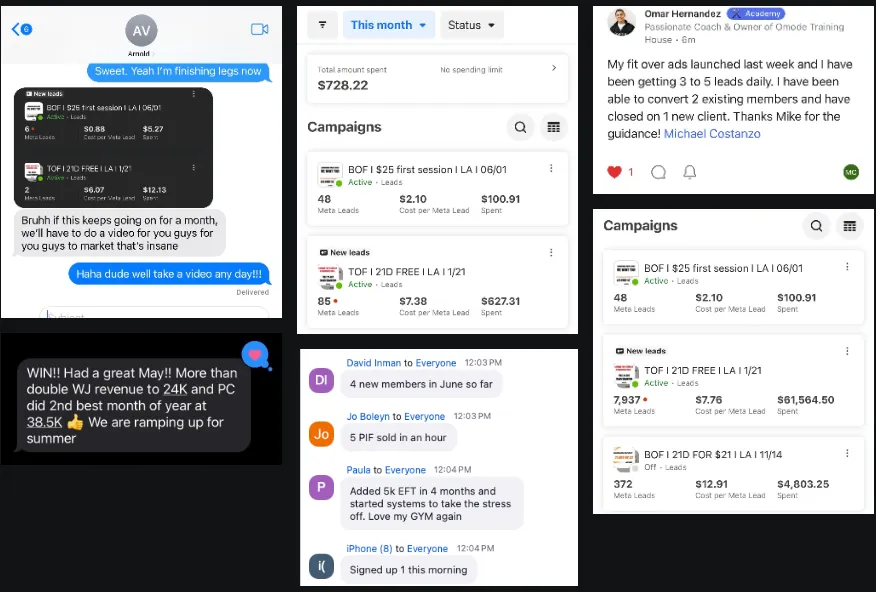
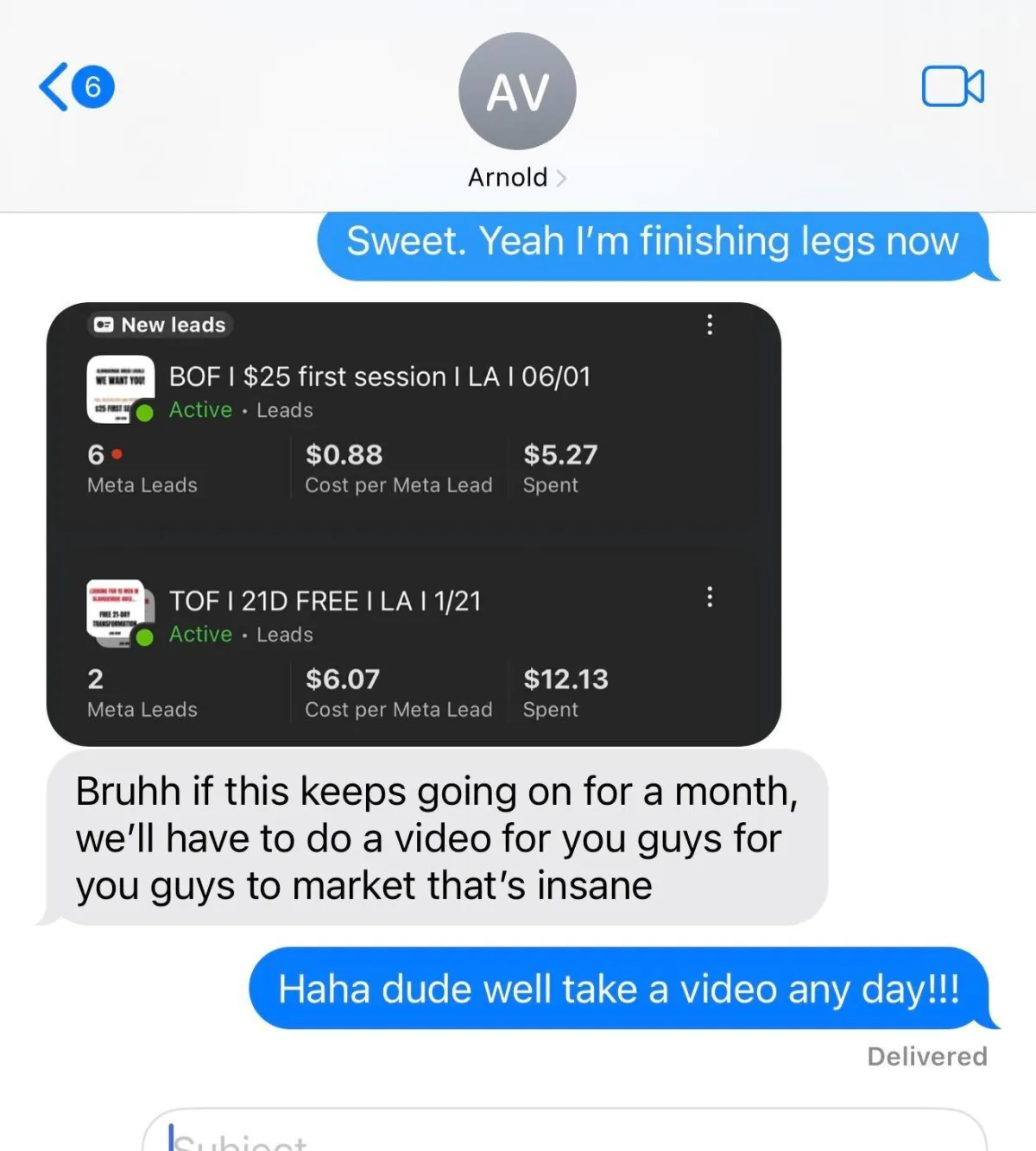
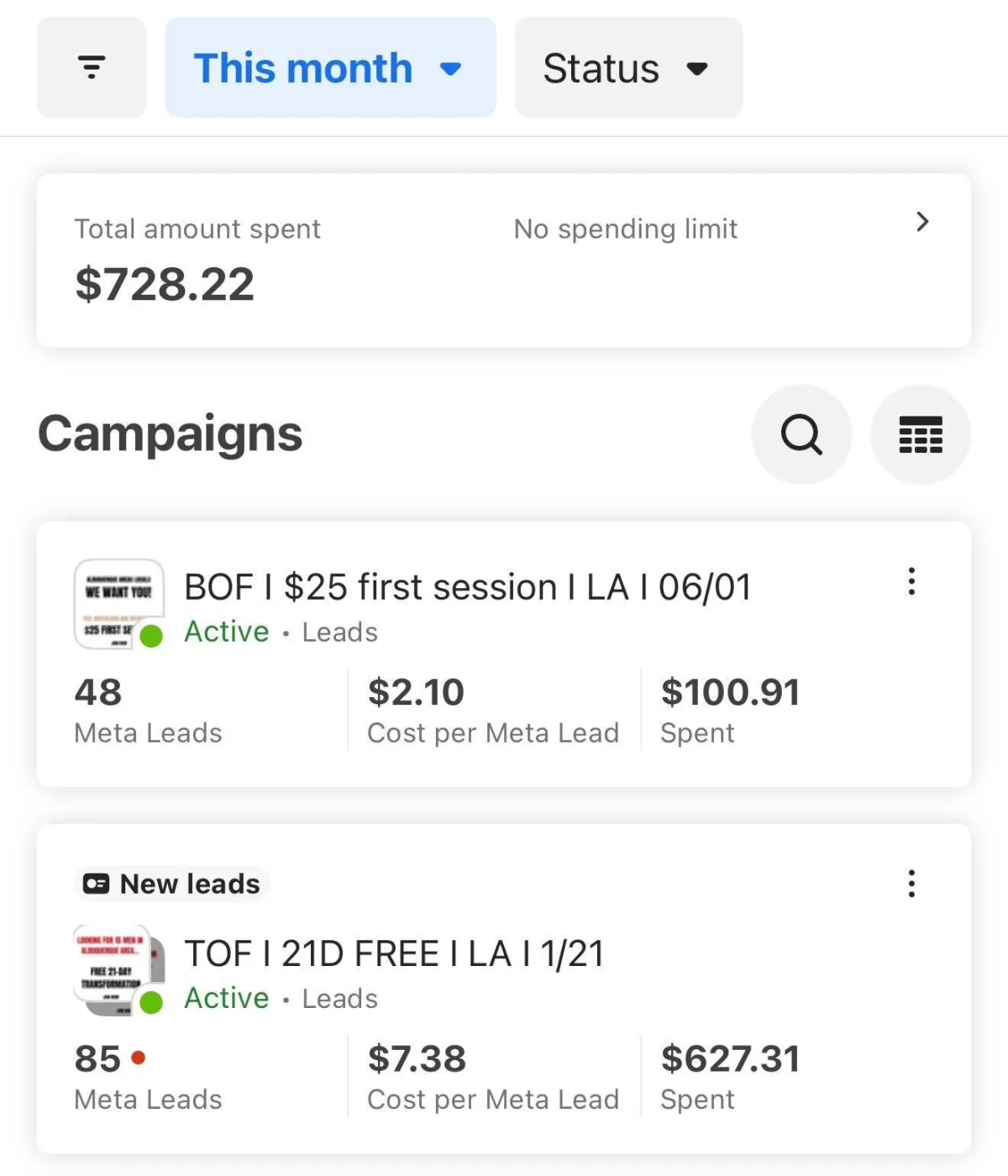
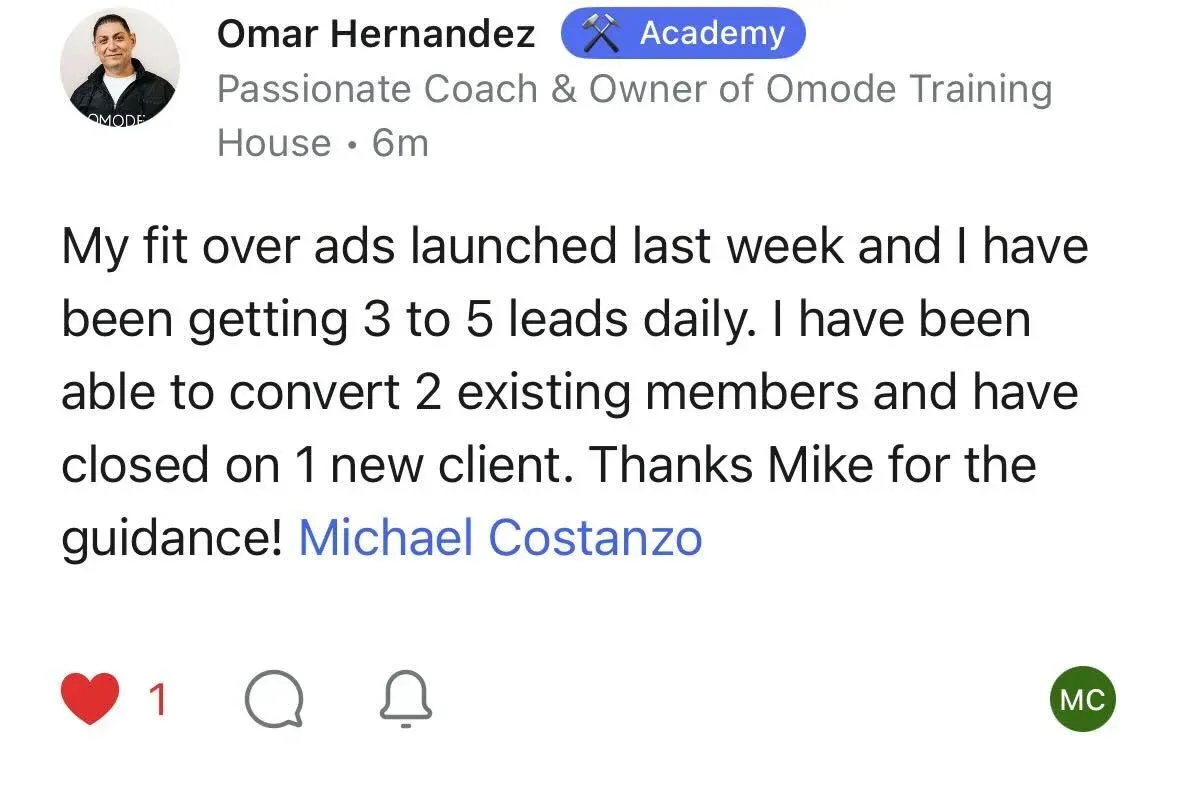
Real results from real gym owners
A new era in gym marketing:
where AI meets client acquisition
Where Less Clients Means More Money
AI is amongst the most disruptive technologies of the last decade. Our proprietary AI marketing and sales system now helps you streamline your business in a way that's never been possible before…
From AI-powered lead nurturing to automated follow-ups, client acquisition & so much more.
500+ Gym Owners & Counting
We're in the business of helping gym owners get the most out of their business while working less.
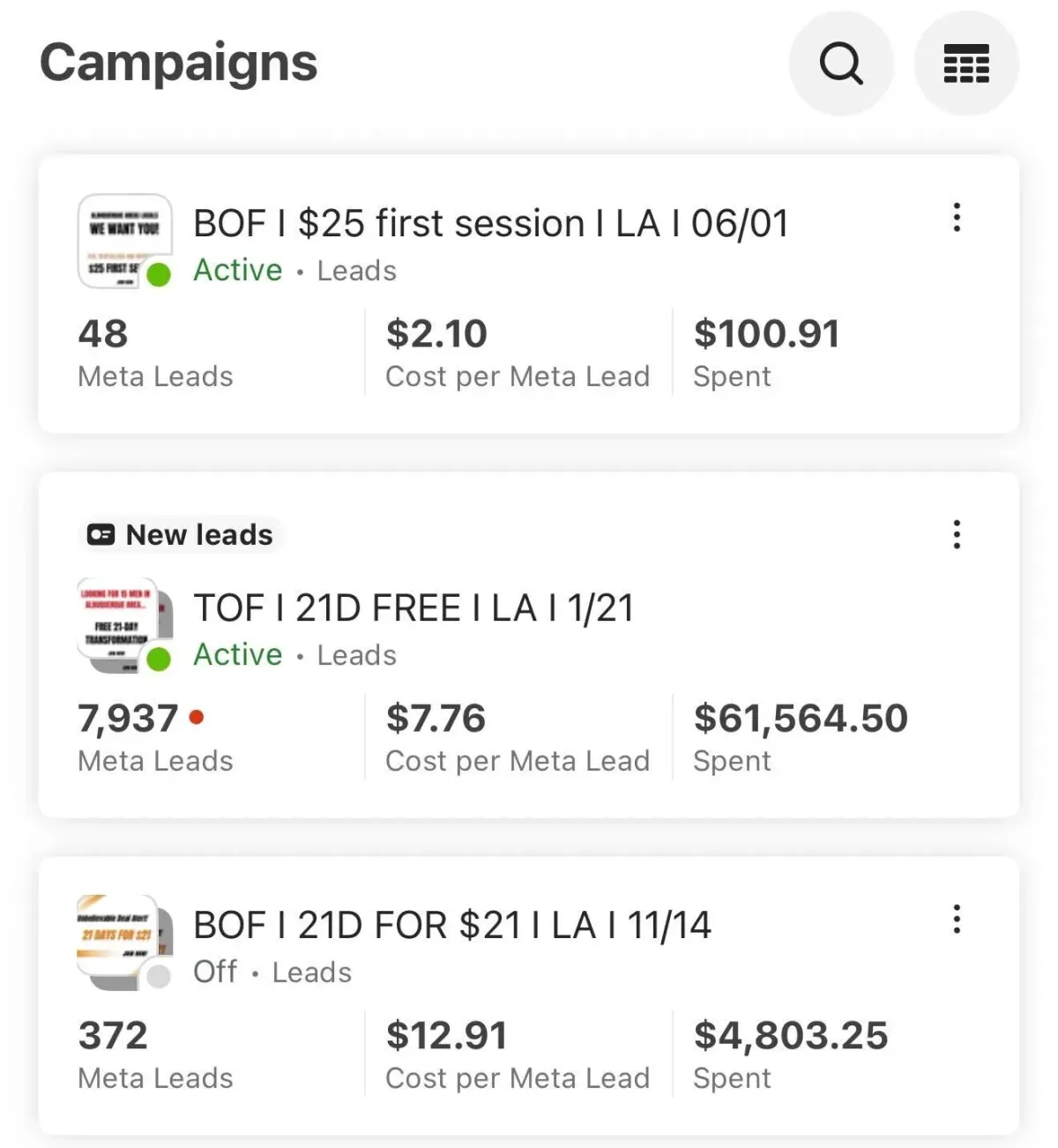

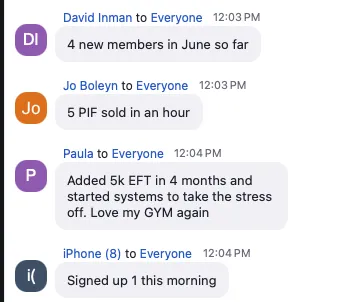
This is a collection of our top reviews from Google.
4.8/5 stars in 100+ reviews

Gym Academy has helped me get a grasp of my business and taught me to operate my personal training and gym in business like an actual business understanding numbers like my ad spend, where my revenue is coming from, where I need to focus my efforts to grow my business, How to assemble a team and manage a team. A lot of stuff I really had no idea about With their help, I’ve taken my gym from 6000 recurring to 21,000 monthly recurring in nine months
I’ve worked in retail, functional medicine, and now as the GM of Temple Fitness since December 2024. I can honestly say working with Gym Academy has completely transformed my approach to leadership and growth. The quality of training and systems they provide is unmatched. Ryan’s sales training compressed years of growth into just months, while Mike helped me bring my onboarding and team-building experience into the gym world. Josh and Bob are down-to-earth, hands-on leaders who empower you to be the best version of yourself and build systems that drive success. I’ve been in the fitness world my whole life but hesitated to make it a career due to industry challenges. Gym Academy has made it possible to thrive—if you’re serious about growing your gym and changing lives, this is where you should invest.
I am thoroughly enjoying the process of growing my gym. The gym academy team is awesome. Everyone that I have worked with has been understanding and caring about the issues with my business while having a solution to solve those problems. I have already made back my investment plus some in a little over 30 days. They teach you how to operate your business properly while increasing income long term. Highly recommend!
They are great if you have a traditional gym. If you are any type of specialty studio there cookie cutter methods do not work well. Be prepared to shell out 10k in your first 30 days. Wouldn’t recommend.
Joining Gym Academy has been a total game-changer for my fitness studio! Six months ago, I was struggling—keeping my doors open was costing me money, and despite trying multiple marketing companies, I wasn’t seeing real growth. What I quickly realized after joining Gym Academy is that running a successful studio is so much more than just good ads. With Bob and the team’s constant guidance (shout out to my CSM, Ryan), I’ve learned how to have effective conversations that actually convert leads into long-term members while keeping attrition low. Mindset is EVERYTHING too. Beyond that, my entire operational structure has been optimized—I’ve eliminated inefficiencies, cut waste, and now run my studio in a way that’s profitable and scalable. The daily Sales and Marketing calls provide invaluable insights, and the community of studio owners supporting each other makes all the difference. If I ever have a challenge, I know I can ask for help, and immediate, actionable advice is always there. I’m no longer alone on an island, trying to figure things out. No more sleepless nights worried if I'm going to make rent or payroll. Joining Gym Academy has been the single most important strategic move I’ve made since opening my doors. If you're a studio owner struggling to grow, don’t wait—this is the place you need to be! 💪🔥 #GameChanger #GymAcademy #StudioSuccess
Gym Academy has been the best experience. As a result I feel in complete control of my business, I have a clear and doable program seriously accelerating the growth of my studio! Ryan Simpson Shares genuine excitement with my wins. It’s been exciting and inspiring and brought new hope and life back into my relationship with my business!
Before joining Gym Academy I was in a desperate spot. I had a great product a beautiful gym and NOT ENOUGH CLIENTS to survive! However, since joining Gym Academy last year my yearly sales DOUBLED. This is a no joke program... no secret sauce, no hidden magic formula, just tried and true sales and marketing training that will get you a reliable stream of clients so you can finally have the gym of your dreams!

"LITERALLY SAVED MY GYM AND MY SANITY"
. Felicia B.
Gym Academy's Blog

How to Increase Gym Retention: The Complete System
How to Increase Gym Retention: The Complete System
Gym retention determines whether you build a sustainable business or stay stuck replacing members who cancel every few months. Most gyms lose 40-50% of members annually, which means half your acquisition effort just replaces churn. The real money in fitness isn't acquiring new members. It's keeping the ones you have. Gyms that increase retention from 50% to 85% annual retention triple their growth rate with the same acquisition budget.
The Pre-Sold Pathway and Belief Shift Sequence used by Gym Academy help gym owners systematically reduce cancellations. These frameworks focus on the critical first 30 days when most cancellation decisions are made, then build long-term engagement through community and consistent value delivery. Here's how to implement retention systems that keep members engaged for years instead of months.
Why Gym Retention Matters More Than Acquisition
Acquiring new members costs money. Keeping existing members is nearly free. Yet most gym owners obsess over getting more clients while ignoring the back door where members constantly leave.
The math makes retention your most important metric:
A gym with 100 members, 50% annual retention, and 10 new members per month grows to 160 members in year one. In year two, growth plateaus around 180-200 members. Half your new members replace cancellations. You're running hard just to stand still.
The same gym with 85% annual retention and 10 new members per month grows to 205 members in year one. By year two, you're at 320 members. Same acquisition rate. Drastically different growth trajectory. The difference is retention.
Why retention compounds:
Members who stay longer refer more people. Someone in month 3 rarely refers friends. Someone in month 18 has referred 2-3 people on average. Your best acquisition channel is members who love your gym enough to tell others about it.
Longer retention increases lifetime value. A member who stays 6 months at $150/month generates $900 in revenue. A member who stays 24 months generates $3,600. That's 4x the revenue from the same acquisition cost.
Better retention reduces acquisition pressure. When you keep 85% of members instead of 50%, you need fewer new members to hit growth targets. This lets you be selective about who joins instead of accepting anyone with a credit card.
Strong retention enables premium pricing. Gyms with high retention can charge more because members clearly see value. Gyms with poor retention can't raise prices because members are already on the edge of canceling. Your pricing power comes from retention, not marketing.
The businesses that scale sustainably prioritize retention over acquisition. They understand that a bucket with holes never fills no matter how much water you pour in.
The Real Reasons Gym Members Cancel (It's Not What You Think)
Ask most gym owners why members cancel and they'll say: too expensive, too busy, or moved away. These are the excuses members give. They're rarely the real reasons.
The actual reason members cancel is simpler: they stopped seeing value.
Month 1: Everything is new and exciting. They're motivated. They feel good about the decision to join. They show up regularly.
Month 2-3: Novelty wears off. Results aren't as fast as they hoped. Motivation dips. They start missing workouts.
Month 4-6: They're barely coming. They feel guilty about wasting money. They're not seeing results because they're not consistent. The voice in their head says "this isn't working."
Month 7-9: They're mentally checked out. Looking for a reason to cancel. Any friction becomes the final straw. Then they cancel and blame price, time, or inconvenience.
The cancellation happens in month 9, but the decision was made in month 3 when they stopped seeing value.
What erodes perceived value:
Lack of results in the first 30 days. Members need quick wins. If they don't see or feel progress in the first month, they question whether the investment is worth it. No early results means low retention.
No relationship with coaches or members. People don't quit gyms they have friends at. When members feel anonymous, they leave easily. When they have community connections, they stay through rough patches.
Unclear expectations about what success requires. Members join thinking results come from showing up. When results require nutrition changes, sleep improvement, and consistency, they feel deceived. Setting proper expectations prevents this disappointment.
Boredom with programming. The same workouts for months kill engagement. Members need variety and progression to stay interested. Static programming leads to mental burnout even if physical progress continues.
Life changes that make attendance harder. New job, new baby, injury, or schedule change. These are real obstacles. But members who see high value find ways to work around them. Members who see low value use them as exit excuses.
The retention window:
Most cancellation decisions happen in the first 90 days. Members who make it past day 90 typically stay 12+ months. Your retention strategy needs to focus intensely on days 1-30, then maintain engagement through months 2-12.
The Pre-Sold Pathway: Setting Retention Up From Day One
Retention doesn't start after someone joins. It starts during the sales conversation. The Pre-Sold Pathway is a systematic approach to setting expectations, building commitment, and creating early wins that prevent buyer's remorse and early cancellations.
What is the Pre-Sold Pathway?
The Pre-Sold Pathway is the complete journey from first contact through the first 60 days of membership. It includes how you sell, what you promise, how you onboard, and how you deliver early results. Each step is designed to increase commitment and demonstrate value quickly.
Most gyms sell memberships by downplaying the work required. "Just show up 3x per week and you'll see results." This creates false expectations that lead to disappointment when results require more effort than promised.
The Pre-Sold Pathway does the opposite. It honestly explains what success requires, filters out poor-fit prospects, and sets committed members up for early wins.
Step 1: Honest expectation setting during sales
When a prospect asks about results, tell the truth. "You'll lose 15-20 pounds in 12 weeks if you train 4x per week and follow our nutrition guidelines. If you train 2x per week and ignore nutrition, you'll see minimal results and waste your money."
This honesty does two things: it filters out people who won't do the work, and it creates buy-in from people who understand the requirements. The members who join after hearing honest expectations stay longer because reality matches their expectations.
Step 2: Structured onboarding process
Day 1 should include a comprehensive onboarding session, not just equipment orientation. This session covers:
Goal setting with specific, measurable targets
Schedule planning to lock in training days
Nutrition basics and starting point assessment
Introduction to coaching staff
Facility tour and equipment familiarization
First workout to build confidence
This structured start creates momentum and clarity. Members leave day 1 knowing exactly what to do and when to do it.
Step 3: Scheduled check-in at day 7
Most cancellations after the first week happen because members felt lost or overwhelmed. A scheduled 10-minute check-in at day 7 catches problems early.
Questions to ask:
How did your first week feel?
What's been working well?
What's been challenging?
Do you have questions about anything?
Are you clear on your schedule for next week?
This touchpoint shows you care about their success and catches small issues before they become cancellation reasons.
Step 4: Progress assessment at day 30
Members need to see progress to stay motivated. At day 30, conduct a formal assessment:
Body composition remeasurement
Strength testing compared to baseline
Progress photos side-by-side
Discussion of non-scale victories (better sleep, more energy, clothes fitting differently)
Even if scale weight hasn't changed much, most members have measurable improvements in 30 days. Highlighting these wins reinforces the value of their investment.
Step 5: Program adjustment at day 45-60
Once members complete their first month, adjust their program to keep things fresh. New exercises, different workout structure, or progression to harder variations. This prevents boredom and shows you're actively coaching their progress, not just running them through generic workouts.
The Pre-Sold Pathway creates a structured experience that prevents the most common early cancellation triggers: unclear expectations, no early results, and feeling lost or ignored.
Building a Client Journey That Keeps Members
The client journey is every interaction a member has with your gym from signup through years of membership. Most gyms have no intentional journey. Members sign up, show up when they feel like it, and eventually stop coming. Creating a structured journey dramatically improves retention.
Month 1: Foundation building
Focus: Learning, early wins, habit formation
The first month is about building the habit of showing up and seeing early progress. Programming should be accessible, coaching should be attentive, and progress tracking should be frequent.
Key activities:
Structured onboarding (day 1)
First-week check-in (day 7)
Mid-month encouragement (day 14-16)
30-day progress assessment
Members should feel supported, see measurable progress, and establish the routine of training consistently.
Months 2-3: Confidence growth
Focus: Building competence, increasing challenge, forming connections
Once the initial habit is established, members need to see their abilities improve. Increase workout complexity. Introduce new skills. Help them achieve small victories that build confidence.
Key activities:
Monthly progress checks
Introduction to community events or challenges
Encourage trying new class types or training styles
Recognition of progress milestones
Members should feel increasingly capable and connected to the community.
Months 4-6: Identity shift
Focus: Becoming "someone who works out" rather than "trying to get in shape"
This is when transformation happens psychologically. Members stop seeing themselves as beginners. They identify as regular gym-goers. This identity shift is the foundation of long-term retention.
Key activities:
Quarterly comprehensive assessment
Goal refinement based on progress
Increased independence in training
Integration into gym community (knowing names, having gym friends)
Members should start thinking of the gym as part of their lifestyle, not something they're "trying out."
Months 7-12: Habit solidification
Focus: Maintaining engagement through variety, community, and continued progress
The biggest retention risk in months 7-12 is boredom or plateau. Combat this with programming variety, new challenges, and community engagement opportunities.
Key activities:
Introduce new training modalities or skills
Encourage participation in gym competitions or events
Offer specialty programs or workshops
Celebrate membership milestones (6 months, 9 months, 1 year)
Members should feel consistently challenged and valued as long-term community members.
Year 2+: Advocacy and deepening
Focus: Creating advocates who refer others and explore deeper engagement
Long-term members become your best acquisition channel through referrals. They're also candidates for higher-level offerings like nutrition coaching, specialty programs, or leadership roles.
Key activities:
Systematic referral requests
Advanced training options or specializations
Opportunities to mentor newer members
Recognition as veteran members
Members should feel like valued community leaders, not just customers.
Understanding how retention connects to your overall business strategy is important. Our guide on gym pricing strategy explains how retention enables premium pricing and higher lifetime value.
The First 30 Days: Your Retention Window
The first 30 days determine whether members stay 6 months or 3 years. Members who see results and feel supported in their first month have 80-90% likelihood of staying 12+ months. Members who struggle in the first month have 60-70% likelihood of canceling within 90 days.
Day 1: Comprehensive onboarding
Don't just show equipment locations. Create a complete experience:
Goal discussion and documentation
Fitness assessment and baseline measurements
Nutrition starting point conversation
Training schedule planning
First workout with coach guidance
Introduction to other members
This takes 60-90 minutes but sets the foundation for long-term success. Members who complete structured onboarding stay 40% longer than members who get basic orientation.
Days 2-7: Frequent touchpoints
The first week is scary for new members. They don't know anyone, feel intimidated by equipment, and worry about looking foolish. Extra support during this week dramatically improves retention.
Touchpoint schedule:
Day 2: Text checking on how first workout felt
Day 4: Email with workout tips relevant to their goals
Day 7: Scheduled check-in call or in-person conversation
These touchpoints show you care and catch problems when they're small.
Days 8-21: Habit formation
The goal for weeks 2-3 is establishing the routine of showing up. Every attended workout reinforces the habit. Missed workouts make quitting easier.
Strategies to reinforce attendance:
Recognition when you see them at the gym
Friendly accountability if they miss scheduled days
Partner them with veteran members during classes
Send progress encouragement messages
Make showing up feel expected and rewarded.
Days 22-30: First wins celebration
At day 30, schedule a progress assessment. This doesn't need to be extensive, but it needs to show measurable improvement:
Before/after photos
Body composition changes
Strength increases
Performance improvements (faster mile, more pushups, longer plank hold)
Most members have measurable progress in 30 days. Highlighting these wins reinforces the value of membership and motivates continued effort.
What to do if a member struggles in first 30 days:
Some members will struggle despite your support. They miss workouts, don't follow nutrition guidance, or seem disengaged. Address this directly:
"I noticed you've missed a few planned workouts this week. What's getting in the way? How can we adjust your plan to make it more realistic?"
This conversation often reveals obstacles you can solve (schedule conflicts, intimidation, unclear programming) or clarifies that the member isn't ready to commit. Either way, addressing struggles early prevents silent cancellations.
Community-Building Strategies That Work
People don't quit gyms where they have friends. Community is the most powerful retention tool available, yet most gyms fail to intentionally build it.
What community is not:
Community is not hoping members become friends naturally. It's not posting "good vibes only" on Instagram. It's not occasional social events that 10% of members attend.
Real community means members know each other's names, celebrate each other's wins, and feel like they belong to something bigger than individual workouts.
Strategy 1: Intentional introductions
Don't let new members float around anonymously. Make introductions happen:
Pair new members with veterans for their first 2-3 classes
Introduce members to others with similar goals or backgrounds
Create small training groups (4-6 people) who train together consistently
Use name tags for the first month if needed
The faster a new member makes one friend at the gym, the better their retention.
Strategy 2: Shared challenges
Create experiences that require collective participation:
30-day workout attendance challenges
Team competitions where members support each other
Charity events that raise money as a gym community
Skill-building workshops where members learn together
Shared experiences create bonds faster than individual workouts ever will.
Strategy 3: Recognition systems
Celebrate member achievements publicly:
Member of the month based on progress, not just performance
PR board showing strength gains and personal records
Milestone celebrations for 6 months, 1 year, 2 years of membership
Social media features of member transformations (with permission)
Recognition makes members feel valued and creates aspirational examples for newer members.
Strategy 4: Communication platforms
Create spaces for members to connect outside scheduled workouts:
Private Facebook group or Slack channel
Member app with social features
Regular email newsletter featuring member stories
Text message groups for specific programs or classes
These platforms extend community beyond physical presence at the gym.
Strategy 5: Small group accountability
Break your membership into small accountability pods (5-8 people) who check in on each other. These pods can communicate through group texts, share progress updates, and encourage attendance.
Members in accountability pods have 30-40% higher retention than members without structured peer support.
What kills community:
Cliques that exclude newcomers. When veteran members only interact with each other, new members feel like outsiders. Coach and encourage inclusive behavior.
Negative attitudes that bring others down. One consistently negative member can poison culture. Address negative behavior directly or remove the member.
Lack of staff engagement in community building. If coaches don't know member names or celebrate achievements, members won't feel connected. Community building is a coaching responsibility, not something that happens automatically.
Using Data to Predict and Prevent Cancellations
Most gyms only know about cancellations when members submit cancellation requests. By then, it's too late. The decision was made weeks earlier. Smart gyms track leading indicators that predict cancellations before they happen, allowing intervention while retention is still possible.
Leading indicators of cancellation risk:
Attendance decline. A member who trains 4x per week dropping to 1-2x per week is at high cancellation risk. This pattern predicts 70% of cancellations.
No attendance for 2+ weeks. Members who go 14+ days without visiting are unlikely to return without intervention. After 21 days of no-shows, cancellation probability exceeds 80%.
Missed scheduled sessions without rescheduling. Members who consistently skip scheduled training times are losing commitment. Three consecutive missed sessions without communication indicates high risk.
No social connections. Members who train alone without talking to staff or other members cancel at 2x the rate of members with visible friendships.
Complaint patterns. Members who complain about pricing, facility issues, or policies are often looking for justification to cancel. One complaint is normal. Multiple complaints signal disengagement.
No progress in recent assessments. Members who aren't seeing results lose motivation quickly. Stalled progress predicts cancellation within 60-90 days.
How to track these indicators:
Use gym management software that tracks attendance patterns. Set up alerts for:
Members who attend 50% less frequently than their average
Members with zero check-ins for 10+ days
Members whose last visit was 14+ days ago
Review this data weekly and create an outreach list.
Intervention strategies:
For attendance decline: "Hey [Name], I noticed you've missed a few scheduled workouts lately. Everything okay? Want to chat about adjusting your program?"
For no-shows: "We haven't seen you in two weeks and wanted to check in. What's going on? How can we help get you back on track?"
For members with no social connections: Intentionally introduce them to other members with similar interests. Pair them with a veteran member for their next few visits.
For stalled progress: Schedule a program review. Adjust training or nutrition approach. Set new short-term goals. Show you're actively working to help them succeed.
The 14-day win-back campaign:
When a member hasn't attended in 14+ days, trigger an automated re-engagement sequence:
Day 14: Personal text from their coach asking if everything is okay
Day 17: Email highlighting what they've achieved so far and inviting them back
Day 21: Phone call offering to reschedule or adjust their program
Day 28: Final outreach offering a "fresh start" with new goal-setting session
This systematic approach recovers 30-40% of at-risk members who would have otherwise canceled silently.
The Belief Shift Sequence for Long-Term Retention
Long-term retention requires members to shift from external motivation (wanting to look better, pressure from spouse, doctor's orders) to internal motivation (enjoying training, valuing how they feel, identifying as someone who works out).
The Belief Shift Sequence is a systematic approach to creating this identity transformation over the first 6-12 months of membership.
Phase 1: Outcome belief (Months 1-2)
New members believe the program works because you told them it works. They haven't experienced results yet. Their belief is fragile and based on hope.
Your job: Deliver quick wins that prove the program works. Small victories in the first 30 days (sleeping better, feeling stronger, losing 5 pounds, setting a personal record) transform hope into evidence-based belief.
Phase 2: Self-efficacy belief (Months 3-4)
After initial results, members need to believe they personally can succeed. Some members attribute early wins to luck or newbie gains. They doubt they can maintain progress.
Your job: Help them see their role in results achieved. "You showed up 4x per week every week. That's why you lost 15 pounds. Your consistency created these results." Connect outcomes to their actions.
Phase 3: Identity belief (Months 5-8)
This is the critical shift. Members stop seeing themselves as "someone trying to get in shape" and start seeing themselves as "someone who works out." This identity change makes behavior automatic rather than forced.
Your job: Reinforce the identity through language and recognition. "You're one of our most consistent members." "You've become a real athlete." "I can see how much this has become part of your life." These statements solidify the identity shift.
Phase 4: Value alignment (Months 9-12)
Long-term members internalize fitness as a personal value, not just a goal to achieve. They work out because it aligns with who they are, not because they're chasing specific outcomes.
Your job: Help members articulate why fitness matters beyond physical results. "How has training changed other areas of your life?" "What would you lose if you stopped coming?" These conversations deepen the value connection.
How to accelerate the Belief Shift Sequence:
Use transformation language progressively. Early: "Look at your progress!" Middle: "Look at what you've accomplished through consistency." Later: "This is who you are now."
Create identity-reinforcing experiences. Member t-shirts, milestone celebrations, and leadership opportunities help members see themselves as part of the gym community identity.
Share stories of long-term member transformations. Hearing how others went through the same journey normalizes the identity shift and makes it aspirational.
Recognize the shift when you see it. When a member comes to the gym sick because "missing would feel wrong," that's identity-level motivation. Name it: "This is what commitment looks like. You've become someone who prioritizes training."
The Belief Shift Sequence transforms members from customers into committed community members who wouldn't consider canceling.
Frequently Asked Questions
What is a good gym retention rate?
A good gym retention rate is 70-80% annual retention, meaning 70-80% of members who start the year are still members at year-end. Average gyms retain 50-60% annually. Exceptional gyms achieve 85-90% retention. Monthly retention should be 92-95% (losing only 5-8% of members per month). If your annual retention is below 60%, you have a serious retention problem that's preventing sustainable growth.
When do most gym members cancel?
Most gym members cancel within the first 90 days of membership, with the highest cancellation risk occurring between days 30-60. The first 30 days sees 15-20% attrition as poor-fit members realize they're not committed. Days 31-90 see another 20-30% attrition from members who didn't see results or build habits. Members who survive past day 90 typically stay 12+ months, making the first three months your critical retention window.
How can I reduce gym member cancellations?
Reduce gym member cancellations by focusing on the first 30 days with structured onboarding, frequent check-ins, and early progress wins. Implement the Pre-Sold Pathway to set proper expectations during sales. Build community through intentional introductions and small group accountability. Track attendance data to identify at-risk members before they cancel. Address declining attendance immediately with personal outreach and program adjustments.
What is the Pre-Sold Pathway?
The Pre-Sold Pathway is a systematic onboarding and early membership framework that prevents cancellations by setting honest expectations during sales, delivering structured onboarding on day one, scheduling check-ins at days 7 and 30, and creating early wins that demonstrate value. This approach reduces first-90-day cancellations by 40-50% compared to standard "sign up and figure it out" onboarding.
How important is community for gym retention?
Community is one of the most powerful retention factors. Members with at least two gym friendships have 60-70% higher retention than members who train alone. People rarely cancel memberships at gyms where they have social connections, celebrate achievements together, and feel part of something larger. Intentional community building through partner workouts, accountability groups, and recognition systems dramatically improves long-term retention.
What is the Belief Shift Sequence?
The Belief Shift Sequence is a four-phase framework for transforming members from externally motivated (trying to lose weight) to internally motivated (identifying as someone who trains). The phases are: outcome belief (program works), self-efficacy belief (I can succeed), identity belief (I am someone who works out), and value alignment (fitness reflects my core values). This progression turns short-term members into long-term committed participants.
Should I offer discounts to prevent cancellations?
Offering discounts to prevent cancellations is usually counterproductive. Members canceling due to price are often using price as an excuse for deeper dissatisfaction (no results, no community, boredom). Discounts don't fix these real problems and train members to threaten cancellation to get lower rates. Instead, address the actual reasons for dissatisfaction. If a member genuinely has temporary financial hardship, consider a short-term rate hold or pause rather than permanent discount.
Ready to increase gym retention and build a membership base that stays for years? Gym Academy helps gym owners implement the Pre-Sold Pathway and Belief Shift Sequence to achieve 85%+ retention rates through systematic member engagement.

Frequently Asked Questions
Who is your gym consulting program for?
Our gym consulting is specifically for gym owners across the US who have a solid service but are stuck in the operational grind. We help transition owner-operators into CEOs ready for scalable gym business growth.
How quickly will I see a gym profit increase?
You will see immediate organizational improvements. Most clients experience a measurable gym profit increase within the first 90 days by implementing our sales conversion and pricing strategies.
Is this focused on a specific gym type (CrossFit, F45, etc.)?
No. Our gym owner coaching systems are format-agnostic. We focus on universal business principles (marketing, sales, operations) that drive success, whether you run a HIIT studio, a strength facility, or a yoga studio.
What is the first step to starting your gym consulting program?
The first step is to book a Free Growth Strategy Session so we can diagnose your current bottlenecks (Acquisition, Retention, or Systems) and provide an actionable plan for gym business growth.
What is the biggest difference between Gym Academy and other consultants?
The difference is hands-on implementation and proprietary technology. Most consultants provide information and then disappear. We actively build and install your lead-generation and automation systems while providing the gym owner coaching to manage your profitable business. We provide results, not just homework.
Can your system help me scale to multiple locations?
Absolutely. Our system is built on the blueprint for gym business growth and multi-location scalability.
Do you help with pricing and profitability strategy?
Yes. A core focus of our gym consulting is helping you achieve a guaranteed gym profit increase. We analyze your current pricing and structure your offers to maximize client lifetime value and profitability


